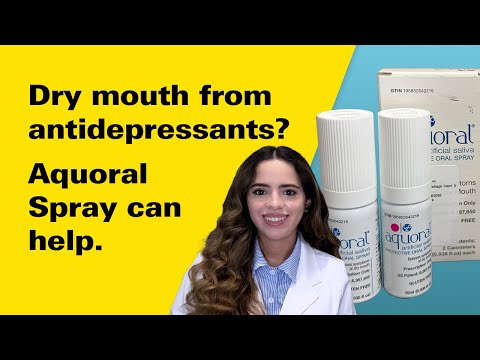
So, you’re on Prozac, huh? That’s cool, but wait… are you also dealing with a dry mouth? Ugh, the classic “cottonmouth” struggle.
It’s like, when your mouth feels like the Sahara Desert. Seriously annoying, right? You might think it’s just a little side effect. But trust me, it can mess with your day in ways you don’t expect.
Let’s chat about this. We’ll dig into why it happens and what you can do about it. Because who wants to feel like they’re constantly gulping water just to stay wet? Not you!
Effective Strategies for Managing Dry Mouth Caused by Prozac: Tips and Remedies
Managing dry mouth, especially when you’re on something like Prozac, can be super annoying. It’s actually a pretty common side effect. So, if you’re dealing with that scratchy feeling in your mouth, I’ve got some effective strategies for you.
First off, let’s talk about what’s going on. **Prozac**, or fluoxetine, works as an antidepressant by increasing serotonin levels in the brain. But one of those pesky side effects can be **dry mouth**, which might make it tough to get through your day comfortably.
Here are some practical tips and remedies that can help alleviate the discomfort:
- Stay Hydrated: This one seems obvious, but seriously—drink water regularly. Keeping a water bottle handy is a game-changer.
- Mouth Moisturizers: There are over-the-counter products specifically designed to help with dry mouth. Look for saliva substitutes or mouth sprays.
- Chew Gum: Sugar-free gum or candies can stimulate saliva production. Plus, they taste good! So pop one in when your mouth feels dry.
- Avoid Certain Foods: Try to steer clear of super salty or spicy foods; they can make dry mouth feel worse. And alcohol? Yeah, that’s a no-go too!
- Breath Mints: Keep breath mints handy for freshening up your mouth and stimulating saliva production at the same time.
- Humidifier: If you notice dryness at night while you sleep, consider using a humidifier in your bedroom to keep the air moist.
You know how sometimes just sitting there feeling all parched makes everything seem worse? Well, I remember chatting with a friend who struggled with this same issue while on Prozac. She felt uncomfortable at social gatherings because she was constantly worrying about her dry throat. But once she started carrying around a little water bottle and chewing gum during those events? Total game changer! She felt way more relaxed.
In addition to these strategies, it might be worth having an open conversation with your doctor about your symptoms. Sometimes they can adjust your medication or suggest alternatives that might not have this side effect.
So there you have it! Dealing with dry mouth can be irritating, but by trying some of these tips, hopefully you’ll find some relief and get back to enjoying life without feeling like you’re stuck in the Sahara desert!
Understanding Dry Mouth from SSRIs: Does It Go Away Over Time?
When you’re on SSRIs like Prozac, one of those pesky side effects can be dry mouth. You know, that annoying feeling when your mouth feels all sandy and uncomfortable? It can be a real bummer, especially when you’re trying to focus on feeling better overall. So, what’s the deal with this side effect? And does it ever go away?
First off, SSRIs or selective serotonin reuptake inhibitors are commonly prescribed for depression and anxiety. They work by increasing serotonin levels in the brain, which can help elevate your mood. However, they can also mess with other systems in your body, including your salivary glands.
Now let’s talk about dry mouth specifically. This condition is often referred to as xerostomia, and it happens because SSRIs can reduce the production of saliva. Without enough saliva, you might experience that uncomfortable dryness that makes everything from eating to talking a lot less enjoyable.
You might be wondering if this dry mouth thing is just a temporary nuisance or if it sticks around long-term. Well, the answer is kind of mixed! For some people, dry mouth could improve after being on the medication for a while. Your body sometimes gets used to the drug and adjusts over time. But for others? Unfortunately, it may persist throughout treatment.
Here are a few things you might want to consider:
- Hydration is key: Drink plenty of water throughout the day. Staying hydrated helps mitigate some of that dryness.
- Mouth rinses: Over-the-counter saliva substitutes or mouth rinses designed for dry mouth can offer quick relief.
- Candy or gum: Chewing sugar-free gum or sucking on hard candy can stimulate saliva production.
- Talk to your doctor: If it’s really bothering you, don’t hesitate to discuss it with your healthcare provider. They might adjust your dose or suggest different medications.
So here’s an example: Imagine you’re out with friends at a restaurant. You’re excited about catching up but then realize every time you open your mouth to speak, it feels like you’re chewing on cotton balls! It can feel pretty awkward—and it distracts from enjoying yourself.
The thing is, while dealing with this annoying side effect isn’t fun at all, many people find ways to cope as they get used to their meds.
In summary: Dry mouth from SSRIs like Prozac can improve over time, but not always. Staying hydrated and finding effective solutions helps manage symptoms while working through treatment. Just keep communicating with your doctor about how you’re feeling; they’ll have your back!
Understanding Emotional Blunting from Antidepressants: Does It Fade Away?
So, let’s get into this thing called **emotional blunting** that can sometimes happen when you’re on antidepressants, like Prozac. It’s a pretty common topic in discussions about mental health meds. Some people find themselves feeling less emotional overall—like they’re watching life through a foggy window.
What is emotional blunting? It’s when you feel dulled emotions or a lack of emotional responsiveness. You might not experience joy, sadness, or anger as deeply as before. So, instead of feeling elated about good news or crushed by bad news, it just feels… meh. You know?
Why does this happen? Well, the way antidepressants work is by adjusting levels of certain chemicals in your brain—primarily serotonin. While that can help lift your mood and reduce anxiety, it can also tone down the emotional responses that make life feel rich and full. It’s a bit like turning down the volume on your favorite song; you still hear it, but it’s not quite the same.
This can be frustrating! Imagine getting news about a promotion at work and just feeling… nothing much at all. You might start to worry if this emotional flatness is here to stay.
Does it fade away? For many folks, yes! Emotional blunting often reduces over time as your body gets used to the medication. But it doesn’t happen for everyone, and sometimes you may need to talk with your doctor about it. Here are some things to consider:
- Time: Give it some period—adjusting might take weeks or even months.
- Dose: Sometimes playing with the dosage (with your doctor’s guidance) can help.
- Med Change: If it’s really bothersome and persistent, switching medications could be an option.
- Add-ons: Some people find relief by adding therapy to their routine along with medication.
And hey, let’s not forget about something that goes hand-in-hand here: dry mouth! Another fun side effect from meds like Prozac. Having cottonmouth all day isn’t pleasant at all and can even make eating hard. Staying hydrated helps a lot—seriously, drink more water!
Some people also find chewing gum or sucking on hard candies helpful for getting past that dry mouth feeling.
Remember: if you’re facing these issues—whether it’s emotional blunting or something else—your experience matters! Check in with your healthcare provider and share what you’re going through. It’s always worth having those conversations because there are options out there to help make things better for you.
In short? Emotional blunting from antidepressants can fade over time for many people but don’t hesitate to reach out for support if it’s bothering you too much. And oh! Stay hydrated so dry mouth doesn’t rain on your parade while you’re managing everything else!
You know, dealing with dry mouth can be a real pain, especially when you’re on medications like Prozac. I mean, think about it: you finally take that step toward mental health, feeling hopeful about getting your life back on track. But then, bam! You’re walking around like a desert. Seriously? No one needs to feel like they’re constantly gasping for water.
I remember a friend of mine who started taking Prozac to help with her anxiety. She was feeling good about the decision at first. But soon after starting the meds, she couldn’t shake the feeling that she had swallowed cotton balls instead of her morning coffee. It was annoying and just plain weird! She’d be chugging water all day long and still feeling parched, which totally put a damper on her newfound optimism.
So what’s happening here? Dry mouth, or xerostomia if we want to get fancy, is actually a pretty common side effect with antidepressants like Prozac. Basically, these medications can mess with your saliva production. Your mouth feels all sticky and uncomfortable because your body is just not keeping things lubricated down there.
But hey, there are ways to manage it! For my friend, she found that sipping water frequently helped a lot—like carrying around a cute little water bottle became her new accessory. Also, sugar-free gum or mints became her best friends; they really can stimulate saliva production and make you feel less like you’ve been wandering the Sahara.
Also worth mentioning: talking to your doctor about this stuff is super important. Sometimes they can switch up your medication or adjust the dosage if it’s really bothering you. It’s all about finding what works for you, right?
So yeah, while dry mouth can be annoying and make you feel kind of miserable at times during treatment, managing it doesn’t have to be rocket science. Just remember that you’re not alone in this; tons of people face similar challenges while navigating their mental health journeys!