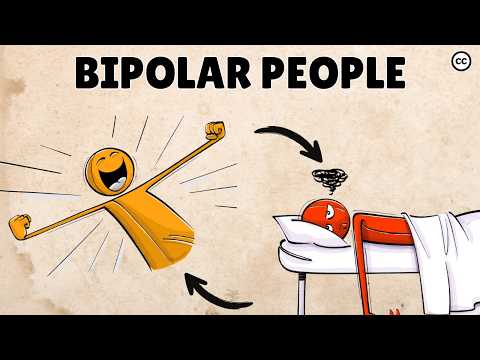
So, you know how life can sometimes feel like a rollercoaster? Up one minute, down the next. That’s kind of what it’s like for people dealing with bipolar disorder.
Now, mixing medications into that mix can get pretty complicated. Ever heard of Prozac? It’s one of those go-to antidepressants. But when you’re living with bipolar, things can get tricky really fast.
Let’s chat about this whole thing from a psychological angle. Why do some folks with bipolar disorder take Prozac and others don’t? What’s the deal with that? Buckle up; we’re diving into some real talk about moods and meds!
The Effects of Prozac on Individuals with Bipolar Disorder: What You Need to Know
Prozac, or fluoxetine, is an antidepressant that falls into the category of selective serotonin reuptake inhibitors (SSRIs). For those dealing with bipolar disorder, the effects of Prozac can be a bit complicated. You see, bipolar disorder involves extreme mood swings, including depressive and manic episodes. And that’s where things get tricky.
When someone with bipolar disorder takes Prozac, it can sometimes trigger a manic episode. This happens because enhancing serotonin levels might make them feel great at first but can push them over the edge into mania. You don’t want that, right? It’s basically like flipping the mood switch from low to high way too fast.
Now, let’s break it down with some key points:
- Risk of Mania: If you’re a person with bipolar disorder and you start taking Prozac without proper mood stabilization, you could experience heightened energy levels or irritability.
- Mixed Episodes: Some individuals might end up having mixed episodes—feeling depressed yet hyper at the same time. That’s not exactly fun.
- Stabilization First: Doctors often recommend stabilizing mood first with mood stabilizers like lithium or lamotrigine before considering SSRIs like Prozac.
- Supervision is Key: Close monitoring by a healthcare professional is vital when starting any new medication for bipolar disorder. This keeps things balanced.
Let’s imagine Lisa for a moment. She has struggled with depression and was finally diagnosed with bipolar disorder after her friends noticed those wild swings in her moods. Lisa’s doctor suggested starting on Prozac to help her depressive symptoms – but they ensured she first got stabilized on lithium.
Initially, Lisa felt better; her energy returned, and she was more motivated than ever. But then came the racing thoughts and impulsive decisions that made her feel out of control. It was a wake-up call! Her doctor quickly adjusted her meds to prioritize stability over antidepressants.
In short, while Prozac can be helpful for many individuals battling depression, its effects on someone with bipolar disorder need careful consideration. Always consult your healthcare provider; communication really helps in finding what works best for you without risking range of moods spiraling out of control!
Understanding the Psychological Perspective of Bipolar Disorder: Insights and Implications
Bipolar disorder is a complicated mental health condition that can turn someone’s emotional world upside down. It’s not just about mood swings; it’s about experiencing extreme highs (manic episodes) and lows (depressive episodes). You feel me? Understanding this disorder from a psychological perspective can really help make sense of what’s going on in your brain.
When someone has bipolar disorder, their mood can shift dramatically. One moment, they might be on top of the world, filled with energy and ideas, feeling invincible. And the next, they could be battling deep sadness and hopelessness. This fluctuation isn’t just annoying; it can seriously impact relationships, work, and daily life.
Mania is the high point of bipolar disorder. During manic episodes, people often feel overly confident or irritable. They might spend money recklessly or take risks without thinking them through. Imagine planning a huge party but then spending all your savings on it without realizing why it matters so much. It’s like riding an emotional rollercoaster with no safety harness.
On the flip side is depression. This phase can leave someone feeling empty and disconnected from everything around them, even the things they once loved. Think about how heavy a cloud feels when it’s full of rain—that’s kinda what depression feels like emotionally.
Now, when talking about medications like Prozac in relation to bipolar disorder, it gets a bit tricky. Prozac is an antidepressant which may help during depressive phases but could actually trigger mania in someone with bipolar disorder if not managed correctly. It’s super important to have a mental health professional guiding this process because balancing these medications can be like walking on a tightrope.
The psychological perspective also dives into how these mood changes affect your thoughts and behavior. When you’re manic, you might think everything’s possible—like you could juggle flaming swords while riding a unicycle! But during depression? Everything seems dark and heavy; you may find it hard to get out of bed or even decide what to eat for breakfast.
Therapy plays an important role too. Psychotherapy—like cognitive-behavioral therapy (CBT)—can help folks understand their patterns better. It teaches coping skills to navigate those wild ups and downs effectively. Imagine having someone by your side who helps you make sense of your triggers—the reasons behind your mood shifts—and teaching ways to manage them better.
It’s worth noting that bipolar disorder varies from person to person; what works for one might not work for another! Everyone’s journey is unique, which means treatment should be tailored to fit individual needs.
Understanding the Risks: Why Antidepressants Alone Can Be Problematic for Individuals with Bipolar Disorder
When we talk about **bipolar disorder**, the first thing to know is that it’s not just about feeling sad or happy—it’s a complex condition. It involves extreme mood swings, which can range from manic highs to depressive lows. People with bipolar disorder often need treatment that carefully balances these shifts. One common treatment option is antidepressants like Prozac. But there’s a catch.
Using antidepressants alone can be risky for someone with bipolar disorder. This isn’t just a personal opinion; research backs it up. Basically, antidepressants can sometimes trigger manic episodes in folks who are already prone to them, which is like throwing gasoline on a fire, you know?
Here are some key points to consider:
- Mania Risks: When an individual with bipolar disorder takes an antidepressant on its own, it might push them into a manic state. Imagine going from feeling down to suddenly feeling invincible and not needing sleep—sounds appealing at first, but that high can lead to poor decisions.
- Rapid Cycling: In some cases, the use of antidepressants might lead to rapid cycling between mood states—this means someone could shift between mania and depression more frequently than usual. It’s exhausting and can feel all-consuming.
- Medication Interactions: If someone is taking multiple medications for bipolar disorder along with antidepressants, there’s a risk of interactions that could worsen symptoms or reduce the effectiveness of other treatments.
- Lack of Targeted Treatment: Antidepressants primarily target depressive symptoms but may not address the full range of mood issues in bipolar disorder. This means people could miss out on more comprehensive care that’s tailored to their specific needs.
Let me give you an example: imagine your friend Sarah. She struggles with bipolar disorder and has been prescribed Prozac alone because she feels really low lately. At first, she seems better—more energy, gets things done—but then boom! She starts staying up all night planning trips she never intends to take. Her creativity spikes, but so does her impulsiveness; she makes decisions without thinking them through.
That’s where it gets tricky. Sarah’s doctor realizes that her mania is worsening due to just the antidepressant and decides it’s time for a change in her treatment plan.
So what’s typically done instead? Often doctors will prescribe **mood stabilizers** in combination with antidepressants if they think it’s necessary. These mood stabilizers help reduce the risk of those manic episodes while still treating depressive symptoms effectively.
In summary, while antidepressants can help many people manage depression, they need thoughtful consideration when dealing with bipolar disorder. It’s really about creating a balance within your mental health care—something tailored just for you rather than relying on one approach alone.
Keep this in mind: if you or someone you know has bipolar disorder and is considering medication options, it’s super important to have open conversations with healthcare providers about potential risks and benefits!
So, let’s chat about Prozac and bipolar disorder. It’s a topic that can feel pretty heavy, but you know, it’s part of a bigger conversation about mental health.
Prozac, which is a type of antidepressant called an SSRI (Selective Serotonin Reuptake Inhibitor), is often used to treat depression. You know how sometimes you feel this intense heaviness, like you’re stuck in a fog? That’s what many with bipolar disorder experience during depressive episodes. Prozac can help lift some of that weight by increasing serotonin levels in the brain, which is a key player in mood regulation.
But here’s the catch: people with bipolar disorder experience mood swings—like extreme highs (mania or hypomania) and extreme lows (depression). When someone with bipolar disorder takes Prozac alone without a mood stabilizer, it can actually trigger mania or make it worse. I remember this friend who was super excited about starting an antidepressant after feeling low for months. They started taking Prozac and initially felt like they were on top of the world! But then boom—within weeks, their thoughts raced uncontrollably, and they were on the edge of doing things they’d normally never consider. Yikes, right?
It’s all about balance. The thing is that while Prozac might be great for depression in some people, for those with bipolar disorder, it needs to be carefully managed along with other medications that stabilize mood. Therapists often come into play here too—like helping you navigate those ups and downs through talk therapy.
You have to think about these combinations as tools in your toolbox; each one has its purpose but needs to be used wisely so that everything fits together smoothly. So when looking at medications like Prozac for managing bipolar disorder symptoms, it’s not just about popping pills but really figuring out how each piece interacts.
At the end of the day, there are ways to find relief from those emotional roller coasters without getting derailed completely by meds that might not fit right away. That means keeping communication open with your doctor or therapist while staying aware of your feelings as they shift through this journey.
Like all things mental health-related, it’s personal—what works wonders for one person might not work at all for another. So when thinking about using something like Prozac with bipolar disorder treatment plans? It’s definitely worth taking time to really explore options and have those important conversations with professionals who get you and your unique experience.