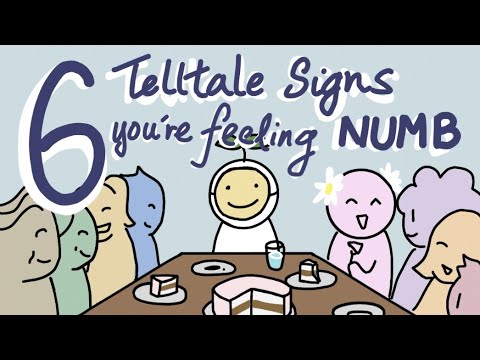
You know, it’s weird how a little pill can change everything.
I mean, like, when you’re feeling low and someone says “just take Prozac,” it sounds so simple. But what if that little pill starts to numb you?
Seriously, sometimes it feels like you’re just floating through life. No highs, no lows—just this weird middle ground.
I’ve talked to people who’ve experienced that numbness. It’s not easy, you know? There’s this emotional toll that comes with it.
So let’s chat about what it’s really like to navigate those ups and downs while on Prozac. It’s not all sunshine and rainbows.
Overcoming Emotional Blunting from Prozac: Does It Really Fade Away?
So, let’s chat about something that’s been on a lot of minds: emotional blunting from taking Prozac. It’s tough when you’re on medication for mental health issues, but it sometimes ends up making you feel, well, numb—not just to the bad stuff but to the good stuff too. You might find yourself asking, “Does this numbness fade away?”
First off, what is **emotional blunting**? It’s that feeling of being emotionally flat. You might notice it feels hard to connect with things you used to care about or enjoy. Imagine watching your favorite movie and feeling… nothing. Just a blank stare instead of laughter or excitement. Not fun, right?
**Prozac**, which is a type of antidepressant called an SSRI (Selective Serotonin Reuptake Inhibitor), works by increasing serotonin levels in your brain. This can definitely help with anxiety and depression for many people. But hey, it can also lead to emotional blunting—like you’re living life behind glass.
Now, let’s tackle the big question: does this fade away? The answer isn’t super clear-cut and varies from person to person. For some folks, it might lessen over time as your body adjusts to the medication. So yeah, it can get better! But for others, it may stick around longer than they’d like.
Here are some things that can make a difference:
- Time: Sometimes, just giving your body time helps! After a while on Prozac, people report feeling more emotions again.
- Dose Adjustment: Chatting with your doc about lowering or changing your dose could also help reduce that numbness.
- Combining Therapies: Some find that adding therapy helps them connect better emotionally while on meds.
- Choosing Other Medications: Discussing other options with a doctor could lead you toward something more compatible with how you want to feel.
Let’s go back for a second and talk about my friend Sarah (not her real name). She was prescribed Prozac after struggling with anxiety for years. At first, she felt like she could finally breathe again—until she noticed this unnerving numbness creeping in. It was weird! She loved music but found herself skipping her favorite songs without even realizing it.
Sarah decided enough was enough and spoke openly with her therapist and doctor about how she felt. They adjusted her dose gradually and incorporated some talk therapy alongside the meds. Over time—honestly more than she expected—she started feeling those once-familiar sparks come back.
Now don’t get me wrong; not everyone will have the same experience as Sarah or find the right path right away. It’s crucial to stay in touch with healthcare professionals throughout this process because they’ll guide you based on what fits your needs best.
In short: overcoming emotional blunting from Prozac could mean a combination of patience, communication with your healthcare team, and possible adjustments in treatment plans along the way. You deserve not just relief from pain but also joy in life!
Understanding Emotional Blunting from Antidepressants: Does It Fade Over Time?
Emotional blunting can be a tricky side effect of antidepressants. You know, when you start feeling like your emotions are wrapped in bubble wrap? It might seem like a good thing at first—no more sadness or anxiety—but over time, many folks find it leaves them feeling kind of flat. So let’s dig into this concept and see if that numbness fades.
First off, what exactly is emotional blunting? It’s that sensation where you feel less enthusiasm for things you used to enjoy or maybe even struggle to feel sad when something tough happens. It can give you a sense of stability, but it can also make life feel really dull. Imagine going to your favorite concert and just… not feeling the energy in the room like you used to. Bummer, right?
Now, about those antidepressants—they can affect brain chemicals like serotonin and dopamine. These are the same chemicals that help regulate our mood and emotions. Some people notice this blunting effect within a few weeks of starting their meds; for others, it may take longer to show up.
So, does it fade over time? Well, the answer isn’t black or white. Here’s what we know:
- Individual Variation: Everyone reacts differently to antidepressants. Some find that after a few months their emotional range bounces back as they adjust to the medication.
- Medication Type: Different types of antidepressants have different side effects. SSRIs like Prozac might cause more blunting than others.
- Dosing Changes: Sometimes adjusting the dose can help ease that numbness without losing the benefits of treating depression.
- Time Factor: For some people, emotional blunting does seem to lessen with time—like giving your brain some space to recalibrate.
It’s pretty common for people who experience emotional blunting to wonder if it’s worth sticking with these meds in the long run or if they should talk with their doctor about switching things up.
Speaking from experience—let’s say you’ve been on an SSRI for about six months and notice you’re not feeling as connected emotionally as before. One day you laugh at a joke but realize it feels… muted? That’s when having an open conversation with your provider is key! They might suggest other options or ways to manage those side effects.
But remember, it’s not always about jumping ship! Folks often find using therapy alongside their meds helps provide perspective and emotional engagement back into their lives.
In short, while emotional blunting is real and frustrating for many on antidepressants—it doesn’t have to be permanent. Keeping communication open with your healthcare team can really make all the difference on this journey towards better mental health!
Top Antidepressants That Minimize Emotional Blunting: Your Guide to Feeling Naturally Balanced
When it comes to antidepressants, a lot of folks have something to say about emotional blunting. So, what’s that exactly? Well, it’s when those meds kinda dull your feelings. You might feel less sad, but also less happy. It’s like that moment when you hear your favorite song but can’t quite get into it. You know?
Some people report this numbness with meds like Prozac, which is a commonly prescribed selective serotonin reuptake inhibitor (SSRI). It can work wonders for depression but might leave you feeling like you’re watching life through a foggy window.
So, if you’re looking to balance the scales a little more instead of feeling flat, here are some antidepressants that aim to minimize that emotional blunting while still helping lift your mood:
- Wellbutrin (Bupropion): This one’s not an SSRI—it’s more of a norepinephrine-dopamine reuptake inhibitor (NDRI). It tends to keep your emotions intact while giving you an energy boost. Some people love it because they say they still feel passionate about things.
- Viibryd (Vilazodone): A newer option blending SSRIs and partial agonist action on serotonin receptors. What this means is it might give you better mood regulation without totally numbing your feelings. Kind of like having the best of both worlds!
- Trintellix (Vortioxetine): Similar to Viibryd in its structure and function, Trintellix works on multiple serotonin receptors. People have found that this can maintain emotional responsiveness—feeling good without feeling flat.
- Serzone (Nefazodone): It’s an older med that’s less commonly used these days but can be quite effective for some. It helps with mood regulation and has fewer reports of emotional blunting compared to other SSRIs.
Now, here’s the deal: everybody’s brain chemistry is different. What works for one person might not work for another at all! And while these alternatives may help with minimizing numbness, they also come with their own set of potential side effects.
For instance, I once knew someone who tried Wellbutrin after feeling too dulled from another med. They started getting their spark back! They could actually enjoy their hobbies again and felt more connected to friends. But then they experienced sleepless nights—so there’s always a balance.
If you’re considering switching or trying something new, chatting with your doc about everything—your feelings around emotional blunting included—is super important! You deserve treatment that doesn’t just take away the sadness but allows you to truly *feel* again.
In short, while there are options out there focusing on minimizing that numbness while addressing depression or anxiety symptoms, it’s all about finding what makes you feel comfortable and balanced in the long run!
You know, there’s been a lot of talk about antidepressants like Prozac and how they can help people manage their mental health. But here’s the thing: while they can be really beneficial, they also come with this emotional side that’s not always easy to navigate.
Let me share a little story. A friend of mine, Sarah, started taking Prozac after struggling with severe anxiety and depression for years. At first, it felt like a miracle. She was finally able to step outside without feeling overwhelmed by panic or sadness. But as time went on, something shifted. She noticed she felt… well, kind of numb. Like the highs didn’t feel as high anymore, and even the lows felt muted.
I remembered how she used to light up when talking about her favorite band or when she saw her dog do something silly. But now? It was like someone turned down the volume on all those feelings. Conversations felt flat; colors seemed less vibrant in her world. It’s that weird spot where you’re not sad but not really happy either—just existing in this gray area.
For many people on meds like Prozac, that numbness can be alarming or confusing. You’re a bit torn because you want relief from those intense feelings—the tears that seem to never stop or the crushing weight of anxiety—but at what cost? You’re trading one challenge for another.
It’s important to remember that emotional experiences are part of being human; when you dull those emotions too much, you might miss out on things that truly make life worthwhile—like laughing until your sides hurt or crying during a sad movie (you know what I mean?).
And here’s the kicker: it’s essential to have open conversations with your doctor or therapist if you’re feeling this way while on medication. Sometimes, adjusting the dosage or trying a different medication can make all the difference.
In Sarah’s case, after some discussions with her provider and tweaking her treatment plan a little bit, she started noticing more balance in her feelings again—less numbness and more of those rich emotions she used to cherish.
Navigating mental health isn’t linear; it’s messy and complicated sometimes. You might find yourself figuring it out day by day—and that’s okay. Remembering that there are layers to our experiences is key because we deserve not just relief from pain but also joy and connection in all its forms!