So, let’s talk about something you might not hear about every day: pseudopsychopathic schizophrenia. Yeah, sounds fancy, doesn’t it? But trust me, it’s a lot more relatable than it seems.
Imagine someone who seems totally detached from reality but also has this charm that makes you second-guess everything. You know? It’s messy and complicated. That’s what we’re getting into.
This isn’t just some textbook stuff either. It’s real life for many out there. And it’s totally okay to feel a bit confused about it all. I mean, who wouldn’t be?
We’re gonna break down the nitty-gritty of how this fits into mental health contexts. So stick around!
Understanding Pseudo Schizophrenia: Symptoms, Causes, and Treatment Options
Understanding pseudo schizophrenia can be a bit tricky because it often gets mixed up with genuine schizophrenia and other mental health issues. So, let’s break it down together.
Pseudo schizophrenia is not officially recognized as a diagnosis in major psychiatric manuals like the DSM-5, but it generally refers to a set of symptoms that can mimic schizophrenia without the actual disorder. You know, it’s like when someone puts on a costume and tries to look like a character, but they’re not really that character deep down.
The symptoms can include:
- Hallucinations: These are false perceptions, like hearing voices or seeing things that aren’t there.
- Delusions: This means having strong beliefs that are not based in reality, such as thinking people are plotting against you.
- Affective flattening: This is when emotions seem muted or absent, even in situations where you’d expect feelings.
- Disorganized speech: Sometimes thoughts get jumbled up when speaking, making it hard for others to follow along.
So imagine someone who’s going through extreme stress or anxiety. They might start experiencing these symptoms without having schizophrenia as an underlying issue. This can happen if they’ve faced trauma or are dealing with heavy emotional baggage.
Now, what about the causes? Well, pseudo schizophrenia often arises from significant mental distress rather than biological factors alone. A few common triggers include:
- Severe trauma: A person might react to traumatic experiences in ways that look like real psychosis.
- Addiction issues: Substance abuse can cause temporary psychotic episodes that mimic schizophrenia symptoms.
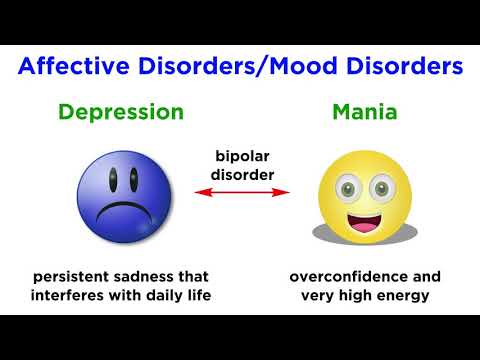
- Mood disorders: Sometimes severe depression or bipolar disorder can lead to psychotic features resembling those found in schizophrenia.
I’ve seen this in friends who went through tough breakups or lost jobs; their stress sometimes caused them to feel detached from reality for a bit. It was hard for them—like living in an emotional fog.
When it comes to Treatment options, addressing pseudo schizophrenia usually focuses on managing the underlying causes rather than treating something that isn’t really there. Some effective methods include:
- Therapy: Talking things out with a therapist helps tackle feelings and thoughts directly. Cognitive-behavioral therapy (CBT) is often effective here.
- Mediation: Mindfulness techniques can really ground you during emotional chaos and help sort through your mind’s clutter.
- Avoiding substances: Staying away from drugs and alcohol is crucial since they can worsen symptoms or trigger episodes.
Medication may also be used if there are mood disorders involved but remember—it’s more about treating what’s feeding into those pseudo symptoms rather than labeling them as true schizophrenia.
In sum, psycho-schizophrenia isn’t exactly what it sounds like—it’s more about understanding the mind’s reactions under extreme pressure rather than diagnosing someone with an illness they don’t actually have. And hey, just being informed about this stuff helps us support ourselves and those we care about better!
Understanding Schizophrenia: Is it Possible to Experience the Condition Without Hearing Voices?
Understanding Schizophrenia is a journey into a complex condition that many people have a lot of misconceptions about. When you think of schizophrenia, you probably picture someone hearing voices or having wild delusions. But here’s the thing: it’s not always that straightforward. You can experience schizophrenia without those more typical symptoms.
Let’s break it down a bit. First off, schizophrenia is known as a severe mental health disorder that affects how a person thinks, feels, and behaves. But there are different types and variations of it. One less talked about type is called Pseudopsychopathic Schizophrenia. This condition can manifest in ways that might seem like antisocial behavior but don’t necessarily involve hallucinations or auditory experiences.
Here’s the bit where it gets interesting. People with this form often display traits like impulsivity or irresponsibility but lack the full-blown psychotic symptoms that usually come to mind. Imagine someone who’s living life kind of recklessly—making choices that hurt themselves or others—but they aren’t hearing voices telling them to do it.
Some might argue this form gets overlooked because it’s less dramatic than the classic portrayal of schizophrenia in movies or TV shows. Society tends to focus on the loud symptoms—the ones that seem eerie or frightening—while quiet, less noticeable features just slip under the radar.
The diagnosis itself can be tricky, too. Mental health professionals use specific criteria from manuals like this DSM-5 (that’s the Diagnostic and Statistical Manual of Mental Disorders). The criteria look at various factors including social and occupational functioning over time instead of just focusing on one set symptom.
This leads to another point: psychosocial factors play a big role in how schizophrenia is experienced. Stressful life events, trauma, or even genetic predispositions can influence what symptoms pop up—or don’t pop up at all!
It’s also important to realize that some folks may go through their lives with these symptoms without ever getting diagnosed—so they could totally function without hearing voices yet still struggle in other ways related to their mental health.
Now, think about this—a person might find themselves feeling profoundly disconnected from reality or struggling with disorganized thoughts while navigating daily life just fine otherwise. They might be seen as simply quirky or even misunderstood rather than being recognized as experiencing a serious condition.
Treatment options are critical for anyone dealing with schizophrenia symptomatology, regardless of whether they’re experiencing classic symptoms like hallucinations or not. Therapy approaches like cognitive-behavioral therapy (CBT) can help people manage their feelings and improve their skills related to decision-making and social engagement.
In summary, while hearing voices is often associated with schizophrenia, many people experience the condition differently—without those auditory hallucinations at all! Understanding these nuances is essential for breaking down stigma around mental health conditions and moving toward more compassionate support systems for everyone involved.
Understanding the Overlapping Symptoms of Psychopathy and Schizophrenia: A Comprehensive Guide
Psychopathy and schizophrenia are two complex mental health conditions. You know, they often get mixed up because of some overlapping symptoms. But they’re really quite different at their core. Let’s dive into it.
What’s Psychopathy? It’s a personality disorder characterized by a lack of empathy, manipulative behaviors, and sometimes charming tendencies. People with psychopathy can appear normal on the outside but struggle with emotional connections. They might seem callous or indifferent to others’ feelings.
And then we have Schizophrenia. This is a severe mental disorder that affects how a person thinks, feels, and behaves. Symptoms include hallucinations (like hearing voices), delusions (strongly held false beliefs), and disorganized thinking. So, it’s more about a disconnect from reality rather than just emotional coldness.
Now, when we talk about Pseudopsychopathic Schizophrenia, things can get interesting. This is not an official diagnosis but refers to when someone with schizophrenia displays traits that are similar to psychopathy. The tricky part is distinguishing these traits in someone already facing the challenges of schizophrenia.
Let’s break down some key symptoms:
- Apathy: Both disorders can show a distinct lack of motivation or concern for others. In schizophrenia, this might stem from overall cognitive impairment.
- This can make someone with schizophrenia appear erratic or unpredictable, which can be mistaken for the manipulative nature seen in psychopathy.
- Emotional Flatness:A common symptom in both conditions, where the person seems emotionally unresponsive or lacks genuine feelings.
- Impulsivity:This isn’t just characteristic of psychopathy; people with schizophrenia may also act impulsively due to their disordered thinking.
So why does this matter? Well, it complicates diagnosis and treatment plans in mental health settings—especially if healthcare providers don’t catch these overlapping traits early on.
Imagine a case where someone is experiencing auditory hallucinations but also seems detached from their emotions. The initial impression might lean towards psychopathy because of that lack of empathy or remorse when discussing harmful thoughts influenced by their hallucinations. But really what they are experiencing could be rooted in their schizophrenic condition.
Understanding these overlaps helps in tailoring more effective interventions for those affected. If treatments focus solely on one condition without recognizing the other, it could lead to inadequate support for the person struggling.
It’s essential to approach these situations with care and compassion since both conditions involve significant struggles—emotionally and cognitively—for those living with them. Mental health isn’t black and white; there’s so much gray area! Recognizing these nuanced interactions between symptoms can help improve outcomes for everyone involved.
In summary, while psychopathy and schizophrenia share certain symptoms that can blur lines during diagnoses, they come from different places entirely within the mind. Grasping this complexity is crucial for offering meaningful help to those navigating these challenging terrains.
Pseudopsychopathic schizophrenia can be a pretty tough topic to digest. It’s like standing at this fuzzy intersection between psychopathy and schizophrenia—two seriously complex conditions on their own. When you throw them together, it might leave you scratching your head a bit, right?
So, to paint a picture: imagine someone who experiences the hallucinations or delusions typical of schizophrenia but also shows those impulsive and manipulative traits that are often linked to psychopathy. It’s not just a mix-and-match situation; their emotional and social responses might get skewed in ways that make relationships super complicated. I mean, how do you connect with someone who’s struggling with both vivid realities that aren’t actually real, and then throw in a lack of empathy?
I once knew someone who was diagnosed with this condition. Let’s call him Jake. He had these crazy, intense moments where he felt like he was the center of the universe—voices whispering secrets only meant for him. But then there were times when he’d charm the room but wouldn’t quite care about whose feelings got hurt along the way. You never knew which Jake would show up; it was kind of like living with two different people.
In mental health contexts, dealing with someone like Jake requires a focus that’s both broad and deep. Therapists need to navigate through the hallucinations while also addressing those underlying personality traits, which can be tricky! Traditional treatment methods may not apply neatly here, so creativity in therapy plays a big role.
Support systems for individuals affected by this condition can sometimes feel lost too. Families want to help but are often unsure how to approach situations when behaviors seem erratic or contradictory. And let’s be honest; it’s tough on everyone involved.
But even within all that confusion and complexity, there’s hope! With tailored therapy approaches—like cognitive behavioral techniques plus some serious support from loved ones—it is possible for folks to find their footing again. It takes time for sure; progress isn’t always linear.
Ultimately, understanding pseudopsychopathic schizophrenia is all about compassion and patience—not just for those living with it but also for families navigating these choppy waters alongside them. Life gets messy sometimes, doesn’t it? And every step counts toward clearer days ahead.