So, here’s the thing. Have you ever felt like you’re just stuck in a hole and can’t crawl out? Like, no matter what you do, that heaviness just won’t budge? It’s rough, right?
Well, there’s been a lot of chatter lately about psilocybin. You know, the stuff in magic mushrooms? Turns out it might be a real game changer for folks dealing with treatment-resistant depression. Seriously!
People are starting to see it as more than just a party drug. Some researchers think it could actually help lighten that load for those who feel like they’ve tried everything else. Wild, huh?
Let’s dig into this together and see what all the buzz is about. You might find some hope in unexpected places!
Exploring the Success Rate of Psilocybin in Treating Depression: Insights and Research
So, let’s chat about psilocybin and its potential for treating depression, especially for folks who haven’t found relief with traditional methods. You know, it’s one of those things making waves in the mental health community lately.
First off, psilocybin is the psychoactive compound found in certain mushrooms. It’s been used for centuries in various cultures but is now catching the eye of scientists and therapists alike. Why? Because some studies are showing that it might help people with treatment-resistant depression—those folks who have tried all kinds of medications and therapies and still feel stuck.
The research is pretty promising. Some clinical trials have revealed significant reductions in depressive symptoms after just a few sessions with psilocybin. For instance, a study conducted by Johns Hopkins University found that nearly two-thirds of participants reported a significant decrease in their depression after just one or two doses. That’s wild! Imagine feeling lighter and more hopeful after just one experience.
You might wonder how this works. Well, psilocybin seems to affect the brain’s serotonin receptors, which play a big role in mood regulation. And what happens is that these mushrooms can create a kind of “reset” effect in your brain—a shift in perspective that helps people see their issues in a new light.
This isn’t about just popping some shrooms casually though; therapy during these sessions is incredibly important. People often report having profound emotional experiences while on psilocybin, which can lead to breakthroughs when guided by a trained therapist. Setting and support matter here—a lot!
But before we get too excited, it’s worth mentioning that not everyone feels relief from psilocybin treatment. Some individuals may still experience anxiety or discomfort during their sessions. But that’s why having proper support is critical; you need someone there to help navigate those rough patches.
The reality is we need more long-term studies to really understand how effective this treatment can be over time. Most current studies focus on short-term effects, where immediate improvements are clear but not necessarily lasting.
In summary, while psilocybin shows real promise for treating stubborn forms of depression, it’s not some magic bullet solution. The future looks hopeful, though! As more research comes out—particularly concerning safety measures and long-term effectiveness—we’ll know more about how best to utilize this fascinating compound.
So if you or someone you know struggles with depression, keep an eye on this field; exciting developments are happening every day!
Exploring the Most Effective Medications for Treatment-Resistant Depression: A Comprehensive Guide
So, treatment-resistant depression, huh? That’s a tough nut to crack. Basically, it’s when you’ve tried multiple treatments but still find yourself stuck in the depths of despair. And honestly, it can feel pretty hopeless. But there’s some interesting research brewing around psilocybin, the compound found in magic mushrooms.
What makes psilocybin pop up in conversations about depression is its ability to create profound changes in mood and perspective. When ingested, it interacts with serotonin receptors in your brain, which can lead to those feelings of euphoria or altered perception—kind of like hitting a reset button on your mind.
- Clinical Trials: Recent studies have shown promising results. Some folks experienced significant reductions in depressive symptoms after just one or two doses! Imagine feeling lighter after years of heaviness.
- Neuroplasticity: Psilocybin seems to encourage neuroplasticity—basically how your brain forms new connections and pathways. This might help break free from old patterns of negative thinking.
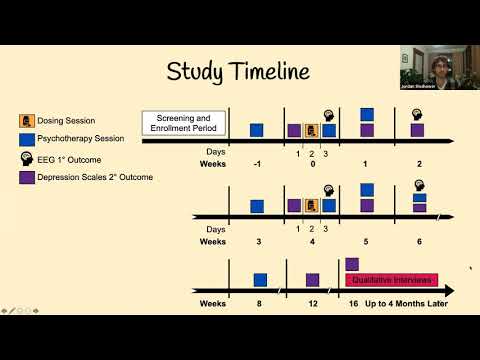
- Therapeutic Context: It’s not just about popping a mushroom and calling it a day. Many trials incorporate therapy sessions along with the substance for better outcomes, creating a supportive environment for the experience.
- Side Effects: Of course, it’s not all sunshine and rainbows. Like any medication or treatment, there are potential side effects including anxiety during the trip and some people might struggle with what they experience emotionally.
You know that feeling when you’re stuck in your head? Like, everything feels heavy and foggy? That’s where treatment-resistant depression can really get to you. So when people hear about psilocybin’s potential benefits, it’s like this spark of hope in an otherwise dark tunnel.
The research is still ongoing; nothing is set in stone yet. There’s so much we don’t fully understand about psilocybin’s long-term effects or how it works exactly at the biochemical level. But if you’re dealing with treatment-resistant depression or know someone who is, keeping an eye on emerging studies could be worthwhile.
The thing is, it’s crucial to approach this with caution because mental health journeys aren’t one-size-fits-all. You might hear some wild stories about how someone turned their life around overnight! But everyone reacts differently—what works wonders for one might not do anything for another person.
If you’re considering options beyond traditional meds or therapies, chatting with a healthcare professional about emerging treatments like psilocybin could open doors you hadn’t thought about before—just make sure you’re well-informed!
In short, while there’s exciting potential for psilocybin as a tool against treatment-resistant depression, more research needs to happen before we can call it the next big deal in mental health care healing journeys.
Exploring Breakthrough Treatments: New Hope for Overcoming Treatment-Resistant Depression
So, treatment-resistant depression (TRD) can feel like a heavy backpack you just can’t take off. It’s when the usual medications and therapies just don’t work, leaving folks feeling stuck in a sad loop. But there’s some buzz about new treatments that are giving people hope, and one of the standout options is psilocybin, the active ingredient found in magic mushrooms. Seriously, it might sound out there, but let’s break it down.
First off, psilocybin isn’t just some wild trip. Research is showing that it can shift how your brain works. It’s thought to encourage new connections between brain cells, which could help break the cycle of depression.
Now, here’s where it gets really interesting: studies have found that psilocybin can bring significant relief to people with TRD after just one or two doses. Imagine being stuck in a dark room for ages and suddenly someone flips on the lights. That’s kind of what they describe—many report feeling an immediate lift in their mood.
- How Does It Work? Psilocybin affects serotonin receptors in your brain. This neurotransmitter plays a key role in mood regulation. When psilocybin binds to these receptors, it might help reset your mind.
- The Experience: Many participants describe their experiences as deeply introspective and transformative. Some even say it feels like they’re “seeing” their issues from a whole new angle.
- Therapeutic Setting: What’s essential here is the setting where psilocybin is taken. These sessions aren’t just pop-a-pill-and-go kind of deal; they’re usually guided by trained therapists who create a safe and supportive environment.
The exciting thing is that current studies are showing promise not just for immediate impact but also for lasting effects! Some people find that their mood stays better for weeks or months afterward. It’s like planting seeds that continue to grow long after you’ve watered them.
Of course, this doesn’t mean psilocybin is a magic cure-all, right? Researchers are still figuring out how best to use it and who will benefit the most. Plus, because it’s still considered a Schedule I substance by the DEA in the U.S., access can be limited unless you’re part of clinical trials.
If you or someone you know has been battling TRD for what feels like forever, exploring options like psilocybin under proper guidance might offer some hope. It’s all about finding what works best for each person because mental health isn’t one-size-fits-all!
You know, depression can feel like this heavy fog that just won’t lift. It’s tough when you’ve tried a bunch of different meds or therapies, and nothing seems to work. That’s where psilocybin comes into the picture. You may have heard of it; it’s the active ingredient in magic mushrooms. Seriously, it sounds almost too wild to be true, right? But there’s some buzz around it as a potential treatment for people dealing with treatment-resistant depression.
I remember chatting with a friend who really struggled with her mental health for years. She felt trapped in her own mind, like she was constantly running on empty. After trying everything from various antidepressants to therapy sessions that were just… ugh, frustrating, she felt hopeless. Then someone mentioned psilocybin research and its effects on depression. At first, she thought it sounded downright crazy—like who’d want to trip out when they’re already feeling down? But after digging deeper into studies and hearing success stories, she began to wonder if that fog might actually clear up.
Research suggests that psilocybin might help reset the brain’s neural pathways—kind of like rebooting a computer that’s been acting up forever. That’s a big deal for people stuck in negative thought loops. Some folks report feeling this intense sense of connection during experiences with psilocybin, which—if you think about it—could really change your perspective on life.
Of course, here’s the catch: using psilocybin isn’t just popping some mushrooms and hoping for the best. We’re talking about controlled doses in therapeutic settings under professional supervision. It’s not just hippy-dippy stuff; science is getting behind it because there’s potential for real healing.
But then again, it’s important to remember that everyone reacts differently to substances like this. What works wonders for one person might not do much at all for someone else—not to mention the legal gray areas surrounding it in many places.
So yeah, it’s an exciting time in mental health research! Psilocybin could offer hope where little existed before—just like my friend found new light after embracing something unexpected in her journey toward feeling whole again. The exploration into this realm might put us closer to truly understanding how we can support those battling stubborn forms of depression—and maybe provide some actual relief along the way.