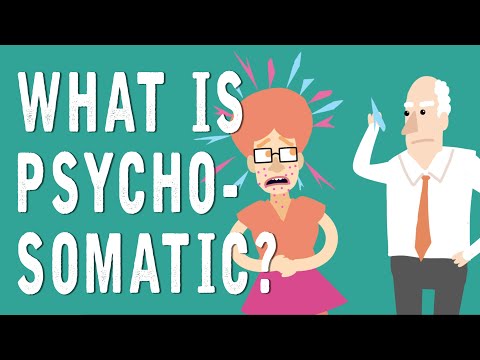
You know that feeling when you’re super stressed, and suddenly your back starts to ache? Or maybe you get a headache right before an important meeting. It’s like your body’s way of saying, “Hey, pay attention!”
Well, that’s where the whole idea of psychosomatic illness comes in. It’s this link between your brain and your body that’s hard to ignore. Seriously, it’s wild how emotions can show up physically.
Imagine dealing with anxiety and then finding yourself at the doctor because of stomach issues. You’re thinking, “What gives?” But it makes sense when you realize how stress can manifest.
So let’s chat about how our mental health plays a huge role in our physical well-being. It might just change the way you see those little aches and pains!
Understanding the Holy Seven Psychosomatic Diseases: Key Insights for Better Mental Health
Understanding the connection between mental health and psychosomatic diseases can be a bit eye-opening, really. You see, psychosomatic diseases are basically when your mind and body team up in ways that might not be super great for your health. They can manifest physical symptoms, even if there’s no clear medical cause. It’s like your emotional state is leaking into your physical world.
The Holy Seven Psychosomatic Diseases refers to a list of conditions that are often influenced by your emotional well-being. These include:
- Fibromyalgia: People with this condition often feel widespread pain, fatigue, and tenderness in their muscles and joints. Stress can ramp up these symptoms.
- Irritable Bowel Syndrome (IBS): This one’s tough. It’s linked to feelings of anxiety or depression, leading to digestive issues that can be pretty debilitating.
- Tension-type Headaches: Ever had a stressful week and then felt that weight on your head? Yeah, that’s tension headaches talking.
- Chronic Fatigue Syndrome (CFS): This condition isn’t just about being tired. Emotional stress can trigger it or make it worse.
- Cardiovascular Disease: High stress levels over time can lead to heart problems. Your emotions seriously matter in this case.
- Psycho-organic syndromes: This isn’t a specific disease but refers to conditions where psychological factors play a big role in physical symptoms.
- Dermatological conditions: Stress and anxiety can trigger skin problems like eczema or psoriasis—talk about wearing your feelings on your skin!
So, what’s the deal with all this? Basically, when you’re feeling anxious or stressed out for long periods, it doesn’t just mess with your mood; it affects how your body operates too. Think about it. Remember that time you were so stressed you couldn’t eat? Or how you’d get butterflies before a big presentation?
Here’s an example: imagine you’re super worried about an upcoming exam. All of that pressure builds up inside you. As the days go on, maybe you start getting stomach cramps or headaches—your body’s way of saying “Hey! Something’s not right here!”
Addressing these psychosomatic illnesses is key for better overall well-being too. Therapy can really help manage stress responses and understand those emotions behind the physical symptoms—you know? If you’ve ever chatted with a therapist about what’s weighing on you mentally, chances are they’ll guide you toward recognizing how those feelings affect your body.
In short, understanding the Holy Seven Psychosomatic Diseases helps shine a light on how intertwined our mental state is with our physical health. Noticing how emotional turmoil manifests physically could be the first step toward healing—not just emotionally but physically too! So take note of what you’re feeling inside; it’s definitely worthy of attention for better mental health.
Top 10 Common Psychosomatic Problems: Understanding the Mind-Body Connection
The mind-body connection is pretty fascinating, right? Seriously, it’s wild how our mental state can affect our physical health. You might experience stomach issues when you’re stressed, or maybe you get a headache before a big presentation. Those are just some examples of psychosomatic problems—when your mind messes with your body. Here are some common ones to keep in mind.
- Headaches: Stress and anxiety often lead to tension headaches. It’s like your brain is saying, “Hey, I can’t handle all this!”
- Digestive Issues: Ever felt nauseous before a big event? That’s because emotions like anxiety or fear can cause real gastrointestinal problems.
- Chronic Pain: Conditions like fibromyalgia can be influenced by stress and emotional factors. It’s not just in your head; it’s real pain that needs attention.
- Fatigue: Feeling exhausted all the time can be rooted in depression or anxiety. The mind keeps you on high alert, leaving your body totally drained.
- Sweating: When you’re anxious or scared, sweating can kick in as part of the body’s fight-or-flight response. Talk about an overreaction!
- Heart Palpitations: Stress can make your heart race as if it’s running a marathon when you’re just sitting there worrying about stuff.
- Tremors: Sometimes when people are super anxious, they might shake or tremble. It’s a visible sign that their brain is on overdrive.
- Migraines: These severe headaches have been linked to both emotional stress and hormonal changes. It’s like your body amplifies the pain when you’re under pressure.
- Skin Reactions: Anxiety and stress might lead to rashes or acne flares because your skin reacts to what’s happening inside your head.
- Pain in the Neck/Back: You know that saying “carrying the weight of the world on your shoulders”? Well, it turns out it might show up as actual back or neck pain!
The thing is, these psychosomatic issues are not fake or made-up—it’s very real stuff happening in your body because of what’s going on in your mind. Each person experiences these differently; for example, one person might get debilitating migraines during stressful times while someone else might notice their digestion goes haywire.
Feeling overwhelmed? It’s totally normal. What helps is finding ways to bridge that gap between what you feel mentally and how it translates physically. Whether it’s therapy, mindfulness techniques, or even exercise—being aware of this connection is super crucial for feeling better overall.
So if you’re experiencing any of these symptoms and they’re sticking around longer than you’d like? Don’t hesitate to talk to someone about it! You deserve to feel good both mentally and physically.
Understanding Psychosomatic Disorders: The Mind-Body Connection and Its Impact on Health
Understanding psychosomatic disorders can feel like peeling back layers of an onion. You’ve got this intricate web of emotions and physical sensations all tangled up together, and it’s not always easy to separate them. But here’s the deal: psychosomatic disorders are real. They happen when your mental health influences your physical well-being, causing genuine symptoms without a clear medical cause.
The mind-body connection is like a two-way street. What you think and feel impacts your body, and what happens in your body can affect how you think and feel. Imagine feeling super stressed about work. You might start getting headaches or an upset stomach, right? Those aren’t just “in your head”; they’re your body reacting to emotional turmoil.
Common symptoms of psychosomatic disorders include:
- Pain without a clear explanation—like that nagging backache that won’t go away.
- Digestive issues, such as nausea or irritable bowel syndrome (IBS).
- Fatigue that doesn’t improve with rest.
- Heart palpitations or other unexplained cardiovascular symptoms.
The thing is, people often overlook these connections. I remember when my friend Sarah went through a rough patch after losing her job. She started having stomach pains that sent her to the doctor repeatedly. After tons of tests turned up nothing, her doctor finally suggested it might be stress-related. Once she tackled her anxiety in therapy, those stomach issues lessened significantly.
A big factor influencing these disorders is stress. Chronic stress can lead to inflammation in the body and mess with hormones, which might totally disrupt how you function physically. And it’s not just about feeling anxious; sometimes deep-seated emotions like sadness or anger can manifest as physical ailments too.
Another point worth mentioning is how our culture views mental health. Many people still believe that if it’s not visible or measurable by typical medical tests, then it must not be real—like it’s all in your head! This stigma makes it harder for individuals to seek help; they might think they’re being dramatic or overreacting.
If you’re experiencing psychosomatic symptoms, talking to a professional can really help unravel what’s going on beneath the surface. Therapies like cognitive-behavioral therapy (CBT) focus on changing negative thought patterns and addressing emotional distress which may alleviate those pesky physical symptoms too.
Recovery isn’t always straightforward though; it requires patience and self-compassion. While tackling both mind and body sounds complex—think of it as caring for two parts of yourself at once—it doesn’t have to be overwhelming. Working through feelings might just lighten that load you carry physically.
In short, understand that psychosomatic disorders highlight the powerful connection between our minds and bodies. They serve as reminders of how deeply intertwined our emotional states are with our physical health—you know? By addressing both sides of the equation, we pave the way for better overall well-being.
You know, it’s really interesting how the mind and body are connected. Like, have you ever noticed when you’re stressed or anxious, your stomach starts doing flips? That’s what we call psychosomatic illness. It’s where your mental state can actually cause physical symptoms. It’s not just in your head—what’s going on up there can really mess with your body.
I remember this one time I was super stressed about a big presentation at work. I felt fine, but the night before, I woke up with this awful headache and my back felt tight as a drum. Turns out, it was all stress! My mind was freaking out even if I wasn’t aware of it on the surface. It’s wild how our bodies react to emotional turmoil.
So, let’s break this down a bit more. Mental health issues like anxiety or depression can manifest physically. You might have headaches, fatigue, or even digestive problems that seemingly pop up outta nowhere but have roots in your emotional state. It’s like they’re little messages from your body saying «Hey! Something’s not right here!»
The connection isn’t always obvious either. Sometimes you might think you’re just coming down with something when really it’s tied to whatever you’re feeling inside. And while medications and therapies can help manage mental health issues directly, paying attention to these physical symptoms is super important too.
When people recognize this link, it opens a door to better understanding oneself—both mentally and physically. It gets easier to take care of yourself when you notice how intertwined everything is; like if you’re feeling off emotionally, maybe dig into that instead of just slapping a Band-Aid on the physical symptoms.
So yeah, keeping an eye on both mental and physical health helps create more balance in life overall! You gotta listen to what your body—and mind—is telling you because they’re basically having an ongoing conversation that shapes who you are and how you feel every day.