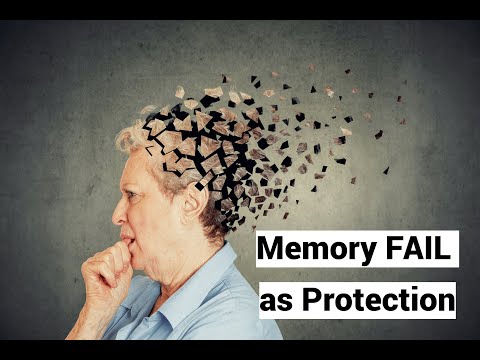
So, imagine waking up one day and not remembering a single thing about yourself. Crazy, right? That’s what people with psychogenic amnesia deal with. It’s not like just forgetting where you left your keys—this is deeper and way more emotional.
Picture this: you’re at a family gathering, and everyone’s laughing, sharing stories about the past. But when they get to you, it’s like a blank screen. You smile along but inside, it feels like there’s this huge empty space where your memories should be.
It can be really tough. You start questioning everything: Who are you really? Why can’t you remember? Seriously, it’s a wild ride through emotions, confusion, and sometimes even fear. Let’s dig into what that looks like and how it messes with your head on both sides— the symptoms and the psychological impact they bring along for the ride.
Understanding Dissociative Amnesia: Causes, Symptoms, and Treatment Options
Dissociative amnesia can sound kind of scary, right? But it’s really a way our brains protect us from overwhelming stuff. Basically, it’s when you lose memories about specific events or periods of time, often linked to trauma or stress. You might wake up one day and just not remember a whole chunk of your life. It’s not like forgetting where you parked your car; it’s much deeper and impactful.
So, what causes this? Well, **traumatic experiences** usually kick it off. Think about someone who went through a serious car accident or has seen something violent. Their mind might just decide, “Nope! We’re putting that away.” Other possible triggers include:
You follow me? It’s like your brain is trying to shield you from feelings that are just too much to handle.
Now, let’s talk symptoms. Besides memory loss, which can feel frustrating and weird, you might notice some other things happening. It’s like being in a movie where you’re not sure what part you’re playing. People with dissociative amnesia might feel detached from their identities or have gaps in their personal history. It can also result in feelings of confusion and disorientation—the kind where you’re sitting in a familiar place but feeling totally alien.
Treatment options are available if this sounds familiar to someone you know—or even yourself. Therapy often takes the front seat here since it helps people work through those buried memories gently and safely. Here are some common approaches:
And remember, finding the right therapist can make a world of difference.
Living with dissociative amnesia isn’t easy; it can be confusing and isolating. Imagine waking up one day and not knowing why a certain word feels so important but completely out of reach—it could drive anyone nuts! Yet with the right support and therapy options available, many folks find ways to slowly reconnect with their lost memories or at least learn how to deal with the impacts effectively.
If you think someone may be experiencing this—or if it’s you—reaching out for help is key. With empathy and understanding from professionals, healing is totally possible!
Understanding Psychogenic Amnesia: Real-Life Examples and Insights
Psychogenic amnesia can be a pretty puzzling topic. What’s going on when someone suddenly can’t remember big chunks of their life? Well, that’s the essence of psychogenic amnesia, also called dissociative amnesia. Basically, it’s when your brain decides to hit the «delete» button on some memories due to emotional stress or trauma. Imagine an emotional flood so intense that your mind just shuts down specific memories to protect you.
Symptoms are often pretty clear. You might find someone forgetting personal information like their name or past events, which is wild, right? Here are some key things about it:
- Memory Loss: This isn’t just regular forgetfulness; it’s a total blackout where the person can’t recall specific events or even who they are at times.
- Physical Symptoms: Sometimes people experience headaches or dizziness as their body reacts to the stress they’re under.
- A sense of Detachment: Folks may feel disconnected from themselves or reality, like they’re watching their life from the sidelines.
To put this in perspective, let me share a story about my friend Lisa. She had this terrible car accident that shook her world upside down. For weeks after, she couldn’t remember anything about her life before the crash—not her friends, family, or even her job. It was heartbreaking; she’d sit at home staring blankly at old pictures and feel nothing—like they belonged to someone else entirely.
The psychological impact of psychogenic amnesia can be huge. Imagine waking up one day and not recognizing the people you love or places you’ve been—talk about isolating! Many who experience this condition often feel severe anxiety or depression. You might think you’ve just lost part of your memory, but there’s an emotional weight that comes with it too.
Treatment usually involves therapy, which helps individuals confront and process those underlying traumas in a safe environment. It could be cognitive behavioral therapy (CBT), which helps reframe negative thoughts and emotions related to those lost memories.
In Lisa’s case, she started working with a therapist who patiently guided her back through those blocked experiences. It was tough for her but gradually she began piecing some parts back together.
So yeah, while psychogenic amnesia sounds purely mental in nature—it has deep roots in our emotional well-being and physical health too. Understanding this condition isn’t just about memory loss; it’s about recognizing how trauma shapes us in ways we might not even realize at first glance.
Understanding Dissociative Amnesia: Take Our Interactive Test to Assess Your Memory
Dissociative amnesia, huh? It’s one of those conditions that can really mess with your head. Basically, it’s when someone can’t recall important personal information, usually tied to trauma or stress. Imagine being in a situation where you just blank out on significant events or even your own identity. It’s like your brain hits the pause button to protect you from something painful.
You know how sometimes after a rough breakup, you try to ignore all the memories linked to that person? Well, think of dissociative amnesia as an extreme version of that, where the mind blocks out those memories almost entirely. Here are some things you should know about it:
- Symptoms: These can include gaps in memory for specific events or periods, confusion about personal identity, and even a feeling of disconnection from oneself. It’s not just forgetting; it’s like those memories don’t exist for you at all.
- Triggers: Trauma is a big player here—think serious accidents, abuse, or loss. Your brain might decide it can’t handle certain memories and just locks them away.
- Psychological Impact: Living with dissociative amnesia can be tough. People often feel confused or disconnected from their lives. It’s not just about forgetting; it affects relationships and daily functioning.
- The Importance of Therapy: Getting help from a mental health professional can be super helpful. Therapists might use techniques like talk therapy to help people slowly regain access to their memories in a safe way.
And speaking of therapy, let me share a quick story. A friend of mine went through something traumatic—a car accident that shook her world up completely. Afterward, she found herself standing in front of her house but couldn’t remember how she got there or why she was upset. Over time in therapy, she started recalling bits and pieces—not just the accident itself but also moments leading up to it that were buried deep down.
If you’re wondering whether dissociative amnesia is affecting you or someone else you know, there are interactive tests online that could give some insight into memory issues related to trauma. They won’t diagnose anything but can help identify if further evaluation might be useful.
In the end, understanding dissociative amnesia means recognizing how profoundly our minds try to protect us. Yet it’s crucial not to ignore these symptoms; they signal that something deeper needs attention and care. If this resonates with you or someone close to you—don’t hesitate! Reaching out for support could be the first step towards healing and reclaiming lost memories.
So, psychogenic amnesia, huh? It’s one of those topics that kinda makes you stop and think. Imagine waking up one day and you just… can’t remember anything about your life. Not even your best friend or where you grew up. Sounds like a movie plot, right? But for some folks, this is a reality.
Psychogenic amnesia often shows itself as a sudden loss of memory, usually triggered by some intense stress or trauma. And here’s the kicker: it’s not because of some physical injury or illness. It’s like your brain just decides to hit the “delete” button on certain memories as a way of coping. So weird but also kinda fascinating if you think about it.
Take Sarah, for example—a friend from college who started having blank spots after a tough breakup. One day she was laughing with us about old times, and the next she couldn’t recall half of them. She’d look at us like we were speaking Martian when we mentioned stuff that happened last summer! It was heartbreaking to see her struggle with that blankness. You could tell it wasn’t just annoying; it was scary for her. She felt lost in her own life.
The psychological impact is pretty profound too. Imagine trying to rebuild your sense of self from scratch! People can feel immense guilt and shame as they grapple with not only losing those memories but also feeling disconnected from their loved ones. Friends might find it hard to understand and feel frustrated, which can lead to isolation for the person dealing with the amnesia.
And then there’s the fear that comes along with it—worrying if they’ll ever get those memories back or if they’re stuck in this fog forever. Therapy can help piece things back together slowly but surely, although recovery looks different for everyone.
Honestly, it all highlights how intertwined our memories are with our identities. Losing them doesn’t just affect what you forget; it messes with who you are at your core! It’s wild how something so fundamental as memory can become a source of such distress and confusion.
So yeah, while psychogenic amnesia might sound like a strange thing from TV shows or movies, it’s an emotional rollercoaster for anyone who experiences it—a reminder that our brains have their own ways of dealing with trauma and pain even when we don’t understand them fully.