Hey! So, let’s talk about conversion disorder. Yeah, I know, it sounds super clinical and heavy. But stick with me for a sec.
Imagine waking up one day and your body just decides to stop working right. Like, say you can’t move your arm or your leg just won’t cooperate. It sounds strange, but that’s exactly what some people experience with this disorder.
It can be really confusing—both for the person going through it and for those trying to help. Seriously, how do you figure out what’s physical and what’s mental?
In therapy, navigating these waters can feel like a tricky game. We’ll get into the ups and downs of that journey together. Sound good? Let’s jump in!
Effective Strategies for Treating Conversion Disorder: A Comprehensive Guide
Conversion Disorder is one of those tricky situations, where psychological stress shows up as physical symptoms. One minute you’re totally fine, and the next, you might not be able to walk or feel your limbs. It’s frustrating, confusing, and a little scary. So how do we tackle this beast? Let’s break down some effective strategies for treating Conversion Disorder in therapy.
Psychoeducation is key. First things first: understand what’s happening. When you know why your body is acting out like this, it can be a relief. Many folks find that simply learning about conversion disorder helps normalize their experiences. It’s not uncommon to feel isolated; sharing knowledge can help bridge that gap.
Next up is Cognitive Behavioral Therapy (CBT). This approach helps identify and change negative thought patterns that contribute to the disorder. Think of it as training your brain to respond differently to stressors. It’s all about reframing how you view situations—kind of like changing the channel on a radio that keeps playing the same sad song over and over.
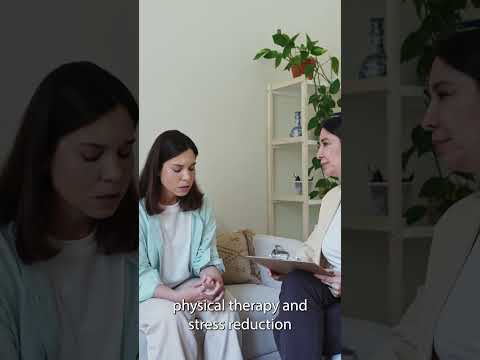
Physical therapy often plays a role too. If someone can’t move their leg because of conversion disorder, physical therapists can assist in safely reintroducing movement. They’ll guide you through exercises tailored specifically for your needs, helping to reconnect your brain with your body again.
Don’t overlook stress management techniques. This may include mindfulness and relaxation exercises—like deep breathing or yoga—to help calm your nervous system down when it feels overloaded. Many people find that integrating these practices into their routine makes a world of difference.
Another fascinating aspect is psychodynamic therapy. This approach digs into underlying emotional conflicts or traumas contributing to the symptoms. By talking about feelings or past experiences in a safe environment, some people might discover connections they never realized were there before.
Anecdote time! I once knew someone who experienced sudden blindness linked to conversion disorder after experiencing a traumatic event at work. She started therapy focusing on CBT and gradually explored her feelings surrounding the incident with a supportive therapist. Over time, her vision returned—almost like magic—but really it was her hard work unraveling those knots inside her head.
Finally, support from loved ones plays an important role too! Having family or friends who understand what you’re going through can be super comforting during tough times. Encouragement from others often helps keep motivation high throughout recovery.
Navigating Conversion Disorder isn’t easy—it takes patience and perseverance—and while these strategies may not work overnight, they have proven effective for many people trying to reclaim their lives from this puzzling condition.
Understanding Conversion Disorder: Key Causes and Insights into Symptoms
Conversion Disorder can feel like a real puzzle, right? It’s one of those conditions where people experience physical symptoms that don’t have a clear medical explanation. For instance, you might suddenly find it hard to walk, or maybe your arm goes numb. The thing is, these symptoms are very real to the person experiencing them, even if doctors can’t find any underlying physical issues.
So, what causes this? Well, **stress** is often at the heart of it. You know how sometimes when you’re super stressed out or dealing with tough emotions, your body reacts in ways you don’t expect? It’s like your mind is trying to communicate something it can’t say out loud. For example, someone might suddenly lose their ability to speak after experiencing trauma. It’s incredibly frustrating and confusing.
Another key factor is **psychological conflict**. This means that there are unresolved emotional struggles bubbling up that might manifest as physical symptoms. Imagine feeling overwhelmed by a situation at work but instead of addressing it directly, your body decides to say “nope,” and you end up with severe headaches or paralysis instead.
Now let’s talk about symptoms a bit more. They vary widely among individuals. Here are some common ones:
- Motor symptoms: Like difficulty walking or coordination issues.
- Sensory symptoms: Such as numbness or tingling.
- Seizures: These aren’t real seizures but could look like them.
It can be so perplexing for both the individual and their loved ones because these symptoms aren’t «imagined» in the traditional sense—they’re genuinely felt! It reminds me of a friend who started developing weird tremors after going through a breakup. She couldn’t understand why her body was reacting this way when she felt perfectly fine emotionally on the surface.
When navigating this disorder in therapy, it’s crucial to approach it from multiple angles—considering both mind and body together. Therapeutic strategies may include cognitive behavioral therapy (CBT), which helps tackle negative thought patterns linked to stressors. Also, techniques such as mindfulness can help individuals become more aware of their emotions and bodily sensations without judgment.
In a nutshell, Conversion Disorder merges psychological distress with physical manifestations—a unique blend of mind-body connection that definitely needs more understanding and compassion from everyone involved! Just remember: if you or someone you know is dealing with this disorder, reaching out for help is super important because no one should navigate these challenges alone!
Understanding Conversion Disorder: Key Insights and Presentation Tips for Mental Health Awareness
Conversion Disorder can be pretty confusing, and honestly, it’s often misunderstood. Basically, it’s a condition where someone experiences neurological symptoms like weakness, paralysis, or even seizures that cannot be explained by medical conditions. These symptoms are real; they’re not fake or imagined. This kind of disorder usually occurs after a stressful experience or trauma.
Imagine someone who was in a serious car accident. After the crash, they start having trouble walking or lose their voice completely. It’s not because there’s something physically wrong with their body. Instead, it’s the mind reacting to an overwhelming event. The thing is, these reactions can be really hard for both the person experiencing them and their loved ones.
In therapy, navigating conversion disorder requires a lot of patience and understanding. Here are some key points to keep in mind:
- Empathy is Crucial: When working with someone with conversion disorder, being empathetic goes a long way. It helps build trust and makes them feel comfortable discussing what’s going on.
- Focus on the Mind-Body Connection: It’s important to explore how emotional experiences might manifest physically. Maybe they’ve been through something tough that they’re struggling to process.
- Gradual Exposure: Sometimes engaging in small activities can help incrementally reduce symptoms. If someone has trouble walking due to conversion disorder, maybe starting with gentle movements might help them regain confidence.
- Collaborative Approach: Working together with other health professionals can make all the difference. A team approach ensures that both physical and psychological aspects are addressed.
- Avoiding Dismissal: It’s essential never to dismiss their feelings or experiences as «in their head.» This can lead to frustration and may worsen symptoms.
Now let’s say you’re in a therapy session with a person dealing with this disorder—they might feel anxious discussing how they’ve been feeling physically and emotionally tangled up after whatever stressful situation happened in their life.
For example, one patient might describe feeling an intense weight on their chest every time they think about their traumatic event but can’t pinpoint why it happens at all! That kind of situation really highlights why validating their feelings is so important while also helping them understand what’s happening.
Ultimately, raising awareness about conversion disorder is super important because many people don’t know about it or how complex it can be. Sharing insights about this condition not only helps those affected feel seen but also gives them tools for managing their experiences better.
With mental health issues like conversion disorder still stigmatised today, talking openly about what people go through is one way we can bridge that gap and push for more comprehensive care approaches! So remember: empathy first!
Navigating the challenges of conversion disorder in therapy can feel like wandering through a maze, you know? You think you’re getting closer to understanding your feelings and symptoms, but then something shifts and you’re back at square one. It’s like trying to grab hold of smoke—it just slips through your fingers.
Conversion disorder, or functional neurological symptom disorder, is when emotional distress turns into real physical symptoms. So, instead of a sore back from lifting too much, you might have paralysis or seizures that don’t have a clear medical cause. It’s not about faking it; it’s your brain and body speaking a language of their own. Honestly, that’s what can make therapy so tricky.
I remember chatting with a friend who had these sudden episodes where she’d lose her ability to walk. It was terrifying for her and frustrating, because doctors couldn’t find any physical reason behind it. She felt trapped by her own body yet was fully aware of what was happening around her. Imagine feeling that helpless! In therapy, she worked hard to explore not just the symptoms but also the emotions tied to them—stress from work, unresolved grief over her father’s death, feelings she didn’t even realize were lurking below the surface.
So here’s where things get complicated: therapists often need to walk this tightrope between validating these real experiences while also encouraging clients to dig deeper into those underlying emotions. Sometimes it means going back in time or connecting with past traumas—and man, that can be heavy stuff! But gradually understanding those links between emotional pain and physical symptoms is key for many people dealing with conversion disorder.
And let’s be real—progress isn’t always linear. Some days feel like climbing a mountain; other days you slip back down into doubt and frustration. That’s why having a steady support system is crucial. Yet finding the right therapist who gets this whole thing can take time—and sometimes trial and error.
Overall, it becomes less about fixing something that’s broken and more about learning how all these pieces connect in this unique puzzle we call ourselves. It’s not easy; heck no! But slowly unwrapping those layers can lead to healing in ways you’d never expect—like opening up doors you didn’t even know were there. Therapy’s an ongoing journey—a mix of challenges and breakthroughs—but every step is worth it when you’re aiming for clarity and peace within yourself.