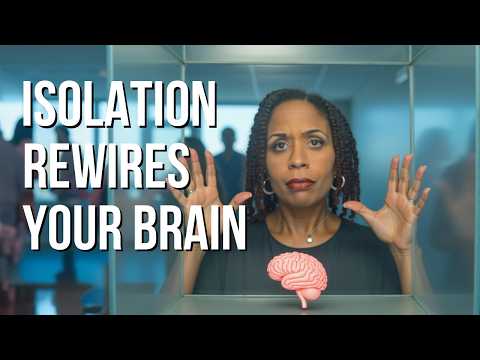
Hey, you ever feel like you’re surrounded by people but still kinda… lonely? Yeah, it’s wild. Loneliness isn’t just that empty feeling; it can seriously mess with our heads.
Imagine sitting in a crowded café, sipping your coffee, and still feeling like no one sees you. It’s tough, right? A lot of us go through that.
So, let’s talk about loneliness. It creeps in quietly and then hits harder than you expect. And honestly? It’s a big deal for mental health. You follow me?
We’ll explore how being alone affects us emotionally and what we can do about it. Because trust me, you’re not alone in this struggle.
The Hidden Effects of Loneliness on Mental Health: Understanding the Connection
Loneliness is more than just feeling alone. It’s like this heavy blanket that wraps around you, sometimes without even realizing it. Seriously, many people think of loneliness as just a temporary state, but it can have some heavy psychological effects. Let’s dig into how loneliness really messes with your mental health.
First off, loneliness is often tied to feelings of sadness or depression. When you’re isolated, there’s less social interaction, and that can lead to spiraling thoughts. Your brain kinda starts focusing on the negatives. You might find yourself overthinking situations or feeling hopeless. It’s like your mind plays tricks on you when there’s no one around to offer a different perspective.
Then there’s anxiety. If you’re feeling lonely, it can feed into anxiety disorders. Think about it: when you’re alone a lot, it can make social situations feel even scarier than they might actually be. The idea of reaching out can seem daunting; what if they don’t respond? What if they don’t want to hang out? This worry can prevent you from making connections, which just keeps the cycle going.
Loneliness also impacts physical health, which in turn affects mental well-being. Research shows that chronic loneliness is linked to issues like inflammation and heart disease. If your body isn’t feeling great, your mind isn’t either; it’s all connected! You know when you’re sick and everything feels harder? Same thing goes for feeling lonely—it’s a double whammy.
Another thing worth noting is how loneliness can change your brain’s chemistry. When you’re socially isolated, the level of certain hormones in your body shifts, especially cortisol—the stress hormone. Higher cortisol levels aren’t great for mental clarity or emotional stability; they make everything feel heavier and more stressful.
Now let’s talk about the connection between loneliness and self-esteem. Feeling isolated often leads to negative self-talk—you might start doubting yourself and thinking you’re unworthy or unlovable. This creates this vicious cycle where low self-esteem makes it harder to connect with others because you feel like you don’t belong anywhere.
Some people may cope with these feelings by drinking too much or engaging in risky behaviors as a way to escape their loneliness or numb their feelings of pain. In the short term, it might help—like it’s a quick fix—but long-term? Not so much! It usually leads back to more problems down the road.
Finally, let’s not forget how cultural factors play into this whole situation. Many societies prioritize independence over community connection nowadays, creating environments where people can easily drift into isolation without realizing they’re doing so until it hits them hard.
In short:
- Loneliness impacts emotions: It leads to sadness and depression.
- Anxiety levels rise: Fear about social situations increases.
- Physical health suffers: Chronic issues like inflammation emerge.
- Chemical balance changes: Increased cortisol affects mood.
- Self-esteem takes a hit: Negative self-talk becomes common.
- Coping mechanisms lead to risk: Substance use as an escape.
- Cultural influences matter: Individualism over community fosters isolation.
So yeah, understanding the hidden effects of loneliness on mental health helps in tackling these emotions head-on instead of letting them take control of your life! Reaching out or talking about what you’re experiencing can make all the difference—even if it’s just finding someone who gets what you’re going through.
Understanding Loneliness: Insights from Psychology on Its Impact and Solutions
Loneliness is one of those tricky feelings that can sneak up on you. You might be surrounded by people, but still feel this heavy weight of isolation. It’s a complex emotional experience, and understanding it can really help us tackle its effects on our mental health.
Do you ever find yourself sitting in a crowded room but feeling completely alone? That’s basically what loneliness feels like. It’s not just about being physically isolated; it’s more about the emotional disconnect. You might miss having someone to share your thoughts with or just hang out. And honestly, that can hit hard.
Psychologically speaking, loneliness can lead to some serious stuff. It’s linked to higher levels of stress, anxiety, and even depression. When you’re lonely, your body goes into this heightened state of alertness; it’s like your mind is constantly searching for connection but coming up empty. This persistent stress can mess with your sleep and overall health too.
- Emotional Impact: Loneliness can really affect how you see yourself and the world around you. You might start feeling worthless or like nobody truly cares.
- Physical Health: Believe it or not, chronic loneliness can increase your risk for heart disease and even weaken your immune system!
- Cognitive Functioning: Feeling lonely? Your brain might not work as sharp! Studies show that long-term loneliness can impair memory and cognitive skills.
Let me share a quick story. I once knew someone who had tons of acquaintances but absolutely no close friends. She would scroll through social media thinking everyone else was living their best life while she sat alone at home. One day she realized that all those likes didn’t mean much without real connections, and that realization hit her hard.
Now, let’s chat about some solutions to combat this pesky feeling! Connecting with others is key here. Finding communities—whether online or in person—can make all the difference.
- Reach out: Just sending a text or calling someone you haven’t talked to in a while can do wonders for both of you.
- Pursue Interests: Getting involved in activities you love also opens doors to meeting new people who share similar passions.
- Practice Self-Compassion: It’s crucial to be kind to yourself during these times; we all experience loneliness at some point!
So yeah, loneliness isn’t just a fleeting feeling; it has real psychological impacts that shouldn’t be ignored. But knowing what it really is helps us realize we’re not alone in feeling lonely—and there are definitely ways to work through it together!
Understanding Loneliness: Who Experiences It Most and Why
Loneliness is, like, a pretty heavy topic that affects a lot of people. Seriously, it’s not just about being physically alone; it’s also about feeling disconnected from others. This emotional state isn’t reserved for a specific group; anyone can feel lonely at any time. But there are certain demographics that experience it more intensely, and understanding why can help us support each other better.
Younger adults tend to struggle with loneliness quite a bit. Think about it: social media can create this illusion of connectedness, but it often leaves people feeling even more isolated. You’re scrolling through your feed, seeing friends hanging out and having fun while you’re sitting at home. It can feel really tough being in your twenties trying to find your place in the world.
Then there are older adults. As they age, people often lose friends or family members, which can lead to feelings of isolation. Imagine suddenly missing the weekly game nights or those long chats with a close friend who’s passed away. It’s painful and hard to cope with that gap in social interactions.
Another group that experiences loneliness is parents, especially new moms and dads. They might be surrounded by little ones but still feel very isolated during those early years of parenthood. You’re taking care of a baby all day long—where do you even find time to connect with others? It’s like this double-edged sword where responsibility takes over.
Also, let’s not forget about people with mental health issues. Conditions like depression and anxiety can lead to withdrawal from social situations. You might feel too overwhelmed or anxious to engage with others, which just deepens the feelings of loneliness over time.
The psychological toll of loneliness on mental health is significant. Research shows that chronic loneliness can lead to increased anxiety and depression rates. It’s really like a vicious cycle: feeling lonely makes you anxious or sad; then, when you feel anxious or sad, reaching out becomes even harder.
You know what else? Loneliness doesn’t just impact emotional well-being; it has physical effects too! Studies suggest that prolonged feelings of isolation may be linked to higher risks for cardiovascular issues and weakened immune response. That shows how deeply interwoven our minds and bodies really are!
In essence, understanding who experiences loneliness most—and why—lets us recognize these struggles around us better. When we see someone who looks lonely or feels disconnected, we could reach out instead of assuming they don’t want company. Sometimes just saying hi or asking someone how they’re doing makes all the difference.
So yeah, loneliness is complex but totally relatable if you think about your own life or the lives around you. Let’s keep talking openly about it because breaking down those barriers is key!
You know, loneliness can hit harder than we realize. Imagine sitting in a crowded room, feeling like you’re on a different planet. That hollow feeling creeps in, and suddenly, even the loudest laughter feels distant. It’s kind of like being surrounded by people yet completely invisible.
Loneliness isn’t just about missing company; it’s this heavy weight that can seep into your mind and body. Research says that prolonged loneliness can mess with your mental health in some pretty serious ways, leading to anxiety or even depression. It’s not just a sad thought; it’s a real struggle many face.
I remember chatting with a friend who spent months working from home during the pandemic. At first, it was great! No commute, comfy clothes—but as time went on, he started to feel his mood drop. He’d scroll through social media, seeing friends out and about while he sat alone with his takeout. Slowly but surely, that isolation turned into this eerie friend of mine called depression.
Your brain is wired for connection; we’re social creatures by nature. So when you feel alone, your brain starts acting out—it releases stress hormones like cortisol and can lower serotonin levels (that lovely little thing that helps keep your spirits up). Isn’t it wild how our minds and bodies are so interconnected?
People often think that solitude is peaceful or something we should embrace more often. And sure, some alone time is healthy! But when loneliness festers over time? That’s when things can go downhill fast.
A lot of us don’t even recognize the signs at first—changes in sleep patterns, not wanting to see friends or family anymore—it all sneaks up on you like an uninvited guest at a party! You might think you’re just tired or busy when really, it’s more about feeling disconnected.
What’s crucial here is figuring out how to reach out again because connection really matters—a quick text to a friend or even joining a local club could stir those feelings of belonging back into existence. Remember my friend? He eventually opened up about how he felt to someone he trusted and took small steps outside his comfort zone—those little moments made a huge difference for him.
So yeah, being lonely is tough on mental health for so many people out there today. It doesn’t have to be this ongoing battle because reaching out—even if it’s awkward—can help lift some of that weight off your shoulders! Connections count; they truly make life brighter in ways you might not expect!