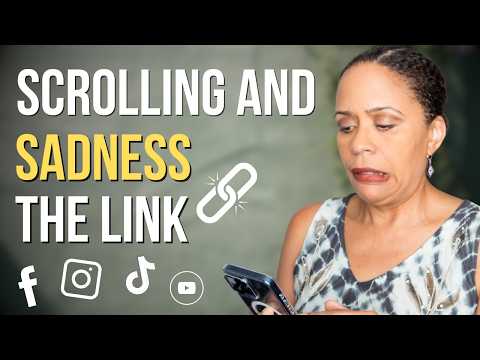
You know, social media can feel like a double-edged sword sometimes. On one hand, it connects us with folks all around the world. But on the other? It can seriously mess with our heads.
I mean, think about it. Scrolling through perfect lives and filtered pictures can leave you feeling… well, less than perfect. Ever had one of those days where you feel great until you see someone’s vacation pics? Yup, that’s what I’m talking about.
It’s like we’re surrounded by this invisible pressure to keep up or fit in. And that pressure? It really takes a toll on our mental health. We’re diving into how these platforms shape our moods and mindset—because trust me, it’s a wild ride out there!
So grab a seat, and let’s chat about the ups and downs of life online.
Exploring the Impact of Social Media on Mental Health: Insights and Implications
Social media—it’s this wild, crazy space where we can connect with friends, share our lives, and scroll endlessly through memes. But let’s get real for a second: it can also have a serious impact on mental health. When you think about it, the effects can be pretty heavy.
First off, there’s the constant comparison game. You see your friend in Thailand living their best life and suddenly you’re questioning your choices, right? Social media often highlights the best moments, leading us to compare our behind-the-scenes to someone else’s highlight reel. It’s a recipe for anxiety and low self-esteem. You might feel like you’re always missing out or not good enough.
Then there’s the whole issue of cyberbullying. Believe it or not, some people take advantage of that anonymity to say hurtful things online. This can lead to feelings of isolation and despair. Victims of cyberbullying often experience higher rates of depression and anxiety than those who don’t face online harassment.
Now let’s talk about that addictive nature of scrolling forever. You know how easy it is to lose track of time, right? Like you sit down for five minutes but suddenly it’s two hours later? This behavior can mess with your sleep patterns and even impact your mood throughout the day. Lack of sleep? Yep, that contributes to anxiety levels skyrocketing.
And how about validation through likes? Seriously, getting that little notification feels great at first. But when those likes start dipping or aren’t what you expected, it can really sting! Research shows connections between social media use and feelings of inadequacy when engaging with these platforms too much.
Another sneaky aspect? The fear of missing out (FOMO). When everyone seems to be hanging out without you—or going on amazing trips—you can’t help but feel a bit left out. This leads to increased anxiety as we strive harder for social acceptance online while potentially neglecting real-life connections.
Despite all this negativity surrounding social media’s psychological impacts, some good comes from connecting too! You can find communities that are supportive and uplifting. These spaces offer a sense of belonging where people share similar experiences or challenges—like mental health struggles—creating valuable discussions that might help someone feel less alone in their journey.
So what do we do with all this info? Well, it’s essential to maintain awareness about how these platforms affect us emotionally. Try setting limits on social media use if you feel overwhelmed or anxious after scrolling for too long. And don’t hesitate to reach out if you’re facing bullying or intense feelings; remember—there’s no shame in asking for help.
In short: social media has its perks but watch out for its pitfalls too! Balancing usage is key because enjoying these platforms shouldn’t come at the cost of your mental well-being.
The Dark Side of Social Media: Understanding Its Negative Impact on Mental Health
Social media, like a double-edged sword, has its perks—but it can also cut deep. While it connects us, shares laughs, and spreads information, it comes with a dark side that can seriously mess with our mental health.
Comparison Culture: One of the biggest traps is comparison. You’re scrolling through your feed and see your friends living their best lives. It’s hard not to feel like you’re falling behind. Maybe you see someone posting about their perfect vacation or new job. This can lead to feelings of inadequacy or low self-esteem because, let’s be real—most people only share their highlight reels.
Anxiety and FOMO: Then there’s anxiety fueled by the fear of missing out (FOMO). You hear about an event but weren’t invited or see plans that others made without you. It hits hard! This constant worry can ramp up your stress levels and make you feel more isolated than ever.
- Cyberbullying: Unfortunately, social media can also be a breeding ground for bullying. When people hide behind their screens, they sometimes say some truly awful things. Victims often find themselves feeling depressed or anxious after being targeted online.
- Unrealistic Standards: With Instagram models and influencers showcasing unattainable beauty standards, many find themselves battling body image issues. This distortion can lead to eating disorders or just plain dissatisfaction with oneself.
- Addiction: Social media is designed to keep you scrolling—think about it! Notifications pinging at all hours? It’s easy to fall into the trap of compulsively checking your phone every few minutes. This kind of addiction can disrupt sleep patterns and reduce overall productivity.
It reminds me of my friend Jenna who once spent hours curating her Instagram feed but ended up feeling horrible afterwards because she didn’t think she measured up to those flashy photos she was seeing all day long. She told me how drained she felt from trying to keep up appearances while battling her own insecurities.
The Echo Chamber Effect: Another issue lies in the echo chamber effect we often encounter online. People tend to follow those who share similar views or lifestyles; this limits exposure to diverse perspectives and reinforces existing beliefs, making any sense of reality skewed further away from actual truth.
The result? Increased agitation when confronted with different opinions on topics like politics or mental health—leading some folks into heated arguments instead of open discussions!
Real Connections vs Online Connections: Lastly, let’s talk about how social media affects face-to-face interactions. It’s convenient to text rather than meet up in person. But that convenience comes at a cost—real connections suffer when we prioritize social media likes over genuine conversations with friends and family.
You may find yourself caught in a web where scrolling takes precedence over having heart-to-heart chats which are essential for emotional well-being! So it’s super important to strike a balance between our digital lives and reality.
The thing is social media isn’t going anywhere anytime soon; it’s become a huge part of our lives whether we like it or not. Recognizing its impact on mental health is key—and taking steps toward healthier habits could really help lighten that heavy toll it sometimes brings along!
Downloadable Research Paper: Exploring the Effects of Social Media on Mental Health
Social media is everywhere these days, right? It can feel like a fun way to connect with people, share your life, and stay updated. But let’s be real: it also comes with a bunch of ups and downs for your mental health. A research paper on this topic might explore some key areas worth knowing about.
Comparison Culture
One major issue is the way social media encourages comparison. You scroll through feeds filled with perfect photos and highlight reels from others. And suddenly, you’re comparing your life to theirs. This can lead to feelings of inadequacy or low self-esteem. Think about it: when you see someone traveling the world or flaunting their new job, it’s easy to start feeling like you’re not doing enough yourself.
Anxiety and Depression
There’s also a connection between heavy social media use and increased levels of anxiety and depression. Research shows that people who spend more time online often report higher feelings of loneliness and sadness. Imagine waking up, checking your phone right away, and diving into a sea of posts that remind you of what you lack or reinforce negative feelings.
Cyberbullying
And don’t forget about cyberbullying—it’s a real problem in the social media world. Negative comments or harassment can really affect how you feel day-to-day. If someone is hurling insults your way online, it can chip away at your confidence or even lead to serious emotional distress.
The Pressure to Perform
Then there’s that pressure to keep up appearances. Many people feel they need to constantly post something interesting or “cool” to stay relevant. This can create an exhausting cycle where you’re more focused on likes and comments than genuine interactions—leading to burnout over time.
FOMO
And let’s not overlook *FOMO*, or the “fear of missing out.” Seeing friends having amazing experiences without you can leave you feeling left out or anxious about what you’re missing in life.
The Positive Side
Of course, there are positive effects too! Social media can help build connections and communities, especially for those who might struggle in real life due to social anxiety or isolation. Finding support groups or engaging with others who share similar interests can be super beneficial.
You know, social media can feel like a double-edged sword sometimes. On one hand, it brings us closer to friends and family, especially those who live miles away. But on the other hand, it can be really tricky for our mental health. It’s kind of wild how scrolling through someone’s highlight reel can make you feel like you’re not doing enough with your life.
I remember a while back, I was deep into Instagram one night, just mindlessly swiping through photos of my friends traveling and living their best lives. And there I was on my couch in sweatpants, just feeling blah. It hit me—I ended up comparing my everyday moments to their “best moments.” The thing is, most folks don’t post the tough days or the messiness that comes with life. They just show the good stuff! So then I found myself caught in this cycle of feeling inadequate and anxious.
It’s pretty common for people to experience this kind of comparison trap. You start thinking everyone else is thriving while you’re struggling with your own issues—like anxiety or depression—and it just amplifies those feelings. Research shows that a lot of people report feeling more lonely or stressed because of social media interactions; it’s ironic since it’s supposed to connect us, right?
And there’s also that pressure to keep up appearances online. You might feel pushed to curate your posts perfectly or get a certain number of likes to validate how you’re feeling about yourself. I’ve had days where I’d obsess over a post’s performance like it mattered more than real-life relationships.
Plus, let’s not forget about cyberbullying—it’s really harsh out there! It can go from an innocent comment to someone tearing you apart over something trivial in seconds. That weight can be soul-crushing if you’re already dealing with low self-esteem or any mental health struggles.
So yeah, navigating social media feels like walking on eggshells sometimes. I mean, we all want connection and community but finding that balance is tough! It might help if we remind ourselves that what we see online isn’t the full picture and maybe take breaks when it all starts feeling too heavy.
At the end of the day, you gotta check in with yourself about how you’re feeling when you’re using these platforms—sorta like having an emotional GPS for your mental well-being!