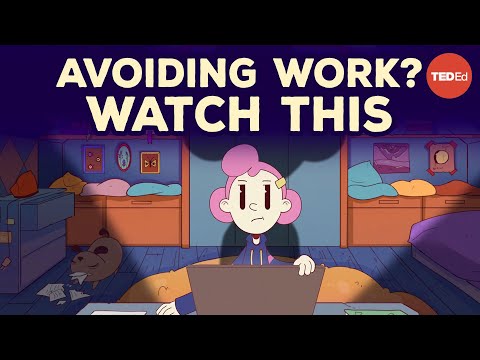
You know that feeling when you just can’t get yourself to start something? You’ve got a million things to do, but your couch is way too comfy.
Seriously, procrastination is like this sneaky little monster that creeps in and takes over our brains. It’s not just about being lazy or disorganized. There’s so much more going on under the surface.
Sometimes, it’s about fear—fear of failure, or even fear of success. Other times, it’s tied to feeling overwhelmed or just plain anxious.
And guess what? These feelings can really mess with your mental health. It’s a cycle that can leave you feeling stuck, frustrated, and maybe even a bit sad.
So let’s chat about why we procrastinate, how it hits our mental state, and maybe figure out a few ways to kick that monster to the curb! Sounds good?
Exploring the Psychological Roots of Procrastination: Understanding Why We Delay
Procrastination is one of those things we all struggle with, right? You know, when you put off important tasks until the last minute, even though you know it’ll stress you out later. The thing is, it’s more complicated than just being lazy or disorganized. Let’s dig into the psychological roots of procrastination and how they tie into our mental health.
First off, procrastination often stems from fear. This could be fear of failure or even success. Imagine starting a project but feeling terrified that it won’t turn out how you want it to. So instead of tackling it head-on, you scroll through social media for hours. It feels easier to avoid that uneasy feeling, even if it makes things worse down the line.
Another big player in this game is perfectionism. If you’re the type who wants everything to be absolutely perfect before showing it to anyone or even finishing it at all, guess what? You might never actually get started! Perfectionists often delay because they’re worried their work isn’t “good enough.” It’s like a hamster wheel—you keep spinning but never go anywhere.
And then there’s emotional regulation. Sometimes we don’t want to deal with unpleasant feelings. A deadline can trigger anxiety or stress, so instead of facing those feelings, we choose distraction methods—like binge-watching a show or cleaning the house (yes, that counts too!). You’re avoiding what feels uncomfortable in favor of something that brings temporary relief.
But here’s where it gets interesting: cognitive distortions also play a role in procrastination. These are essentially inaccurate thoughts we have about situations. For example, thinking “I’m not cut out for this” can create a huge mental block that prevents us from getting started on a task. It’s like putting up walls around yourself without realizing it.
Another factor is how much we value tasks differently based on our habits and past experiences. If something feels unimportant or tedious, you might push it aside for something more stimulating—like scrolling through TikTok. We often overestimate how much time we’ll have later and underestimate how hard it’ll be to do that task when crunch time hits.
Lastly, let’s consider motivation and rewards. Sometimes we need an extra nudge to get going on something boring or difficult. For instance, if studying doesn’t feel rewarding right away—or at all—you may opt for instant gratification activities instead. That short-term reward can make future tasks seem less appealing by comparison.
Dealing with procrastination isn’t just about getting better at time management; it’s also about understanding these deeper psychological triggers behind your behaviors. And hey, recognizing why you procrastinate can empower you to find ways to break free from the cycle—whether through therapy or self-reflection—and eventually lead to healthier habits! Remember: it’s okay not to be perfect; taking small steps matters too!
Understanding Procrastination in Individuals with ADHD: Causes and Solutions
Understanding procrastination, especially in folks with ADHD, can be a real rollercoaster ride. You may find yourself battling with feelings of guilt, frustration, and sometimes just total confusion about why you can’t seem to get things done. So what’s going on?
First off, ADHD (Attention-Deficit/Hyperactivity Disorder) isn’t just about being easily distracted or hyperactive. It involves challenges with executive functioning, which means planning, prioritizing, and staying focused can be tough. When you throw procrastination into the mix, things can get chaotic.
You know that feeling when a deadline is looming and everything seems ten times more daunting? That’s classic for someone dealing with ADHD. The brain might struggle to shift gears from “I’ll do it later” to “I need to do this now.” This isn’t just laziness; it’s a complex interplay of brain chemistry and emotional responses.
- Impulsivity: People with ADHD often have impulsive tendencies. This means they may choose immediate gratification over long-term tasks. For instance, scrolling through social media feels way easier than tackling that report due tomorrow.
- Difficulties with time management: Individuals might not accurately gauge how long tasks will take or when they should start them—leading to last-minute chaos.
- Emotional regulation: Anxiety about failure or perfectionism can spiral into avoidance behaviors. You want the work to be perfect but end up doing nothing at all because of that pressure.
And let me share a quick story: I had a friend who always wanted to finish his homework early but would end up binge-watching TV shows instead. The stress was palpable as deadlines approached. He didn’t enjoy procrastinating; he felt paralyzed by the pressure!
So what are some possible solutions? Here are several strategies that could help:
- Break tasks into smaller steps: Instead of viewing an entire project as one massive task, break it down into bite-sized pieces. This makes things feel less overwhelming and more manageable.
- Create a structured environment: A dedicated workspace free from distractions can work wonders for focus.
- Use timers: Try techniques like the Pomodoro Technique—work for 25 minutes and then take a break for 5 minutes. This can enhance concentration without feeling too burdensome.
- Accountability buddies: Having someone check in on your progress—like a friend or family member—can motivate you to stay on track.
You know what else? Sometimes professional help is key! Working with therapists who specialize in ADHD might provide additional tools tailored specifically for you.
So yeah, procrastination isn’t just random slacking off; it’s rooted in some serious stuff tied to your brain and emotions. Understanding this connection is half the battle!
Exploring Methylphenidate: Can It Effectively Combat Procrastination?
Procrastination is one of those sneaky behaviors we all wrestle with at some point. You know that feeling when you really need to get something done but just can’t seem to start? It’s frustrating, right? Well, let’s break down how methylphenidate might fit into the picture, especially if you’re grappling with procrastination related to attention issues.
Methylphenidate is a medication often prescribed for Attention-Deficit/Hyperactivity Disorder (ADHD). It’s like a little helper that gets your brain moving by boosting certain neurotransmitters, mainly dopamine and norepinephrine. These are the chemicals that help you feel focused and motivated. The idea is that if you can improve focus, then maybe you can tackle those tasks you’ve been putting off.
One thing to keep in mind is that procrastination isn’t always about laziness or lack of willpower. Sometimes it’s tightly linked to how our brains work. For people with ADHD, starting tasks can be especially tough because their brain might not respond to motivation the same way as others do. In this context, methylphenidate could really make a difference.
Here are some factors to think about regarding methylphenidate and procrastination:
- Increased Focus: Methylphenidate may help sharpen your attention, making it easier to dive into projects.
- Enhanced Motivation: By boosting dopamine levels, it might make you more eager to tackle those dreaded tasks.
- Short-term Relief: It often provides immediate effects, which can help jump-start productivity right when you need it.
But hold on! It’s not like popping a pill magically solves everything. Medications come with their own set of challenges and side effects. Some people experience anxiety or jitteriness on methylphenidate, which could make things worse rather than better. Plus, there’s the risk of dependency—so it’s super important to approach this under a doctor’s guidance.
A friend of mine once shared her struggle with procrastination due to ADHD. She felt overwhelmed by even simple tasks and would spend hours scrolling through social media instead of studying for her finals. After trying methylphenidate under medical supervision, she noticed she could finally concentrate long enough to get through her readings without feeling like she was dragging herself through mud.
It’s worth mentioning that treating procrastination effectively often requires more than just medication. Behavioral strategies play a huge role too! Techniques like breaking tasks into smaller steps or setting timers can also be helpful ways to combat procrastination alongside any medication.
So here’s the deal: while methylphenidate may offer support for some folks dealing with procrastination tied to ADHD or focus issues, it’s not a one-size-fits-all solution. Ideally, it should be part of a broader approach involving therapy or behavioral changes—whatever works best for you or someone else dealing with this challenge.
In summary: methylphenidate has potential benefits in addressing procrastination by enhancing focus and motivation for individuals who struggle with attention-related issues—but always seek professional advice before starting any treatment journey!
You know that feeling when you have a pile of things to do, but you just can’t seem to get started? Like, maybe you’ve got an essay due, and instead of writing it, you’re suddenly *very* into organizing your sock drawer or binge-watching that show you’ve seen a million times. It’s super frustrating, right? Well, that’s procrastination for you.
So here’s the deal: procrastination isn’t just about laziness or lack of willpower. There’s actually a lot going on in your head when you’re putting things off. Seriously! You might feel overwhelmed by the task at hand or fear that it won’t be good enough. And let’s not forget about perfectionism—believing everything has to be flawless can really hold you back from even getting started.
I remember this time in college when I had a big project due. I kept telling myself I’d start “tomorrow.” But then tomorrow rolled around, and I was still scrolling through my social media feed. The pressure built up until I was stressed out and panicked, which only made me more likely to avoid doing something about it! It was like a vicious cycle—my anxiety made it hard for me to tackle the work, which made my anxiety grow even more.
For some folks, procrastination can even be tied to deeper mental health issues like depression or anxiety disorders. It’s like using avoidance as a coping mechanism. If you’re already feeling low or anxious about something else in your life, adding more stress (like looming deadlines) can feel like stacking bricks on an already heavy load.
And here’s another layer: our brains can be weirdly wired against us at times! Tasks that seem boring or unpleasant trigger our brain’s reward system less than stuff we find more enjoyable. That makes it way easier to reach for our phone than face down those emails we dread.
But not all is lost! Recognizing this pattern is the first step toward breaking free from the cycle. You could try setting small goals so they feel less overwhelming—like just writing one paragraph instead of thinking about the entire report—and celebrating little wins along the way could help too!
Basically, procrastination is a pretty common struggle and often intertwined with mental well-being. Understanding why you do it doesn’t magically make it go away; however, knowing what drives this behavior might help you find better ways to manage your time and feelings. And remember—you’re definitely not alone in this!