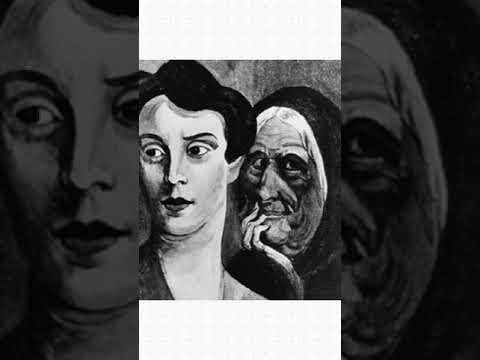
Alright, let’s talk about something kinda cool—the Psychology Picture Test. Sounds fancy, right? But it’s really just a simple way to peek into how our minds work.
You know those moments when you look at a painting or a photo and it totally speaks to you? Well, the Picture Test taps into that vibe! It’s like throwing a bunch of images at someone and seeing what sticks in their brain.
This isn’t just about art appreciation, though. It’s about understanding your feelings, thoughts, and even some hidden stuff you might not even realize is there. Pretty neat, huh?
So let’s dig into what this test is all about and how it can help in mental health. You might find some surprising insights along the way!
Understanding the Picture Test in Psychology: Insights and Interpretations
Understanding the Picture Test in Psychology can feel a bit like peeking into someone else’s brain. These tests are designed to tap into your thoughts, emotions, and even your subconscious. They use images or drawings as a way to understand what’s happening in a person’s mind. So, let’s break it down.
The Picture Test usually involves showing you an image and asking how it makes you feel or what story it brings to mind. You might be shown something abstract or maybe even a simple scene. The idea is that your reactions reveal things about your personality, fears, and desires.
Some key points about the Picture Test include:
- Emotional Responses: Your immediate reaction is super important. Do you feel scared, happy, or confused? These feelings give clues about your inner world.
- Association: What you associate with the image matters too. If you see a tree and think of family gatherings, that connection might reveal something meaningful about your relationships.
- Symbolism: Many images can have different meanings for different people. A stormy sky might mean trouble for one person but represent change for another.
Now, here’s where it gets interesting. The test doesn’t just look at what you see; it’s also about how you express yourself while discussing the picture. Are you hesitant? Do you dive right in? This can all reflect your communication style and comfort level with sharing feelings.
Anecdotes can help illustrate this point well. Imagine two friends looking at the same picture of a beach scene: one friend might talk about fun vacations and relaxation, while the other might mention feeling lonely because they used to visit that beach with someone who’s no longer around. This shows how personal context alters perception—even when looking at the same thing!
The Picture Test’s role in mental health is also significant. It can be used in therapy to help clients articulate feelings they might not know how to express otherwise. For example:
- Therapeutic Tool: Therapists may use these tests to initiate conversations that lead to deeper insights.
- Assessing Change: By repeating these tests over time, therapists can gauge progress or shifts in mental health.
In therapy sessions, these insights can foster connections between past experiences and current behaviors—helping individuals work through unresolved issues.
However, it’s essential to remember that picture tests are just one tool among many in understanding human behavior and mental health. They should always be interpreted by qualified professionals who consider context along with responses.
In short, Picture Tests are like mirrors reflecting parts of ourselves we sometimes don’t even realize are there! They invite self-exploration and promote dialogue around our emotional lives—a big win for anyone on their journey toward better mental health!
Understanding the Rorschach Test: Exploring Its Purpose and Significance in Psychology
The Rorschach Test, often called the inkblot test, is one of those classic tools in psychology that you’ve probably heard about. The basic idea behind it is pretty simple: you look at a series of inkblots and then describe what you see. But here’s the catch—these aren’t just random blobs of ink; they’re designed to help psychologists understand your thought processes, feelings, and personality traits.
Purpose
So, why use the Rorschach Test? Well, it aims to tap into your unconscious mind. When you look at those inkblots, it’s like looking in a mirror that reflects not just your thoughts but also your emotions and experiences. This can be super helpful for psychologists when they’re assessing someone for various mental health conditions. It gives them insights that standard questionnaires might miss.
Significance
Now, let’s talk about why this is significant. The Rorschach Test has been around since the 1920s and has evolved a lot since then. It’s not just a quirky psychology game; it can reveal deep-seated issues or conflicts that someone might not even be aware of. For example, if someone consistently sees aggressive images in the blots, it could point to underlying anger or anxiety.
Many people worry about how accurate the test is, but when used correctly alongside other methods like interviews or standardized tests, it can provide a multi-dimensional view of an individual’s mental health.
How It Works
You go into a therapist’s office, and there it is: a series of inkblots printed on cards. The psychologist shows you each card one by one and asks what you see. There are no right or wrong answers—your interpretation is all that matters! You might see a butterfly while someone else sees two people fighting; both interpretations can tell something unique about you.
What happens next? The therapist analyzes your responses based on various factors like content (what you saw), location (which part of the blot caught your eye), and even how you described it (were you cautious or enthusiastic?). Each answer reveals something different.
Caveats
That said, let’s not sugarcoat everything here—this test isn’t foolproof. Like all assessments in psychology, it has its limitations. Some critics argue it’s subjective and depends heavily on the psychologist’s training and experience. It shouldn’t be used in isolation to make diagnoses but rather as part of a broader assessment strategy.
Thinking back to some clients I’ve known who’ve taken this test—it was often enlightening for them! One guy told me he saw chaos in almost every inkblot; later discussions revealed he was dealing with significant stress at work that he hadn’t fully acknowledged.
In short, the Rorschach Test isn’t just some oddball activity; it’s got real weight in psychology. By offering insights into our unconscious mind, this test can help paint a fuller picture of mental health—one splashy blob at a time!
Exploring the Inkblot Test: Can Rorschach Reveal Hidden Mental Health Issues?
The Rorschach inkblot test is one of those psychological assessments that’s been around for ages. You know, it’s like the classic game where you stare at a bunch of ink splotches and, well, spill your thoughts about them. But how does this quirky test actually work, and can it really uncover hidden mental health issues?
First off, the idea behind the Rorschach test is simple: it taps into your subconscious mind. When you look at those inkblots—whatever shapes might jump out at you—you’re revealing insights into your personality and emotional functioning. That’s because people often project their feelings onto ambiguous stimuli. So when you see something in an inkblot, it might actually be a reflection of what’s going on inside.
Now, let’s get real for a second. The test consists of ten inkblots, each designed to elicit different interpretations. You might look at one and see a butterfly while someone else sees a bat. This variance is key! Your unique responses can highlight mental health struggles or personality traits. For instance, if someone constantly sees aggressive or dark themes, it could indicate underlying anxiety or certain mood disorders.
But how reliable is this thing? Well, that’s a bit mixed. Some psychologists swear by it, believing that it offers valuable insights that traditional interviews might miss. Yet others criticize its subjectivity—it’s not exactly science in a lab coat! Usually used alongside other tests for a fuller picture, it helps therapists piece together what might be going on below the surface.
There’s also the factor of cultural context to think about here. Your background can shape how you interpret those images. Like if you grew up watching horror movies versus fairy tales; that could totally influence which emotions pop up when you see an inkblot! So understanding cultural nuances is super important when interpreting results.
To illustrate this point: imagine two folks looking at the same inkblot—let’s say one sees a couple arguing while the other thinks it’s two friends laughing together. This discrepancy says quite a lot about their perspectives on relationships and conflict!
Of course, while the Rorschach can be insightful, it’s not infallible. It won’t diagnose conditions like depression or anxiety outright but can provide clues to deeper issues needing attention. In therapy sessions afterward, therapists might delve into these interpretations to help clients understand their feelings better.
In short, exploring the Rorschach test reveals some fascinating insights into what makes us tick emotionally. It serves as another tool in the mental health toolbox, helping open doors to conversations that matter even if it’s just through some wild-looking ink blobs! Isn’t that just kind of cool?
You know, I came across this interesting thing called the Psychology Picture Test recently. It’s one of those projective tests where you look at a bunch of images and then share what pops into your mind. Sounds kind of simple, right? But it gets way deeper than that.
So picture this: you’re staring at an abstract painting full of wild colors and shapes. While your buddy might just see a mess, you might see a mountain or a person jumping for joy. What you interpret says a lot about how you’re feeling and what’s going on in that busy head of yours. That’s the whole point! It’s like peeling back layers—you get to see parts of yourself that maybe you didn’t even know were there.
I remember when my friend Sam went through this test during therapy. Sam had been feeling pretty down for a while. When he looked at one image—just some swirls and patterns—he started talking about feeling lost, kind of like those swirls were swirling all around him with no clear path. It surprised him, honestly. He hadn’t realized how important finding direction was for him until he saw it laid out in front of him like that.
This test can help therapists get a glimpse into someone’s emotional world without all the formalities that come with standard questions. You know how sometimes just answering questions feels so stiff? Like, “How are you today?” is way too simple for what we’re really feeling. But with these images? It opens up the floor for real conversation.
Of course, it’s not just about understanding feelings—it can also help pinpoint issues like anxiety or depression more subtly than traditional methods might catch. But let’s be clear: it’s not some magic solution or something to rely on alone. It works best when combined with other forms of therapy and clinical insight.
In a world where mental health feels heavy and complex, tools like the Psychology Picture Test shine light on emotions we barely recognize ourselves. They remind us how powerful our perceptions are—both good and bad—and can guide us toward healing paths we may never have expected to find. The thing is, opening up through art (in whatever form) can be liberating; it brings awareness to sides of ourselves we often gloss over in everyday life.
So yeah, next time you find yourself staring at something puzzling or abstract—a painting or even clouds in the sky—think about what it might mean for you personally. You might just uncover something profound waiting to be explored!