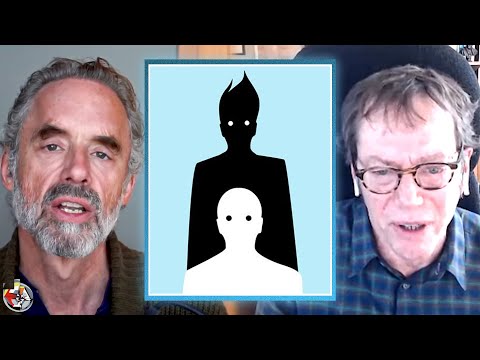
You know that feeling when something just doesn’t sit right with you?
Like, maybe there’s a part of you that you kinda push aside?
That’s your shadow self.
It’s not some spooky monster lurking in the dark. It’s more like that hidden side of you, filled with all those feelings and thoughts you’d rather ignore.
But here’s the thing: embracing it can seriously boost your growth.
I mean, it sounds wild at first, but facing those hidden spots can bring some light into your life.
You might even find some pretty cool stuff about yourself along the way!
So, let’s chat about what it means to embrace that shadow self and how it can help you move forward—no judgment, just real talk.
Exploring the Shadow Self: Understanding Its Role in Psychology and Personal Growth
Exploring your shadow self is like opening a door to parts of yourself that you might not always want to see. We all have this hidden side that, you know, holds onto our fears, desires, memories, and even traits we don’t like or wish we didn’t have. Understanding the shadow self can be a big step toward personal growth.
So what exactly is the shadow self? Well, it’s a term coined by psychologist Carl Jung. Basically, he believed that everyone has a part of their psyche—like an inner secret—that contains all the stuff we’ve pushed away or denied. You know how sometimes you get really mad over something small? That anger could be tied to deeper issues you’ve tucked away. It’s like when you shove old clothes under your bed instead of donating them; they’re still there, lurking.
Now, let’s talk about how engaging with your shadow can actually help you grow. When you start examining these hidden parts of yourself, it creates space for self-awareness and healing. You’re not just brushing things under the rug anymore. Instead, you’re looking at them head-on. Imagine realizing that your fear of failure comes from a childhood experience where you felt criticized. Recognizing it can help you change how you approach new challenges in life.
Here are a few key points about embracing your shadow self:
- Acknowledge its existence: The first step is just admitting that this part of you exists.
- Explore without judgment: Try to understand why those feelings are there without being too hard on yourself.
- Express yourself: Find ways to let out those hidden emotions—journaling or talking to someone helps!
- Use it for growth: Use what you’ve learned about your shadow self to make more conscious choices moving forward.
It can be scary digging into this stuff but think about it: the more aware you become of what’s lurking in the shadows, the less power those negative feelings hold over you. You become more authentic and comfortable in your own skin.
I remember a friend who always struggled with anger. It wasn’t until she started therapy that she realized her anger was masking deep sadness from her past—a loss she never fully processed. Once she opened up about it and faced those emotions instead of pushing them down all the time, she found herself feeling lighter and much happier.
Exploring your shadow self isn’t just an exercise in psychology; it’s also deeply personal and emotional work. The journey takes time and maybe even some tears! But eventually, it can lead to greater empathy for yourself and others. As you embrace these shadows instead of running away from them, you’re not just changing; you’re evolving into someone truer and more resilient.
In short? Your shadow self isn’t something to be afraid of—it’s an integral part of who you are! Embrace those dark corners; they might shine light on paths to personal growth that you’ve been longing for without even knowing it!
Understanding Carl Jung’s Concept of the Shadow: Unlocking Inner Self and Personal Growth
So, let’s chat about Carl Jung’s concept of the shadow. You know, it sounds a bit mysterious, but it’s really about the parts of ourselves we tend to hide or ignore. Jung believed that our “shadow” includes all those traits and feelings we don’t want to acknowledge. Yeah, the stuff you might call your “dark side.”
Why does this matter? Well, when we refuse to recognize these parts of ourselves, they can influence us in sneaky ways. Maybe you feel sudden anger when someone criticizes you because that anger is part of your shadow. It’s not just about being mean or rude; it’s about unexamined feelings bubbling up when you least expect them.
Understanding your shadow isn’t just psychological jargon; it’s pretty essential for personal growth. Embracing these hidden aspects can lead you to a more authentic and balanced self. Instead of fighting against yourself, you learn to integrate those parts into your life.
Here’s the deal: facing your shadow means looking at those uncomfortable feelings and traits. It can be tough! Maybe you have a friend who always seems overly critical? You might find it easier to blame them instead of recognizing that critical voice in yourself too. Acknowledging that similarity can be hard but also freeing.
Think of it like this: imagine you’ve been carrying around a backpack full of rocks—each rock being an aspect of yourself you don’t want to deal with. The longer you carry it, the heavier it gets. But what if one day, instead of ignoring that weight, you took some time to see what’s inside? You might find some really interesting things!
And here’s something wild: once people start embracing their shadows, they often feel lighter! They begin to make choices based on self-awareness rather than fear or shame. This doesn’t mean digging up old traumas every day—it means understanding how those experiences shape us.
Implementing this concept isn’t an overnight process either—let’s be honest here! You could try journaling about moments when you felt triggered or upset. What emotions come up? Those reactions often point back to your shadow self.
In therapy or self-reflection spaces, talking about these things openly helps too. Bringing those hidden traits into the light reminds us we’re all a bit messy underneath all that polish we try so hard to show the world.
To sum things up, embracing your shadow leads to deeper self-acceptance. The more you understand these hidden pieces, the better equipped you’ll be for personal growth and relationships with others. Seriously—you may end up finding strength in vulnerability!
Embracing Your Shadow Self: Unlocking the Power of Self-Discovery and Healing
Embracing your shadow self might sound a little spooky, but really, it’s about getting to know the parts of yourself that you usually keep hidden. Think of the shadow self as the stuff lurking in your mind that you might not want to face—the fears, insecurities, or even those less-than-great impulses. Understanding these aspects is like shining a light on them so that they don’t control your life from the dark.
When we talk about the shadow self, we can’t ignore Carl Jung. He was this Swiss psychiatrist who believed that everyone has a shadow. He thought it was vital for personal growth to confront these hidden parts. Basically, if you keep ignoring your shadow, it can manifest in ways you don’t want—like anger outbursts or anxiety.
So what does embracing your shadow actually involve? Here are some key points:
- Acknowledge Your Feelings: Let’s say you’ve been feeling jealous of a friend’s success. Instead of shoving that feeling aside and pretending everything’s fine, try to understand where it’s coming from.
- Reflect on Your Behaviors: Maybe you find yourself snapping at people for no reason. Instead of brushing it off as a “bad day,” think about what’s really bothering you underneath.
- Practice Self-Compassion: It’s easy to be hard on yourself when you discover these less-than-perfect traits. But hey, everyone has shadows! Give yourself a break.
- Express Yourself: Journaling can be super helpful here. Write out what you’re feeling without judgment; just let it flow.
You see, when you embrace these parts of yourself rather than hide them away, you’re tapping into some serious power for healing and growth. You start recognizing patterns and triggers that have been running your life behind the scenes.
Let me tell ya—a friend of mine once shared how she had this nagging habit of people-pleasing that left her totally drained. She started recognizing this pattern as part of her shadow self and began taking small steps to say “no” more often. It felt uncomfortable at first but eventually turned into a liberating experience for her.
The real magic happens when you integrate these parts into your life rather than letting them rule your decisions. You begin seeing them as teachers instead of demons to fight against. Seriously! You’re unlocking layers within yourself that are just waiting for recognition and acceptance.
In the end, embracing your shadow self isn’t just about facing fears; it’s also about enhancing your strengths! When you bring those hidden pieces into light—oh man—you become more whole and authentic as a person.
So remember, diving into this journey can feel overwhelming at times but hang tight—it’s all part of growing and healing in ways that ultimately lead to becoming the best version of yourself!
You know, we all have those parts of ourselves that we don’t really want to talk about. The shadow self, as some folks in psychology call it, is basically the stuff we keep hidden away. Think of it like that mysterious closet in your home—you know what’s in there isn’t all sunshine and rainbows, but it’s hard to face it.
I remember once when I was feeling super low and a friend suggested diving into those darker feelings instead of just ignoring them. At first, I was like, “No way! That sounds scary!” But honestly? When I finally faced those emotions—like anger or fear—it was like turning on a light in that dark closet. It wasn’t easy; there were a lot of cobwebs and old boxes filled with outdated beliefs about myself. But getting to see everything clearly helped me feel more whole.
Embracing your shadow self isn’t just about sitting with uncomfortable feelings; it’s also an opportunity for growth. You start understanding why you react a certain way when you’re triggered or why certain habits keep popping up. Like, maybe you find out that your fear of failure is tied to something that happened years ago. Acknowledging this stuff can be really liberating.
But here’s the thing: this journey isn’t linear. There are days when you’ll feel empowered and others when you just want to hide from it all again. And that’s totally okay! Growth happens slowly, often in fits and starts.
By giving yourself permission to explore these shadows, you create space for all the beautiful parts of yourself too—those strengths and qualities that make you unique. It’s not about becoming perfect; it’s about being real with yourself.
So if you’re feeling stuck or overwhelmed by negative feelings, maybe consider peeking into your shadow self? It might just be the key to unlocking a fuller version of who you are!