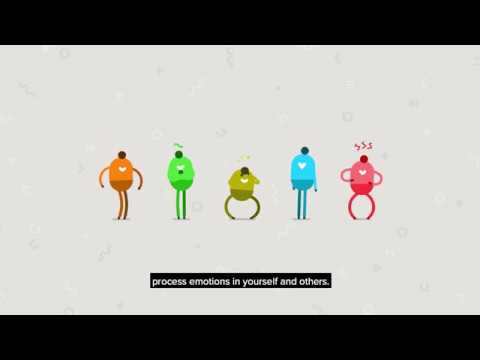
Emotional intelligence, huh? Sounds fancy, but it’s really just about understanding your feelings and the feelings of others.
You ever been in a situation where you could just feel the tension in the air? Or maybe you’ve had a friend burst into tears, and you didn’t know how to react. Yeah, that’s emotional intelligence at play.
It helps you connect better with people and can even boost your mental health. Seriously!
So let’s chat about some essential psychology tools that make testing this stuff way easier. It’s all about getting to know yourself and those around you better. Sound good?
Unlocking Emotional Intelligence: Discover the 5 C’s That Can Transform Your Well-Being
Emotional intelligence is one of those buzzwords you hear a lot nowadays, right? But seriously, it’s super important for your well-being. Think of emotional intelligence as your ability to understand, use, and manage your own emotions while also recognizing and influencing the emotions of others. This skill can totally change how you interact with the world around you.
Now, let’s jump into the 5 C’s that really help in boosting emotional intelligence. Each one offers a way to unlock a healthier state of mind.
- Clarity: This one’s all about being aware of your feelings. It means knowing what you’re feeling and why. For example, if you’re feeling anxious before a meeting, instead of brushing it off, take a moment to think about what’s causing that anxiety. Is it fear of judgment? Or maybe just not being prepared? Being clear about your emotions helps in managing them better.
- Compassion: Compassion is more than just being nice; it’s understanding others’ feelings. When someone shares their struggles with you, like losing their job or dealing with family issues, show empathy. It creates stronger bonds and makes both parties feel understood. You know how comforting it is to have someone who just gets it?
- Courage: Facing your feelings takes guts! Sometimes it’s easier to shove emotions down than deal with them head-on. Let’s say you’re hurt by a friend’s comment; having the courage to express how it made you feel can strengthen your relationship rather than letting resentment fester.
- Connection: We’re social creatures at our core! Building connections means nurturing relationships and surrounding yourself with supportive people who lift you up when times are tough. Like having that friend who’s always there for coffee after a rough day—those moments really matter!
- Commitment: Finally, commit to improving your emotional skills. Just like any other skill, emotional intelligence takes practice. So whether it’s journaling about your feelings or participating in groups that focus on emotional growth, committing yourself gives results over time.
So yeah, these 5 C’s—Clarity, Compassion, Courage, Connection, and Commitment—aren’t just fancy words; they’re tools you can actually use in everyday life to boost your emotional intelligence and overall well-being.
When I think back on my own journey learning about emotions—there was this one time I had an argument with my best friend over something silly but deep down we were both just hurt by old baggage we carried from past experiences! Instead of letting that push us apart further, we used courage to talk through it honestly and cleared the air. The connection we built afterward was priceless.
In short, working on these 5 C’s can lead to more fulfilling relationships and a better understanding of yourself—and who doesn’t want that? Just remember: it might feel uncomfortable sometimes but stepping out of your comfort zone is where the real growth happens!
Top Tests to Measure Emotional Intelligence: A Comprehensive Guide
Emotional intelligence (EI) is all about how well you understand and manage your emotions, as well as those of others. It’s like having a superpower when it comes to relationships, communication, and just getting along in life. There are some great tests out there that can help measure this vital skill. Let’s jump into the top ones!
The Emotional Quotient Inventory (EQ-i) is one of the most recognized assessments. It looks at different aspects of emotional intelligence, like self-perception and interpersonal skills. You answer a bunch of statements about yourself, and it gives you a score across various categories. This can really help you identify your strengths and areas for growth.
Mayer-Salovey-Caruso Emotional Intelligence Test (MSCEIT) is another biggie. This one’s interesting because it focuses on your ability to recognize emotions in yourself and others. It includes tasks like identifying emotional responses in different scenarios. So, think of it as a way to see how well you can read a situation, which is super helpful in social interactions.
Bar-On Emotional Quotient Inventory, or Bar-On EQ-i, has been a staple in EI measurement for years. It dives into how you perceive yourself emotionally and socially—like your stress management abilities or adaptability. It’s kind of like taking an emotional selfie!
Another useful tool is the Trait Emotional Intelligence Questionnaire (TEIQue). This one measures aspects that contribute to overall emotional intelligence but from a personal perspective, such as self-control or empathy. Basically, it asks how you feel about your ability to handle emotions.
Let’s not forget the Schutte Self-Report Emotional Intelligence Test (SSEIT). This test might seem straightforward; it consists of 33 questions where you agree or disagree with statements about yourself regarding emotions and social situations. The results can help you see if you’re more emotionally aware than you’d thought.
Finally, there’s the Emotion Regulation Questionnaire (ERQ). While not strictly an EI test per se, it’s focused on how well someone manages their emotions—especially during tough times. Think about being able to keep cool under pressure; that’s what this one’s measuring.
In short, these tools can be pretty powerful when trying to get a grip on emotional intelligence. Whether you’re looking to boost your personal relationships or enhance your professional skills, knowing where you stand emotionally makes all the difference! Remember though: tests are just snapshots—they don’t define who you are as a person but can guide you toward better understanding yourself and those around you!
Top Tools for Assessing Emotional Intelligence: A Comprehensive Guide
Emotional intelligence (EI) is all about understanding your feelings and the feelings of others. It’s like having a superpower when it comes to navigating social situations. So, assessing emotional intelligence can help you not just in work, but in life too. Here are some top tools for figuring it out.
1. Emotional Quotient Inventory (EQ-i)
This is one of the most well-known assessments out there. The EQ-i measures different aspects of emotional intelligence, like self-regard and empathy. You answer a series of statements on a scale from “not true” to “very true.” It gives you a nice breakdown of where you shine and where you could improve.
2. Mayer-Salovey-Caruso Emotional Intelligence Test (MSCEIT)
The MSCEIT is pretty unique because it focuses more on how well you handle emotions rather than just your self-reporting. It consists of tasks that require you to identify emotions in pictures or solve emotionally charged problems. It’s like taking a mini-emotional exam!
3. Trait Emotional Intelligence Questionnaire (TEIQue)
This one looks at your emotional traits overall—like how you cope with stress or interact with others. Responses come from how you feel about certain situations, so it gives a personal touch to your assessment.
4. Genos Emotional Intelligence Inventory
You might find this tool quite interesting because it involves other people too! This inventory asks peers and bosses to rate your emotional skills from their perspective, which can reveal blind spots that you might not see yourself.
5. Schutte Self-Report Emotional Intelligence Test
The Schutte test is simple and quick! It takes only about 10 minutes to fill out and focuses on your ability to recognize, understand, and manage emotions both in yourself and others.
Now, why bother using these tools? Think back to that time when you had an argument with someone close—you know the one where feelings were flying everywhere? Recognizing why that happened often connects back to emotional intelligence. These assessments can help shed light on those dynamics.
But remember, these tools aren’t perfect either! They’re kind of snapshots in time; they can give insights but won’t tell the whole story about who you are or how much you’re growing emotionally over time.
Using these assessments wisely can open doors for personal development and improved relationships. And hey, if you’re wondering what comes next after assessing your EI? Well, working on those areas will surely make life feel a bit easier—and maybe even more fulfilling too!
You know, emotional intelligence (EI) has been a hot topic for a while now. It’s all about understanding your own feelings and those of others, and how that impacts relationships. Seriously, that stuff can totally change the way we interact with the world.
So, when you think about testing emotional intelligence, there’s some pretty cool psychology tools that come into play. One of the most well-known ones is the Emotional Quotient Inventory (EQ-i). It’s basically this self-report measure that helps you assess your emotional and social skills. I remember when my friend took it out of curiosity. She was blown away by how it highlighted aspects of her personality she had never really thought about before!
But there are also more hands-on approaches like situational judgment tests. These ask how you’d handle specific scenarios—like what would you do if a colleague was upset? It’s kind of like putting yourself in someone else’s shoes, ya know? And that’s crucial because empathy is such a big part of EI.
Then there are performance-based assessments too. They look at how you actually deal with emotions in real-life situations rather than just asking questions. I mean, anyone can answer multiple-choice questions, but seeing how we interact with people really tells the story.
The thing is, not everyone realizes that these tools are as much about self-discovery as they are about evaluation. When we dig into our emotional selves through these assessments, it can feel like peeling back layers of an onion—or whatever metaphor works for you! At first, it might sting a little; but ultimately, it’s freeing to understand where you’re at emotionally.
And hey, even if these tools seem clinical or daunting at first glance, they offer insights that can pave the way for growth—both personally and professionally. If you approach them with an open mind and heart, who knows what breakthroughs await? Emotional intelligence isn’t just something to check off your list; it’s this ongoing journey where every bit helps us become better communicators and friends.
So yeah, whether you’re taking one of those tests or just reflecting on your own emotions in daily life, remember: it’s all part of being human and trying to connect with each other in this crazy world!