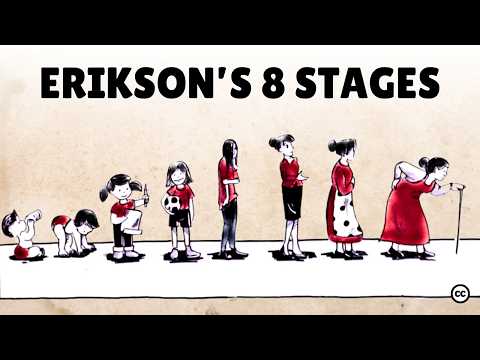
You know how life can feel like a series of checkpoints? Like, there are these moments where you really gotta figure stuff out, or you’re just kind of lost? That’s where Erikson comes in.
He’s this guy who broke life down into stages. Each stage has its own little crisis. And trust me, they can hit hard! Understanding these crises can be a game changer for your mental health.
So let’s chat about it! We’ll dive into how these psychosocial crises play out in our lives and why they matter.
Understanding Erikson’s Fifth Psychosocial Crisis: Resolution Strategies and Insights
Understanding Erikson’s Fifth Psychosocial Crisis is, like, all about figuring out who you are in your late teens and early adulthood. This stage is called **»Identity vs. Role Confusion,»** and it’s super important for shaping your sense of self. You might be asking, what does that even mean? Well, let me break it down for you.
In this stage, which Erikson said usually happens from around ages 12 to 18 (but can extend into the 20s), you’re trying to figure out your identity—like who you are, what you want in life, and where you fit in the world. It’s a time when you’re questioning everything: your beliefs, your values, maybe even your friendships.
So why does this matter? If you successfully navigate this crisis, you’ll come out with a strong sense of self and direction. But if you’re struggling, it can lead to confusion about your role in life. Like I had a friend who felt lost after high school because he didn’t know if he wanted to go to college or just start working. He ended up bouncing between jobs and majoring in different things until he finally figured out that he loved graphic design.
Now let’s get into some resolution strategies to help with this whole identity thing:
- Self-Reflection: Seriously take time to think about what matters most to you. Journaling can help here.
- Explore Different Roles: Try new things! Join clubs, take classes—figure out what resonates with you.
- Talk It Out: Share feelings and thoughts with friends or family. Sometimes just hearing someone else’s perspective is a game changer.
- Set Goals: Look forward by setting personal goals that align with who you think you want to be.
The thing is, **identity formation** isn’t just about choosing a career path or a belief system; it’s also emotional! You might feel joy when discovering something new about yourself but also frustration as friends diverge on their paths. It’s perfectly normal!
Erikson believed that this crisis is heavily influenced by the people around us too—like family and friends sharing their views—so keep an open mind during those discussions.
In essence, navigating Erikson’s fifth crisis can feel like being on a rollercoaster ride full of twists and turns. But guess what? This journey helps shape your future self! Embracing it rather than avoiding those big questions can lead to richer experiences later on in life.
So remember: allow yourself the time and space for growth during these years. Your sense of identity might not come overnight—it often unfolds slowly like pages turning in a book!
Understanding the Erikson Psychosocial Approach: Key Concepts and Stages Explained
Erik Erikson was a psychologist who came up with a really interesting way to look at how we grow and change throughout our lives. He believed that as we go through different stages, we face certain challenges or crises that shape who we are. It’s like each stage is a mini-adventure with its own ups and downs.
Let’s break this down into some key points about his psychosocial approach:
1. Eight Stages of Development: Erikson identified eight key stages, each characterized by a specific conflict. For instance, in infancy, the battle is between trust vs. mistrust. If caregivers provide reliability, you learn to trust the world. If not, mistrust can follow you.
2. Lifespan Perspective: Unlike some theories that focus only on childhood, Erikson’s model spans your entire life—starting from birth all the way to old age. This means you’re always evolving and dealing with new challenges.
3. Social Interaction Matters: According to Erikson, each stage revolves around social relationships, not just internal conflicts. So your experiences with family, friends, and society play a huge role in how you navigate life.
4. Successful Resolution leads to Strengths: If you manage to handle these crises well, you develop strengths or virtues that help you later on—for example, developing courage, wisdom, or integrity. But if not? You might carry unresolved issues that affect future relationships and decisions.
Now let’s take a look at those eight stages in detail:
- Stage 1: Trust vs Mistrust (Infancy) – You’re learning whether the world is a safe place.
- Stage 2: Autonomy vs Shame/Doubt (Early Childhood) – This is where you’re figuring out if you can do things on your own.
- Stage 3: Initiative vs Guilt (Preschool Age) – Here comes your desire to take charge; it’s about leading plays or trying new activities!
- Stage 4: Industry vs Inferiority (School Age) – You’re striving for competence; schoolwork becomes crucial.
- Stage 5: Identity vs Role Confusion (Adolescence) – This one’s huge! You’re figuring out who you really are.
- Stage 6: Intimacy vs Isolation (Young Adulthood) – You’re looking for deep relationships; finding your “person” matters.
- Stage 7: Generativity vs Stagnation (Middle Adulthood) – Time to give back! You want to contribute meaningfully—maybe through parenting or community work.
- Stage 8: Integrity vs Despair (Late Adulthood)– At this stage, it’s reflection time; are you satisfied with your life?
So why does this matter? Understanding these stages can seriously impact mental health care. For example, if someone feels stuck in their identity crisis during adolescence, they might struggle with anxiety or depression later on. Therapists often draw upon these concepts to help people reflect on where they might be struggling in their lives.
To wrap things up—Erikson’s psychosocial approach is all about understanding that life is full of these developmental challenges that shape us over time. And maybe by recognizing where we’re at in those stages can help us better cope and grow through what life throws our way!
Understanding Erikson’s Psychosocial Crisis: Navigating Life’s Key Developmental Stages
Erik Erikson was a psychologist who really opened up how we think about personal development through life. He came up with this cool idea called the **psychosocial crisis**, which basically means there are big challenges we face at different stages of our lives that help shape who we are.
Trust vs. Mistrust is the first stage, and it kicks off when you’re a baby. If your caregivers respond to your needs reliably, you’ll feel secure and develop trust in the world. But if they’re inconsistent or neglectful, well, you might end up feeling suspicious and anxious about what’s to come.
Now, moving on to Autonomy vs. Shame and Doubt. This happens during toddlerhood. Kids start testing their independence—like saying “no” or trying to go potty on their own! When parents encourage this exploration, kids gain confidence. But if they get overly criticized or controlled, they might feel shame about their abilities.
Then comes Initiative vs. Guilt, usually around ages three to six. Kids get creative and start taking initiative in play and other activities. It’s all about learning how to lead without stepping on others’ toes! If parents support this initiative, kids grow up feeling capable. If not, they can end up feeling guilty for wanting to act.
As children grow into Industry vs. Inferiority, which happens from ages six to twelve, they focus on mastering skills like reading and writing—basically figuring out what they can achieve compared to peers. Success gives them a sense of pride; failure can lead them to feel inferior.
When teenagers hit the stage called Identity vs. Role Confusion, it’s all about exploring who they are and what they want from life—you know? They’re trying out different roles like hobbies or even styles before figuring out their identity for real. A strong sense of self leads to good mental health; confusion can create turmoil.
As young adults transition into Intimacy vs. Isolation, it’s a time for forming deep relationships and committing to others—romantically or platonically! If successful here, people build connections that enrich their lives; failing can lead to feelings of loneliness.
In middle adulthood, folks face Generativity vs. Stagnation. It’s all about creating something lasting—like raising kids or giving back through work or community service! If people feel productive and useful, that breeds satisfaction; but if not, they might feel stagnant or unfulfilled.
Finally, in old age comes Integrity vs. Despair. People step back and look at their lives as a whole—did they do what mattered? Did those years count? Finding fulfillment leads to wisdom; regretting choices can bring despair instead.
So why does understanding these stages matter? Well, recognizing where someone is in Erikson’s framework helps in understanding the challenges they’re facing mentally—or even emotionally! Like when you’re working through issues in therapy—they could be linked back to one of these stages.
Navigating these crises is tough for sure! Each stage impacts your mental health in various ways throughout life’s journey—you know? And being aware of it all allows you not just to survive but also thrive along the way!
So, let’s chat about Erikson’s psychosocial crises. You know, he was this brilliant dude who came up with this theory about how we develop throughout our lives. It’s not just about getting older but also figuring out who we are at each stage. Every crisis he described is like this little challenge that pops up, and how we deal with it shapes our mental health.
Take, for example, the first stage: trust versus mistrust. Imagine a baby—yep, that’s you back in the day! If your caregivers were warm and responsive, you grow up feeling secure and ready to face the world. But if they weren’t, then you might feel anxious or distrustful as an adult. It’s wild how those early experiences stick with us, isn’t it?
Then there’s that awkward phase of adolescence—identity versus role confusion. Oh man, I remember those days! You’re trying to figure out who you are while everyone else seems to have it all sorted out. It can be messy and confusing. Some people come out of it knowing themselves well; others? Not so much—it can lead to issues later on.
But here’s where it gets really interesting: dealing with these crises doesn’t stop when we reach adulthood; they keep coming back like a boomerang! Think about intimacy versus isolation in young adulthood or generativity versus stagnation in middle age. If you struggle or avoid addressing these challenges, your mental health might take a hit.
And honestly? A lot of folks don’t even realize they’re in the middle of these crises! You might be feeling kinda lost or anxious and wonder why—when really it could be that you’re grappling with one of Erikson’s stages without even knowing it.
I had a friend once who went through something like this—a major identity crisis after college when everything felt uncertain. That moment pushed her to seek therapy, which helped her navigate those feelings and ultimately find her path again. She went from confusion to clarity simply by acknowledging what she was facing.
The thing is, understanding Erikson’s framework can be super helpful in your journey through mental health struggles. It’s like having a map when you’re lost—you know there are places you need to go through to get where you want to be. So when you’re feeling overwhelmed or stuck, maybe pause for a second and think: “What stage am I navigating right now?” That awareness can bring some serious relief.
Life is complicated enough without feeling lost in our own heads—knowing which psychosocial crisis you’re facing could give you insight and help direct your self-care strategies better too! And hey, don’t forget it’s totally okay to seek help along the way—that’s not weakness; that’s strength!