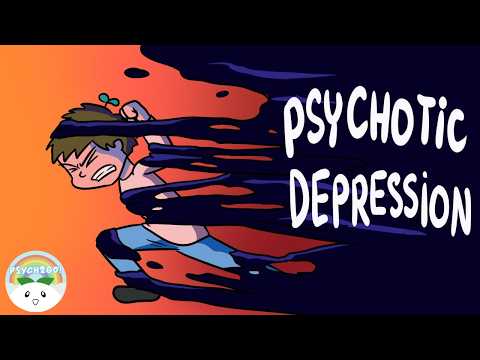
You know that feeling when everything just feels off? Like, you can’t quite put your finger on it but something’s not right?
Well, psychotic depression can be a lot like that but way more intense. It mixes those heavy feelings of depression with some pretty wild stuff, like hallucinations or delusions.
Imagine waking up one day and feeling so low that even getting out of bed feels like climbing a mountain. Then, on top of that, your mind starts playing tricks on you! You might hear voices or see things that aren’t really there. Yeah, it’s rough.
So let’s chat about it. Recognizing the symptoms is the first step toward understanding what’s going on in your head—or helping someone else who might be struggling. It’s important stuff!
Understanding Psychotic Depression: Key Symptoms to Recognize and Address
Psychotic depression, you say? Yeah, it’s a pretty heavy topic, but understanding it can really help if you or someone close to you is feeling off. It’s more than just feeling sad; it’s a serious condition where depression and psychosis mix together.
So, let’s break this down. First off, what does psychotic depression look like? Well, it combines classic symptoms of depression with some pretty intense experiences that might seem like a break from reality. Here’s what you might notice:
- Depressive Symptoms: You’ll usually see the typical signs of major depression: feeling hopeless, losing interest in things that used to be fun, trouble sleeping or sleeping too much, and maybe even thoughts of worthlessness.
- Psychotic Features: This is where things get tricky. People may have hallucinations (like hearing voices or seeing things that aren’t there) or delusions (strong beliefs that aren’t based in reality). For example, someone might think they’re being watched or believe they’re responsible for something terrible happening—even if there’s no evidence to back it up.
- Suicidal Thoughts: Seriously, this can be a life-or-death situation. When you’re feeling both depressed and experiencing these intense symptoms, thoughts about ending your life might pop up more often. If this happens—reach out for help!
- Cognitive Issues: Psychotic depression can mess with your thinking processes. You could find it hard to concentrate or remember things, which just adds another layer of frustration.
- Anxiety and Agitation: Sometimes there’s this creeping anxiety that tags along with the depressive feelings. You might feel restless or on edge without even knowing why.
Now let’s chat about an emotional angle here. Imagine someone named Sarah—she used to light up a room with her laughter. But then one day she just… wasn’t herself anymore. She stopped doing the hobbies she loved and couldn’t shake off this heavy cloud over her head. On top of that, Sarah started hearing whispers telling her she was worthless. It makes sense why she felt terrified and isolated; who wouldn’t want to hide from something so intense?
Addressing psychotic depression is essential because it’s complicated by those two different components: the deep emotional pain of depression mixed with distortions in perception caused by psychosis.
Treatment usually involves a combination of therapy and medication—think antidepressants plus antipsychotics—to help stabilize mood and clear out those confusing thoughts.
If you ever feel overwhelmed by any combination of these symptoms—or see someone else struggling—don’t hesitate to reach out for help! Talking to a professional is one step closer to finding clarity and support in this foggy situation.
The thing is—knowing the signs can save lives; understanding it better helps navigate through the darkness together!
Understanding Psychotic Depression: Take Our Interactive Test to Assess Your Symptoms
Psychotic depression is a tough topic. It’s one of those things that can feel overwhelming—like you’re trapped in a dark cloud, and reality seems to slip away. So, let’s break it down.
First off, **what is psychotic depression?** It’s basically when someone experiences major depressive symptoms along with some form of psychosis. Think hallucinations or delusions. It’s not just feeling sad; it’s that sadness mixed with confusion or paranoia about what’s real.
When you’re feeling this way, it’s natural to wonder if you might be experiencing the symptoms. That’s where an interactive test can come into play. These tests aren’t definitive but can help pinpoint areas you might want to pay attention to.
Here are some common **symptoms** of psychotic depression:
- Persistent sadness: Like, you’re feeling down most days for weeks or even months.
- Loss of interest: Things that used to excite you? They feel dull now.
- Hallucinations: Hearing things that aren’t there or seeing stuff that confuses you.
- Delusions: Strong beliefs about things that don’t really line up with reality—like thinking people are plotting against you.
- Anxiety: This could be racing thoughts or excessive worry.
So, picture this: Jessica loved painting, but after a tough breakup, she couldn’t pick up her brushes anymore. Instead of expressing her feelings through art, she sat alone in her room for weeks, convinced everyone around her was talking about her behind her back. That mix of deep sadness and paranoia? That’s what psychotic depression can look like.
Now let’s get to the interactive test bit. If you’re curious or worried about these symptoms—maybe they’re affecting your life—you might find value in taking an assessment online. Just remember: it won’t give you a full diagnosis; for that, you’ll need a chat with a mental health professional.
They might dive deeper into your experience and help figure out the best path for treatment, like therapy or even medication if needed.
And just so we’re clear: **ok**, experiencing these symptoms doesn’t mean you’re weak or crazy; it means you’re going through something serious but very real. And reaching out for help? That shows strength.
If any of this resonates with you or someone close to you leaves those heavy emotions lingering—we’re talking about worthlessness and hopelessness—it could be time to reach out for support.
You’ve got options! You don’t have to go through this alone; there are folks ready and waiting to help guide you through the fog!
Understanding the Dangers of Psychotic Depression: Signs, Symptoms, and Treatment Options
Psychotic depression is a pretty heavy topic, but it’s essential to shed some light on it. Imagine feeling a deep sadness that just won’t lift, but on top of that, you’re also experiencing things that aren’t real. It’s like being trapped in an emotional storm where everything feels dark and distorted. Let’s break this down.
What is Psychotic Depression?
Basically, it’s a combination of major depressive disorder and psychosis. You might feel hopeless and worthless while also having hallucinations or delusions. It’s overwhelming, for sure.
Signs and Symptoms
Here’s what to look out for:
- Persistent Sadness: Feeling so low that it’s hard to get out of bed.
- Disinterest: Activities you once enjoyed? Now they seem pointless.
- Sleep Issues: Either sleeping too much or not at all.
- Delusions: Holding onto beliefs that aren’t based in reality—like thinking everyone is plotting against you.
- Hallucinations: Seeing or hearing things that aren’t there—like voices telling you negative things about yourself.
It’s tough, trust me. A friend of mine went through something similar; he kept hearing a voice after losing his job, insisting he was a failure. That kind of weight can crush you.
The Dangers
Now let’s talk about why this matters even more than the symptoms alone. Psychotic depression can lead to risky behaviors because when someone’s mind is clouded by both depression and false perceptions, they’re vulnerable—like making decisions that could harm themselves or others. Plus, there’s the risk of self-harm or suicidal thoughts looming over them like dark clouds.
Treatment Options
So here’s the silver lining—there are ways to get through this!
- Therapy: Cognitive-behavioral therapy (CBT) can help challenge those negative thoughts and beliefs.
- Medications: Antidepressants paired with antipsychotics can be really effective in managing symptoms.
- A Support Network: Having friends and family who understand what you’re going through can make a huge difference.
You know, it might feel like there’s no way out when you’re in the thick of it—like being lost at sea—but with support and treatment, you can find your way back to shore.
In short, psychotic depression isn’t just sadness; it’s a complex condition wrapped up in overwhelming thoughts and feelings. Recognizing the signs early can lead to better outcomes. So if you or someone you know shows these symptoms, don’t hesitate to reach out for help—you don’t have to navigate this alone!
You know, psychotic depression isn’t something people talk about all that often, but it can be pretty rough. Picture this: You’re feeling completely down in the dumps, like you’re stuck in a really dark tunnel. On top of that, your mind starts playing tricks on you—seeing things or hearing voices that aren’t there. That’s psychotic depression for you.
When you think about it, recognizing those symptoms can be tough. It’s more than just sadness; it’s like a heavy blanket smothering you while your mind throws in some bizarre detours. You might feel hopeless and trapped in a spiral of despair that seems impossible to escape. And then there’s the paranoia or delusions—those moments when reality feels like it’s slipping away from you.
I remember a friend who went through something like this. One day she seemed fine; we were laughing and joking around over coffee. Then out of nowhere, she opened up about these awful thoughts racing through her head—thoughts that made her feel like she was losing her grip on everything real. I had no idea how to respond at the time, but looking back, I realize how trapped she must have felt—and how important it is to recognize those signs early on.
So if you or someone you know seems to be struggling with feelings of despair mixed with confusion or hallucinations, don’t brush them aside as just “having a bad day.” It’s serious stuff! Talking about it and getting help is crucial because no one should face something so heavy alone. You’ve got to reach out—whether it’s to friends, family, or professionals who get what you’re going through. Honestly, every little bit helps.