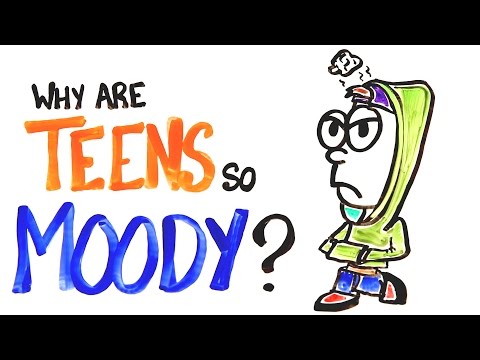
Puberty can be a wild ride, right? One minute you’re a carefree kid, and the next, everything feels like it’s on a rollercoaster. Mood swings hit outta nowhere—happy one moment, crying the next. Seriously, what’s up with that?
It’s not just you. It’s something everyone goes through. Your body and mind are changing fast. Sometimes it feels like you’re in a movie where the script keeps flipping.
But don’t sweat it! Let’s chat about what’s going on in your brain during this crazy time. Understanding these ups and downs can help you feel a bit more in control. So grab your favorite snack and let’s dig into this together!
Understanding the Psychological Impacts of Puberty: Navigating Emotional and Mental Changes
Puberty is that wild ride we all go through, and it changes you—like, a lot. Seriously. It’s not just about growing taller or getting hair in new places. It’s also about a ton of emotional ups and downs that can be a bit confusing. So let’s break it down.
First off, puberty usually kicks off around ages 9 to 14 for girls and 10 to 15 for boys. You start noticing changes both physically and emotionally, right? Your body is racing through transformations thanks to hormones, which can lead to mood swings that feel like riding a roller coaster you didn’t buy a ticket for.
Hormones play a huge role. During puberty, your body releases more hormones like estrogen and testosterone. These guys are responsible for a lot of what you feel inside your head as well as outside of it. For example:
- Increased irritability: Feeling grumpy over little things? Totally normal!
- Intense emotions: One minute you’re buzzing with joy, next you’re in tears; it’s all part of the deal.
- Identity exploration: You’re figuring out who you want to be—this can bring on confusion or anxiety.
Speaking of emotions, have you ever felt so overwhelmed with feelings that it’s hard to even pinpoint why? That’s because during this stage, your brain is going through some serious reorganization too. The prefrontal cortex, the area responsible for decision-making and regulating emotions, isn’t fully developed yet. So when you respond to situations impulsively or react strongly, remember—it’s normal!
Now let’s chat about social dynamics. As kids hit puberty, friendships change dramatically. You might find yourself wanting to fit in more than ever before. This brings its own set of stressors:
- Peer pressure: Whether it’s trying new things or dressing differently—fitting in is on the brain.
- Romantic interests: Suddenly liking someone can cause butterflies in your stomach but also make life way more complicated.
You know what makes it tougher? It’s often harder for adults to relate because they think back on their own experiences but forget those confusing moments! Sometimes they’ll say “just get through it,” while you feel like you’re standing at the edge of chaos.
Here’s one thing: bouncing ideas off someone, whether that’s friends or family members, can help make sense of everything swirling around in your mind. Talking openly about feelings does wonders—even if you think nobody gets it.
Let’s not forget anxiety and depression risks during this stage too! Puberty can trigger mental health issues due to all these wild changes happening at once. If feelings of sadness or worry hang around longer than they should—or interfere with daily life—it might be time to reach out for help.
And guess what? Therapy isn’t just for when things get really tough! Sometimes just having someone listen helps clarify those tangled thoughts swirling around up there.
To wrap things up here—puberty is messy but full of potential growth if navigated well. Just remember it’s okay not to have all the answers right away because we’re figuring this out together as we go along!
Understanding the Connection Between Puberty and Mood Swings: A Guide to Adolescent Emotional Changes
Puberty is like a wild rollercoaster of emotions, you know? It’s that time when your body is changing, and it’s not just the physical stuff. Your brain is also going through some serious transformations, which can lead to those epic mood swings. You might feel on top of the world one minute and then completely down the next, and that’s all part of the ride.
So, what’s actually happening during this time? First up, let’s talk hormones. When puberty kicks in, your body starts pumping out hormones like estrogen and testosterone. These little guys are essential for development but can mess with your emotional state big time. Imagine trying to find balance while someone keeps switching things up around you!
Here are a few ways puberty affects mood:
You might have moments where you’re totally pumped about hanging out with friends but then out of nowhere feel anxious or self-conscious. That’s because during puberty, peer relationships become super important. One day you fit in perfectly; the next day you’re feeling left out like an outsider at a party.
And hey, I’ve seen this play out in real life too! Like my friend Sam—last year he was all about joking around with his buddies after school but suddenly became quiet and withdrawn when something shifted in his friend group. It was hard to watch because he didn’t really know how to handle those changing feelings.
Coping with these Mood Swings can be tricky but there are some ways to manage them:
So basically, navigating puberty isn’t just about dealing with physical changes—it’s about confronting those ups and downs emotionally too. Just remember that these feelings are totally normal! Look for support if things get heavy. And if it feels like too much at any point—don’t hesitate to reach out for professional help; it really does make a difference!
Understanding the Psychological Impact of Pubertal Growth Spurts: Navigating Awkwardness and Self-Image Issues
Puberty, man, it’s a wild ride. One minute you’re a kid, and the next you’re awkwardly towering over your friends or shrinking in comparison. Seriously, that **growth spurt** can feel like a cosmic joke. Your body is changing, your emotions are all over the place, and let’s be real—sometimes it feels like everyone else has it figured out but you.
So what’s going on psychologically during this time? Well, when those growth spurts hit, a lot of teens experience awkwardness about their new bodies. One day you might feel like a lanky giraffe; the next, you’re not sure if you’re just too short or too tall for your new frame. This can really mess with your **self-image**.
Here are some key points to keep in mind:
Think back to when you were young and suddenly realized how weird being 13 felt compared to being 12—or even 14! For instance, my friend Mia shot up about six inches one summer while I was still waiting for my first growth spurt. She went from blending in to standing out like a sore thumb overnight! It made her self-conscious in ways she never expected; she would sometimes avoid hanging out with us just because she felt “too tall” or “too awkward.”
The challenge here isn’t just about how your body looks—it’s also about how you feel inside. Discomfort with these changes can lead to feelings of anxiety or depression; some kids go through phases where they isolate themselves as they try to figure it all out.
What do you do when this feels overwhelming? Here’s where **communication** plays an essential role—talking with trusted friends or family members can really help ease those feelings of isolation and confusion. Plus, engaging in activities that boost confidence—like sports or art—can be super beneficial for managing those turbulent emotions.
Ultimately, remember that navigating these growth spurts isn’t something you’ve gotta do alone! Everyone goes through changes at different paces; the key is learning how to embrace who you are becoming—and trust me, it gets better! So don’t sweat it too much during those awkward years; they’re just part of the journey into adulthood.
Navigating puberty feels like riding a rollercoaster, doesn’t it? One minute you’re up, feeling on top of the world, and the next you’re plunging down into a pit of confusion or irritation. Seriously, those mood swings can be intense! It’s like your emotions are playing a game of tag—one moment you’re laughing with your friends about something silly, and then your mom just looks at you wrong and boom! Instant meltdown.
What’s happening here is that puberty is such a big transition, with all sorts of changes going on in your body and brain. Hormones are surging through your system like they’re in a race. Testosterone and estrogen decide to crash the party, affecting everything from how you feel to how you react to stuff. You could feel excited one day and ready to cry over a minor inconvenience the next. It’s exhausting!
I remember my friend Sarah during this time; she had really bad mood swings too. One time we were planning a group outing, and she was totally pumped about it. But then out of nowhere, she started just snapping at everyone over little things. It was wild watching someone go from bubbly to stormy in seconds! We all kind of felt helpless but also understood—that uncertainty can make even the smallest issues feel like mountains.
Psychologically speaking, this emotional chaos is kind of normal. Your brain’s still figuring itself out—areas involved in emotions and decision-making aren’t fully developed yet. That means sometimes you might react without thinking things through or even out of proportion. Kind of like when you’re hungry and everything feels worse than it really is; same idea with emotions during puberty.
What helps? Talking about it is super crucial. Whether it’s with friends who get it or someone more seasoned like a family member or counselor—it matters! Sometimes just knowing you’re not alone can be so comforting.
Anyway, navigating this whole puberty thing isn’t easy—the shifts in mood come with the territory—but they don’t define who you are or where you’re headed. Embrace those ups and downs; they’re just part of figuring yourself out along the way!