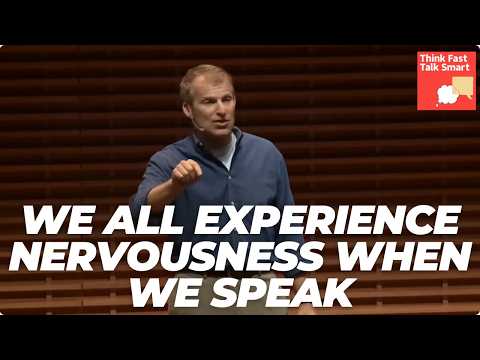
You know that feeling when your heart races at the thought of speaking in front of a crowd? Yeah, we’ve all been there.
Public speaking anxiety can feel like this huge wall standing between you and your voice. But it doesn’t have to be like that. Seriously.
There’s a whole world of psychological tips that can help you chill out and find your groove on stage. It’s about digging into what makes you tick and flipping the script on those nerves.
Imagine walking up to the mic with confidence instead of dread! You’re totally capable of conquering this thing, and I’m here to share how.
Overcoming Public Speaking Anxiety: Effective Psychological Insights and Strategies
Public speaking anxiety—man, it’s real, isn’t it? A whole bunch of people feel that knot in their stomach just thinking about standing up and talking in front of a crowd. But hey, you’re not alone. Lots of folks struggle with this. It’s a mix of fear and pressure, and it can really hold you back if you let it.
First off, understanding what’s going on in your brain can really help. When you think about speaking publicly, your amygdala, which is like the little alarm system for fear, kicks into gear. It’s all like “Whoa! Danger!” But the thing is, most of the time, there isn’t any real danger—just a bunch of people listening to your words. This reaction can make you feel anxious and jittery.
So how do you tackle this? Here are a few strategies that might just change the game for you:
- Practice: Seriously, this one’s huge! The more you practice your speech or presentation, the more comfortable you’ll feel. Try rehearsing in front of a mirror or record yourself. I remember when my friend Julia practiced her best man speech for weeks before her brother’s wedding. She nailed it!
- Visualize Success: Picture yourself up there doing great! Imagine yourself speaking clearly and confidently while everyone listens intently. Visualization can actually help calm those nerves.
- Focus on the Message: Shift your focus from how anxious you’re feeling to what you’re sharing with others. Think about how your message could help someone or spark an interesting conversation.
- Breathe Deeply: When anxiety hits hard, remember to breathe. A few deep breaths can make a world of difference before stepping on stage—or even during.
- Tame Negative Thoughts: Pay attention to those pesky thoughts that pop up when anxiety creeps in—“What if I mess up?” or “Everyone will laugh at me.” Challenge these thoughts! Ask yourself if they are really true.
- Start Small: If you’re super anxious about big crowds, start small! Try talking to a few trusted friends first or join a local group where you can practice in front of supportive people.
It’s funny—my buddy Tom used to freak out just thinking about giving presentations at work. He started practicing public speaking at meetups where everyone was learning together. Over time he became much more confident—you wouldn’t even recognize him now!
Also keep in mind that experiencing anxiety doesn’t mean you’re not good at public speaking; sometimes it’s just how we’re wired as humans! Just like anyone else, getting through this journey takes time and practice.
Incorporating these strategies into your routine could seriously help transform your experience with public speaking from nerve-wracking to empowering. And look—you never know; one day you might even find joy in sharing your ideas with others! That’s totally possible—and so worth it!
Overcoming Public Speaking Anxiety: Psychological Strategies for Success
Overcoming public speaking anxiety can feel like scaling a mountain, can’t it? That tightness in your chest, the sweaty palms—it’s a common struggle. But don’t sweat it! There are some effective psychological strategies to help you conquer those nerves.
Understand Your Anxiety. First things first, knowing what’s happening in your mind and body is crucial. This anxiety often comes from fear of judgment or failure. Recognizing these feelings just makes them less scary. Imagine standing in front of an audience, and instead of feeling paralyzed, you think, «Okay, I’m just feeling anxious about being judged.» It takes some power away from the fear.
Cognitive Restructuring is a fancy term for changing your thinking patterns. When those negative thoughts creep in—like “I’ll embarrass myself”—try flipping them around. Replace that thought with something real and positive: “I’ve prepared for this; I can do it.” This shift might seem small, but honestly, it’s huge for changing your mindset.
Practice Visualization. Picture this: You’re standing in front of the audience. Instead of imagining failure (which is so easy to do), visualize yourself delivering a great speech. See their positive reactions—the smiles or nods. It can help transform how you feel about actually being there when it’s showtime.
Another good one is progressive muscle relaxation. This method helps release tension before you step on stage or into that meeting room. Take a few minutes to systematically tense and then relax each muscle group, starting with your toes and working up to your head. It sounds silly at first but trust me—it really helps calm those nerves.
Then there’s exposure therapy, which isn’t as scary as it sounds! Basically, start small by speaking in low-pressure environments—like chatting with friends or presenting at a small gathering—and gradually work your way up to larger groups. Each time you do this, you’re building confidence bit by bit until public speaking feels like second nature.
Don’t forget about breathe techniques. Deep breathing is like magic for anxiety! Inhale deeply through your nose for four counts, hold for four counts, then exhale through your mouth for eight counts. Repeat this a few times before you speak; it calms the body and mind almost instantly.
Lastly, remember that even seasoned speakers experience nerves! Everyone feels some degree of anxiety; it’s part of being human. Acknowledge that you’re not alone in this struggle—you’re part of a pretty big club!
So when you’re gearing up for that next presentation or talk? Embrace these strategies: understand what you’re feeling, reshape those negative thoughts into positive affirmations, visualize success instead of failure, practice relaxation techniques, expose yourself gradually to speaking situations—and don’t skip out on deep breaths! With time and practice using these methods, you can turn that anxiety into energy and deliver something amazing!
Overcome Public Speaking Anxiety: Tips from a Dedicated Coach
Public speaking anxiety is a real and common struggle, and you’re not alone if it gets your heart racing. It’s that feeling of sweaty palms, butterflies in your stomach, and maybe even a little voice in your head saying, “What if I mess up?” The good news is you can overcome it! Here are some insights that might help.
First off, understanding your anxiety is key. You see, it’s natural to feel nervous before speaking to a crowd. Your body thinks it’s facing a threat—like you’re being chased by a bear or something! That’s why you experience those fight-or-flight symptoms. Recognizing that this anxiety is just part of being human can help you manage it better.
Another thing to consider is preparation. Knowing your material inside out can give you confidence. Picture this: think about an actor who learns their lines thoroughly before performing. Similarly, when you practice your speech multiple times, you’ll feel more comfortable with what you’re saying. So go ahead and rehearse in front of a mirror or even with friends!
Also, try focusing on the audience instead of yourself. Often we get so caught up in our own fears that we forget the people listening actually want us to succeed! Imagine their supportive faces encouraging you as you speak. This mindset shift can work wonders on those nerves.
It’s also helpful to use some relaxation techniques. Before stepping up to the podium, take deep breaths—in through your nose, out through your mouth. It sounds simple but can truly ground you when anxiety kicks in. Maybe visualization works for you too? Picture yourself delivering an amazing talk and getting applause at the end.
And don’t underestimate positive self-talk. Instead of thinking “I’m going to fail,” try switching that narrative to “I’ve got this!” Remind yourself of past successes—even small ones—and let those boost your confidence.
Lastly, consider seeking feedback after each experience. I remember a friend who used to dread public speaking but slowly improved by getting constructive criticism from peers each time he spoke. He learned what worked and what didn’t over time until he felt really good about standing in front of others.
So just remember: everyone faces public speaking anxiety at some point; it doesn’t define you or determine how good you are at sharing ideas! With practice and these handy tips in mind, conquering that fear becomes much more doable over time—trust me on that!
So, public speaking anxiety, huh? It’s that feeling when your heart races, palms get sweaty, and your brain feels like it’s running a marathon. You know what I mean? We’ve all been there—standing in front of a crowd, feeling like everyone is staring right through you. Some people even say it’s scarier than death! No pressure.
I remember this one time in college. I had to give a presentation on something pretty dry—like the history of paper or something equally thrilling. As I stood up there, my voice was shaky, and I felt this wave of panic hit me out of nowhere. It was like my brain turned into a scrambled mess of words. Super embarrassing! But that experience taught me a lot about managing that intense anxiety.
The psychology behind public speaking fear can be pretty fascinating. Basically, it boils down to a mix of fear of judgment and self-doubt. When you think everyone is scrutinizing your every move, it’s no wonder you freeze up! A good way to tackle this is through cognitive-behavioral strategies. Like, try changing the story you tell yourself before stepping on stage. Instead of thinking “They’re going to laugh at me,” flip it to “I’ve prepared for this and I have something valuable to share.” Seriously, it makes a huge difference!
Another nugget from the psychology world is visualization techniques. Picture yourself rocking the stage instead of bombing it – see yourself smiling, engaging with the audience. When I started visualizing success before my presentations, my anxiety dropped significantly! It’s like training for an event but in your mind.
And let’s not forget about practice! It’s not just rehearsing your material—it’s about getting comfortable with being uncomfortable. Speaking in front of friends or even recording yourself can help ease those nerves over time.
A kind tip: remember it’s okay to feel anxious; you’re human after all! Embrace that nervous energy as part of your performance rather than fighting against it.
Public speaking may never become a walk in the park for all of us but using these psychological insights can definitely make things easier. So next time you’re faced with that mic or podium moment, just breathe deep and remind yourself—you’ve got this!