Ever had one of those days when your mind just won’t shut up? It feels like a million thoughts are racing, and you’re stuck in the middle. Trust me, you’re not alone in that.
Sometimes, it’s like you’re floating away from reality or just feeling overwhelmed. It’s tough, right? That’s where grounding techniques come into play.
These handy little tools can help you feel more connected and present. They’re like your mental anchors when life gets a bit too chaotic.
So, let’s chat about what grounding techniques are and how they can seriously change the game for your mental health. You might find something here that resonates!
Essential Grounding Techniques: Download Your Free PDF Guide
Grounding techniques are those handy tools we can use when our thoughts and feelings get overwhelming. They help us to stay connected to the present moment, which is especially essential when you’re feeling anxious or stressed. Think of them as your personal mental safety net.
But what exactly are they? Grounding techniques are strategies designed to bring your focus back to the here and now. They can be physical, mental, or sensory in nature. Picture yourself feeling anxious before a big presentation; you might feel like your head’s spinning. That’s where grounding steps in like a trusty sidekick.
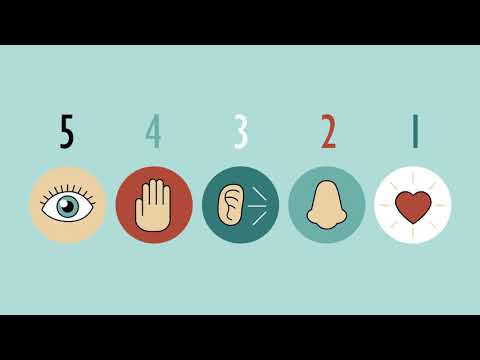
- Five Senses Technique: This one’s pretty straightforward! You take a moment to notice five things you can see, four things you can touch, three things you can hear, two things you can smell, and one thing you can taste. It’s a quick way to bring yourself back down.
- Breathing Exercises: Inhale deeply through your nose for a count of four, hold it for four counts, and then exhale through your mouth for four counts. Doing this a few times can really calm those racing thoughts.
- Physical Grounding: Just clenching and unclenching your fists or planting your feet firmly on the ground can remind you that you’re here right now.
These techniques aren’t just random ideas; they’re backed by some solid psychological principles. When our minds race ahead with worries about what could happen next or dwell on past mistakes, grounding helps redirect that runaway train of thought.
When I was deep into studying for finals in college, I’d get so overwhelmed that I could hardly think straight. Adopting these grounding techniques changed everything! It’s like flipping a light switch on—a sudden clarity emerged amidst all that chaos.
Why bother with these techniques? Well, research has shown they can reduce feelings of anxiety and even help manage symptoms related to PTSD or panic attacks. It’s not about ignoring what’s happening—it’s about bringing yourself back down when life gets too heavy.
Remember: everyone is different! What works wonders for one person might not resonate with another. So experimenting with different grounding exercises until something clicks is totally okay.
And hey, if you’re interested in diving deeper into understanding all this stuff—and maybe snagging some more examples—downloading a guide might be worth considering! Just remember: grounding is about finding what feels right for **you** in those intense moments when life throws curveballs your way.
So keep practicing these techniques until they become second nature; it’s all about just being present without getting swept away by whatever’s going on inside your head.
Unlock Calm: Essential Mindfulness Grounding Techniques PDF for Stress Relief and Mental Clarity
Stress can feel overwhelming sometimes, doesn’t it? One effective way to deal with that is through grounding techniques. They’re all about bringing you back to the present moment and helping you feel more in control. Here’s the lowdown on how that works.
What Are Grounding Techniques?
Grounding techniques are simple exercises designed to divert your attention away from stress or anxiety. They can help you reconnect with the here and now, so you don’t spiral into worry or panic. It’s like having a reset button for your brain.
Why Use Them?
When life throws too much at you, grounding can be a lifesaver. I remember a time when I was stressed over a big project at work. My mind was racing, and I felt totally lost. But taking a few minutes to ground myself really helped me clear my head and refocus.
Types of Grounding Techniques
There are tons of grounding techniques you can try out! Here are some popular ones:
- 5-4-3-2-1 Technique: This method encourages you to notice your surroundings by identifying five things you can see, four things you can touch, three things you hear, two things you smell, and one thing you taste.
- Breathe Deeply: Just take a few slow, deep breaths. Inhale through your nose for four counts, hold for four counts, then exhale through your mouth for six counts. This helps calm your nervous system.
- Body Scan: Take a moment to focus on each part of your body from head to toe. Notice any tension and consciously relax those areas.
- Mindful Observation: Pick an object nearby—maybe it’s a plant or even a pen—and really observe it for a minute or two. Look at its color, shape, texture… anything that grabs your attention.
The Science Behind It
Research shows that grounding techniques aren’t just fluff; they actually have physiological benefits, too! When you’re in distress, practicing mindfulness can lower cortisol levels—the stress hormone—making everything seem less daunting.
Your Mind Matters
Incorporating these techniques into your routine might feel weird at first but give it time! Even just five minutes here and there could lift some weight off your shoulders. It becomes easier the more you practice.
So look: if you’re feeling stressed or anxious—even just every once in a while—try out some grounding techniques. They could be what helps you find calm amid life’s chaos!
Essential Trauma-Informed Grounding Techniques: Download Your Free PDF Guide
Grounding techniques are those handy little tools that can help you get back to the present moment when your mind is racing or your emotions are all over the place. Think of it like hitting the reset button on your brain. When you’re experiencing trauma or stress, grounding can pull you back into reality, making it easier to deal with what’s going on.
One major thing to understand is that trauma can hijack your mind. You know, it just takes control and makes everything feel overwhelming. Grounding techniques are like life rafts in those rough seas of emotion. They help you regain a sense of safety and control, which is super essential for mental health care.
Here are some **essential grounding techniques** that you could try if you find yourself feeling anxious or disconnected:
- 5-4-3-2-1 Exercise: This is a classic. You basically go through your senses and identify five things you can see, four things you can touch, three things you hear, two things you smell, and one thing you taste. It pulls your mind from the chaos back to the here and now.
- Breathing Techniques: Just taking a few deep breaths can make a world of difference. Try inhaling slowly for four counts, holding for four counts, exhaling for six counts, and then holding again for two counts before repeating it. Feels good to breathe deeply!
- Physical Grounding: Sometimes just feeling something solid beneath you helps connect with reality. Stand up or sit down like you’re rooted to the Earth! Wiggle your toes or push your feet into the ground.
- Mindful Observation: Pick an object in front of you—a pen or even a flower—and really observe it. What color is it? What shape? This shifts focus away from what’s bothering you.
- Sensory Tools: Use items like stress balls or fidget toys that engage your senses in a playful way! The action engages your body and redirects anxious thoughts.
Feeling overwhelmed sometimes? Yeah, we’ve all been there—like when I once had an anxiety attack before giving a presentation. I remember literally grounding myself by focusing on my shoes on the floor, feeling their weight pressing against me while taking deep breaths between sentences.
What’s important about these techniques is they’re adaptable; meaning they can be modified based on what works best for *you*. Some folks might find comfort in breathing exercises while others might prefer sensory tools.
In therapeutic settings, grounding techniques get special attention because they allow individuals to process their trauma more effectively without becoming completely overwhelmed again. It’s crucial these methods are introduced gently; otherwise they can feel forced.
Overall, grounding techniques act as vital lifelines during moments of distress—helping harness calmness even when life feels chaotic. Staying present is key to healing; using these methods might just help make that easier!
Grounding techniques are like little life rafts when you’re navigating the choppy waters of your thoughts and emotions. It’s funny how something so simple can really make a difference, right? I remember one time, I was feeling completely overwhelmed—a million thoughts racing through my mind, and honestly, it felt like my brain was on fire. A friend suggested grounding techniques. At first, I was a bit skeptical. But doing things like focusing on my breath or describing what I could see around me actually helped me chill out, even if just for a moment.
So, grounding techniques are all about bringing you back to the present. You know how sometimes your mind takes a wild detour into the past or future? It can be super distressing! These techniques help you reorient yourself, keeping your feet firmly planted in the here and now. For instance, if anxiety hits hard—like when you’re about to give a presentation or face an awkward confrontation—just stopping and focusing on your surroundings can work wonders.
There are plenty of methods out there: deep breathing exercises, using your senses to identify things around you (like counting how many colors you see), or even holding onto something textured to remind yourself of reality. It sounds simple, but it’s these small moments that create space between you and overwhelming feelings.
And here’s the thing: Grounding isn’t just for those big emotional wave crashes. It can be useful when you’re feeling stressed out over everyday stuff too—like juggling work deadlines while trying to keep up with family obligations. Life gets hectic! Taking just a minute to ground yourself can shift everything from chaotic to calm.
In therapy settings, practitioners often introduce grounding techniques as part of treatment plans because they empower you to manage anxiety or trauma symptoms on your own terms. It’s not about ignoring what you’re feeling; it’s more about giving yourself permission to exist outside those swirling thoughts for a spell.
Honestly? We all have our struggles—nobody’s immune to stress or anxiety in today’s world—and learning these techniques can feel like having an extra tool in your toolbox for mental health. They remind us that we can always take a step back and breathe—even amidst chaos—just by tuning into our immediate experience.
So if you’re wrestling with tough times or even just everyday pressure, consider giving grounding techniques a shot. They might help you regain that balance you’ve been searching for without needing fancy jargon or complicated methods. Sometimes it really is just about taking it one breath at a time – and that alone might make all the difference.