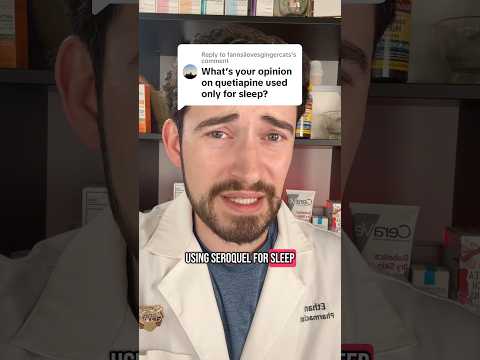
So, let’s chat about something that people don’t always bring up—sleep and how it can mess with your mind. You know those nights when you just toss and turn? It’s like your brain won’t hit the off switch.
Now, there’s this little med called Quetiapine, and yeah, it’s mainly for certain mental health conditions. But here’s the kicker: some folks are finding that a tiny dose, like 25 mg, can help them snooze better.
I get it; medications can feel like a big deal. Like, do you really need them? But honestly, sometimes your brain just needs a little nudge to chill out.
Let’s explore why some people swear by Quetiapine for catching those Z’s and feeling more balanced overall. Could this be what you’ve been missing?
Exploring the Effects of Quetiapine on Sleep Quality: Does It Really Help?
So, let’s talk about Quetiapine, yeah? You might have heard of it as Seroquel—it’s one of those medications that folks often discuss when it comes to sleep issues and mental well-being. It’s interesting because Quetiapine is actually an antipsychotic, but a lot of people use it for sleep problems, especially at lower doses like 25 mg.
Now, what’s the deal with this drug and sleep? On one hand, it can really help some people catch those Zs. The thing is, Quetiapine works by blocking certain receptors in your brain. Basically, it calms things down a bit. So for someone who’s tossing and turning all night because their mind just won’t shut up, this can feel like a godsend.
But here’s the scoop: while it might help you fall asleep faster and stay asleep longer for some folks, it’s not without its downsides. Side effects can include drowsiness during the day (which kinda defeats the purpose if you need to be alert), dry mouth, or even weight gain over time. Not everyone experiences these effects, though—often it just depends on your body and how it reacts to the med.
Here are some key points to consider:
- Effectiveness: Quetiapine has shown to improve sleep quality in individuals struggling with insomnia related to anxiety or bipolar disorder.
- Dosing: Lower doses (like 25 mg) are generally used for sleep; higher doses are often reserved for treating more serious conditions.
- Studies: Some research suggests significant improvement in sleep onset and total sleep time with Quetiapine compared to placebos.
- Risks: Long-term use might lead to metabolic issues or other health concerns.
So how does this all pan out in real life? Let me share a quick story: A friend of mine had been stressed out for months—just could not sleep no matter what she tried. Her doctor prescribed her 25 mg of Quetiapine at bedtime. At first, she felt fantastic! She was finally getting some good rest after weeks of insomnia.
However, after a few weeks, she started feeling groggy during the day. It was kinda tough because while nighttime helped her chill out—and she could finally enjoy some series on Netflix—she struggled more with daytime tasks because of that drowsy feeling.
You see how there’s a balance? Sure, getting better sleep is huge—it’s like putting gas in your car—but if you’re too sleepy to drive anywhere during the day? That’s not great either!
Exploring the Mood-Enhancing Benefits of Quetiapine: Can This Antipsychotic Improve Your Mental Well-Being?
So, let’s chat about Quetiapine. Maybe you’ve seen it mentioned in the context of mood improvement or better sleep. Seriously, it comes with a whole bunch of effects that can surprise you.
First off, Quetiapine is an antipsychotic medication often used to treat conditions like schizophrenia and bipolar disorder. But here’s the deal: it’s also got some mood-enhancing benefits that people find helpful. One interesting thing is how it impacts your sleep cycle. A lot of folks report feeling more rested after taking it, which can help your overall mood. You know how cranky you feel when you don’t get enough sleep? Well, imagine waking up refreshed instead.
Now, let’s break down some key aspects:
- Dosage and Effects: Quetiapine comes in different doses. Some people start with lower doses like 25 mg to help with sleep issues or anxiety. Even at low doses, it can work wonders for calming racing thoughts, which is crucial for mood stability.
- Serotonin and Dopamine: It influences the levels of certain brain chemicals like serotonin and dopamine. These are key players in regulating mood! So when these levels are balanced out, you might feel more upbeat or less anxious.
- Long-Term Use: For those using Quetiapine long-term, it’s often about managing symptoms rather than outright curing them. This means you might experience fewer up-and-down moods or less paranoia over time.
But there’s an emotional angle too. Imagine struggling with anxiety every single day—like walking around with a weight on your chest. Then someone suggests trying this med that helps quiet those anxious thoughts and allows for clearer thinking. It’s almost like having a mental fog lifted!
However, not everything’s sunshine and rainbows. Some side effects can happen as well—think drowsiness or dry mouth—which can be annoying but often manageable once your body gets used to the medication.
So yeah, if you’re considering Quetiapine for better sleep or to improve your mental well-being, it’s super important to chat with your doctor first! They’ll be able to give you the lowdown based on your unique situation.
In a nutshell: Quetiapine might just be what some people need to help brighten their moods and enhance their well-being—especially when sleepless nights are throwing off the whole vibe of life!
Exploring Quetiapine: Is It Effective for Anxiety and Insomnia Relief?
So, you’re curious about quetiapine and how it fits into the world of anxiety and insomnia, huh? Let’s break it down.
Quetiapine is an atypical antipsychotic that’s often prescribed for conditions like schizophrenia or bipolar disorder. But, interestingly enough, it’s also used off-label for anxiety and sleep issues. That basically means doctors can prescribe it for reasons that aren’t officially listed in the drug’s guidelines.
Now, regarding insomnia, many folks have found that quetiapine can help with sleep. People report feeling more relaxed after taking a dose. Like a friend of mine, she had real trouble shutting her mind off at night due to anxiety. When her doctor suggested quetiapine, she noticed a big difference—she could actually fall asleep without tossing and turning for hours.
But here’s the thing: just because it works for some doesn’t mean it’s ideal for everyone, or even a first choice! Side effects could include dizziness, dry mouth, or even weight gain over time—not exactly fun stuff. Plus, there’s always the concern about becoming dependent on any medication for sleep.
When it comes to anxiety relief, research shows mixed results. Some studies indicate that quetiapine may reduce anxiety symptoms effectively, particularly in those with more severe issues like generalized anxiety disorder (GAD). However, not all users will experience this benefit. That same friend I mentioned? While her sleep improved significantly, her overall anxiety levels didn’t budge much.
It’s also important to remember that it’s usually not recommended as a first-line treatment for anxiety or insomnia. Doctors might prefer prescribing something like SSRIs or other medications before turning to quetiapine unless there are specific reasons to go that route.
So what does that mean if you’re considering this med? It’s super important to have an open chat with your doctor about your symptoms and treatment goals. If you think it might help with your sleep or anxiety worries—and they agree—they’ll probably start you on a low dose (like 25 mg) and see how you respond.
In summary:
- Quetiapine is primarily an antipsychotic but can be used off-label for anxiety and insomnia.
- It may promote better sleep for some people.
- Side effects are important to consider; they can affect your overall health.
- Anxiety relief results vary greatly; some find benefits while others don’t.
- A conversation with your doctor is crucial before starting.
So basically, while quetiapine has its pros when it comes to sleep and perhaps managing some forms of anxiety, careful consideration and ongoing dialogue with professionals are key!
So, let’s talk about quetiapine, or as some folks call it, Seroquel. It’s a medication that kinda has a mixed reputation. Some people swear by it for helping with sleep and stabilizing their mood, while others are more cautious about its use. You know how it is—everyone’s got their own experiences.
I remember one of my friends was really struggling with insomnia. She’d literally toss and turn all night, feeling exhausted during the day. Her mind would race about everything and anything. After trying various natural remedies and tips that just didn’t cut it, she finally ended up talking to her doctor who prescribed quetiapine at 25 mg just for sleep.
At first, she was hesitant because she didn’t want to rely on medication. But when she finally took the plunge, things changed for her. Seriously! Within days, she found herself drifting off to sleep more easily. And the weirdest part? It didn’t just help her snooze; it seemed to boost her mood during the day too! She felt more focused and less weighed down by stress.
Of course, quetiapine isn’t a magic pill for everyone. For some folks, even at a low dose like 25 mg, there can be side effects like grogginess or weight gain—basically throwing you a curveball instead of solving your problem. It’s always worth chatting with a healthcare provider about what feels right for you if you’re considering it.
The thing is, managing mental health is pretty complex and unique to each person. Some might find that medications like quetiapine bring balance to their lives while others might prefer therapy or lifestyle changes instead. Whatever route one takes, finding what works best is what matters most in the end! So if you’re curious or thinking about trying something like this out? Definitely have that conversation with your doc first—no harm in doing your homework!