Hey, you! So, let’s talk about relationships for a sec. You know how some people just seem to click effortlessly while others feel like a constant struggle? Yeah, that’s all tied to something called attachment styles.
Basically, it’s like the way we learn to relate to others from when we’re tiny. It shapes our friendships, romantic partnerships—everything! And understanding your attachment style can be a total game-changer.
Ever wondered why you keep ending up in the same type of relationship drama? Or why some folks just can’t handle intimacy? That’s what this little quiz is for! It’s super simple and will shed some light on your patterns.
Let’s figure this out together, huh? You might just discover a thing or two about yourself and why you connect the way you do. Ready to dive in?
Discover Your Attachment Style: Take Our Free Quiz to Enhance Your Relationships
So, let’s talk about attachment styles. You know, those patterns that shape how you connect with others? Basically, your attachment style can really impact your relationships, whether it’s with friends, family, or partners. And understanding yours can be pretty enlightening.
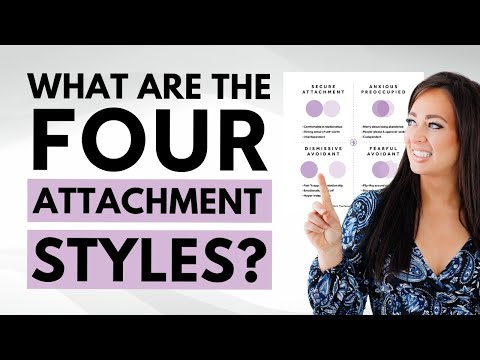
What’s an Attachment Style? Well, it stems from how you bonded with your caregivers as a kid. It’s like the framework for love and trust you build for the rest of your life. There are four main attachment styles: secure, anxious, avoidant, and disorganized. Each one has its own vibes and mischief.
Secure Attachment is like having a sturdy safety net. People with this style feel comfortable with intimacy and are usually good at communicating needs. They’re affectionate but also respect boundaries! For example, think about a friend who always checks in on you but knows when to give you space.
Then there’s Anxious Attachment. This style is often marked by clinging or fear of abandonment. You might find yourself seeking constant reassurance from loved ones or feeling jealous easily. It’s like being on an emotional rollercoaster—exciting yet exhausting!
On the flip side, we have Avoidant Attachment. Here’s where things get tricky: those who identify with this style tend to distance themselves when things get too close for comfort. They might act aloof or shut down when feelings come up. Just imagine someone who enjoys hanging out but goes cold when it gets serious.
Lastly, Disorganized Attachment combines elements from both anxious and avoidant styles. It’s kind of chaotic; people may crave closeness then push away at the same time. You could say it’s like having mixed signals on repeat—it can be confusing for everyone involved.
Taking an attachment style quiz is a neat way to figure out where you might fit in all this! Look for questions that touch on how you feel in relationships or how you’ve reacted in past experiences.
Here are some things a quiz might help uncover:
- Your reactions to conflict: Do you confront issues head-on or avoid them?
- Your need for closeness: Do you often want to be close to others or do you prefer keeping your distance?
- Your feelings during intimacy: Do you feel safe getting close to someone?
- Your response to partner’s needs: How do you handle your partner’s emotional needs compared to your own?
After taking the quiz, you’ll likely get some insight into why relationships sometimes feel complicated! It can really shed light on recurring patterns in dating or friendships—like hey, why do I always seem to pick emotionally unavailable partners?
Understanding your own style helps create better communication too! For instance, if you’re aware that you’re more anxious in relationships, knowing this means you’re less likely to freak out if a text isn’t answered right away.
In the grand scheme of things, knowing your attachment style isn’t just about labeling yourself; it’s about empowering yourself! That knowledge can lead to healthier interactions and stronger connections with people around you.
So yeah—taking time to explore these aspects through quizzes can not only enhance relationships but also bring some much-needed clarity into what makes us tick emotionally!
Discover Your Attachment Style: Take Our Free Test to Better Understand Your Relationships
So, let’s talk about attachment styles. They’re basically how you connect with others, shaped by early relationships—think of your parents or caregivers. It’s like a blueprint for how you relate to friends, partners, and even co-workers. Knowing your attachment style can seriously help you figure out why you act the way you do in relationships.
There are four main attachment styles:
- Secure: You’re comfortable with closeness and independent at the same time. You trust others but also value your space.
- Avoidant: You tend to stay distant in relationships. Emotional intimacy? Not really your thing.
- Anxious: You crave closeness but often worry about being rejected or abandoned. It can feel like a rollercoaster sometimes.
- Disorganized: This one’s a mix, where you might want closeness but also fear it deeply. It’s kinda chaotic.
Now, let’s say you’re dating someone who has an anxious attachment style. They might text you three times in five minutes just to make sure you’re not ignoring them. Meanwhile, if you’re more on the avoidant side, those texts could feel suffocating. It’s like playing tug-of-war without even realizing there’s a rope!
Taking a quiz can help uncover your attachment style. These tests usually ask about how you feel in relationships and how you behave with others—sort of like casual self-reflection on paper. Some people find it eye-opening! Seriously, one friend found out she was anxious after taking the test and it explained why she kept stressing over her boyfriend’s every move.
Knowing this stuff gives you insight into why things might not be working out in your love life or friendships. And hey, that’s half the battle! You gain awareness that allows for some real change.
The thing is, none of these styles are set in stone—people can adapt and change through experiences and therapy if they want to improve their relationship health.
So if you’ve been wondering about your patterns with people around you—especially when it comes to dating or emotional connections—a free test could really shine some light on things! Just remember it’s all about growth—you’re not defined by any label; it’s just a way to understand yourself better so that connecting becomes easier over time!
Understanding Fearful Avoidant Attachment: Causes, Effects, and Healing Strategies
Fearful avoidant attachment can feel like a real emotional rollercoaster. You know when you want to get close to someone but then that little voice in your head tells you to back off? That’s kind of what it’s about. It’s like a mix of wanting love and fearing it at the same time. So, let’s break this down: what causes it, how it affects you, and some paths toward healing.
First off, what causes this attachment style? Well, many times it starts in childhood. If you grew up in an environment where your caregivers were inconsistent—sometimes loving and other times rejecting—it can create confusion. You might crave closeness but also fear getting hurt because of past experiences. Think about a friend who has been burned by relationships; now they hesitate to trust anyone fully. That paradox is exactly what fearful avoidant types face.
Then there are the effects. Fearful avoidants often find themselves struggling with intimacy and vulnerability. Imagine wanting to share secrets with your partner but feeling anxious about being rejected if you do. It can lead to situations where you push people away just as they’re getting close, almost like playing emotional hide-and-seek! This avoidance can create loneliness and frustration for both parties involved.
Loss of trust can also be a huge issue here. Because these folks tend to have deep-seated fears around being abandoned or judged, they may have trouble believing others’ intentions are genuine. It’s like wearing emotional armor all the time—tough on the outside but feeling pretty fragile inside.
So, how do we tackle this? One way is through therapy. Talking things out with a professional can really help unpack those old wounds and build healthier patterns in relationships. Cognitive-behavioral therapy (CBT) is often effective as it focuses on changing thought patterns that trigger avoidance behaviors.
Another idea is looking into mindfulness practices. These techniques help ground you in the present rather than spiraling into worries about rejection or loss. Have you ever tried just sitting quietly for a few minutes each day? It can seriously make a difference in how you respond when those feelings pop up.
Finally, communication is key! Sharing your feelings openly with loved ones—even when it feels scary—can slowly build trust and understanding over time. It’s all about taking small steps toward connection instead of running away.
To sum up, understanding fearful avoidant attachment isn’t just for psychology nerds; it’s for anyone trying to navigate love and connection while dealing with their own emotional hurdles. Recognizing these patterns is the first step toward healthier relationships—so go easy on yourself as you figure this out!
You know, the whole idea of attachment styles is super interesting. I mean, think about those early childhood experiences that shape how we connect with others. It kind of blows your mind, right? So, when you come across something like an attachment style quiz, it really makes you stop and think about how you relate to the people in your life.
I remember taking one of those quizzes a while back. I was feeling a bit lost in my relationships—like I just couldn’t figure out why some things felt so off. After answering a bunch of questions, the results showed that I had an anxious attachment style. At first, I was like “Wait, what does that even mean?” But then it all started to click. It explained why I sometimes felt clingy or worried my friends might leave me hanging.
These quizzes can be pretty revealing! They help you look inward and understand why you react the way you do in relationships—whether that’s romantic ones or friendships. For example, if you’re secure in your attachments, you’re probably feeling pretty comfortable opening up to people. But for folks with avoidant styles, it might be tougher to let anyone in.
The cool part is once you know more about your own patterns and maybe those of your significant other or friends? You can actually work on it together. Like if someone has an anxious style and their partner is avoidant, they might often misunderstand each other’s needs.
So yeah, while these quizzes aren’t going to solve all your problems overnight (wouldn’t that be nice?), they can definitely be stepping stones toward healthier relationships. It’s like holding up a mirror so you can see what’s really going on beneath the surface. You feel me?