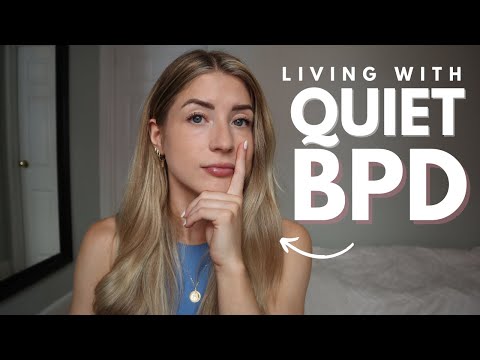
Hey there! So, you know how some days just feel a little heavier? Like, the world is on your shoulders and you can’t quite shake it off? That’s kinda what life can be like for someone with Quiet Borderline Personality Disorder. It’s not always about the loud outbursts or drama that people often think of.
Instead, it’s more like this inner storm—an emotional rollercoaster that doesn’t always show on the outside. You might feel lost in a crowd, even when everyone seems to be having a blast. The struggle is real, and trust me, you’re not alone in it.
There are moments when you’re just trying to keep it together, but inside? It’s a different story. Let’s talk about what that looks like—how to navigate life with this experience and maybe find some peace along the way. Sound good?
Thriving with Quiet BPD: Practical Strategies for Everyday Life
Living with Quiet Borderline Personality Disorder (BPD) can feel like you’re constantly walking a tightrope. You might not show the intense emotional ups and downs that others associate with BPD, but that doesn’t mean you’re not experiencing a whirlwind of feelings inside. It’s more like an emotional storm brewing beneath a calm surface. So, let’s talk about some practical strategies to help you thrive day-to-day.
First off, understanding your emotions is key. Sometimes it can feel like your feelings are unpredictable, but keeping a journal might help you trace patterns. Write down what triggers certain emotions and how you react. This way, you’ll have a better grasp on your emotional landscape.
Another important thing is practicing mindfulness. Seriously, this isn’t just fluffy stuff—it can really ground you. Try focusing on your breath or observing your surroundings without judgment. Like when you’re having coffee, notice the warmth of the mug or the taste of each sip. These little moments can bring clarity when everything feels overwhelming.
Building a support network is super helpful. Reach out to friends or family who get you. It doesn’t have to be deep conversations every time; sometimes just sharing a laugh can lighten things up. And if it feels comfortable, consider joining support groups—meeting others in similar situations helps normalize what you’re going through.
Next up is communication—it’s not always easy, but it’s vital. If something bothers you, express it in a way that focuses on how you feel rather than blaming others. Instead of saying «You always ignore me,» try «I feel alone when we don’t talk.» It makes such a difference in how people respond.
And yeah, self-care is pretty essential too! Whether that means recognizing when to take a break or treating yourself to something nice—a favorite snack, a good book, or even soaking in the tub—make those moments count for yourself.
Also remember to practice self-compassion. You might think negative thoughts about yourself often; quiet BPD doesn’t mean you’re less worthy or lovable than anyone else. Acknowledge your struggles as part of being human instead of beating yourself up over them.
Lastly, consider therapy as part of your toolkit—not because something’s «wrong» with you but because it can provide valuable coping strategies and insights into your experiences. Finding the right therapist who understands BPD can be life-changing.
In summary, living with Quiet BPD has its challenges and ups and downs for sure! But by focusing on understanding yourself better and using these practical strategies—like journaling emotions, practicing mindfulness, building connections and communicating openly—you can cultivate resilience and find joy even in the midst of turbulence. Just remember: it’s all about progress over perfection!
Transforming Life with Quiet BPD: Understanding Its Impact on Mental Health
Quiet Borderline Personality Disorder (BPD) is a type of BPD that often flies under the radar. It can be really hard to pinpoint because the emotional struggles aren’t always loud or obvious. People dealing with this may struggle silently while battling intense feelings, fear of abandonment, and self-doubt. Let’s take a closer look at how Quiet BPD can impact mental health and daily life.
One key feature of Quiet BPD is emotional sensitivity. Imagine this: you’re sitting in a meeting, and someone makes a passing comment about your work. While others brush it off, you’re left feeling crushed. You might ruminate over it for days, even questioning your self-worth. It’s not that you don’t care; it’s just that your emotional reactions are heightened.
Another aspect is fear of rejection. This fear often leads to withdrawing from relationships. So you might avoid social situations altogether, thinking they could lead to feelings of rejection or abandonment. Friends might think you’re distant or uninterested when really, you’re grappling with overwhelming anxiety about being hurt.
People with Quiet BPD also tend to engage in self-criticism. It’s like having a relentless inner critic that points out every flaw and mistake. This can create a cycle where the more critical you are of yourself, the worse you feel about yourself, which intensifies those feelings of emptiness or unworthiness.
One struggle many face is finding effective ways to communicate their needs. You might feel like expressing what you need from others is too much to ask. This creates a pattern where your needs go unmet because people simply don’t know how to help if you don’t say anything. You end up feeling isolated, stuck in a loop of unexpressed emotions.
Also important is the aspect of identity confusion. Those with Quiet BPD often feel unsure about who they really are. One day you’re super passionate about something; then next week it feels like it never mattered at all. This constant shifting can be exhausting and leave you searching for stability in your identity.
In terms of treatment options, therapy can play an essential role in managing symptoms associated with Quiet BPD. Approaches like Dialectical Behavior Therapy (DBT) focus on building coping skills and regulating emotions which can be immensely helpful for someone dealing with these challenges.
Lastly, remember that talking openly about what you’re going through—whether it’s to friends or professionals—can make a significant difference. Sharing your experiences helps break down some of that isolation and brings understanding into your life.
In wrapping up, living with Quiet Borderline Personality Disorder isn’t easy—it affects mental health deeply but also opens doors for growth and understanding through therapy and supportive relationships. And honestly? Just knowing there are others out there who share similar experiences can already feel pretty transformative!
18 Subtle Signs You May Have Grown Up with Quiet Borderline Personality Disorder
Sure! Let’s chat about some subtle signs you might be dealing with Quiet Borderline Personality Disorder (BPD). It’s a complex thing to navigate, so understanding the signs can really help you make sense of your experiences.
1. Intense Emotions
You often feel emotions very deeply but keep them to yourself. You might be experiencing rage or sadness inside, but on the outside, it seems like you’re just fine.
2. Fear of Abandonment
A constant worry about being abandoned, even if there’s no real evidence. Sometimes, a friend takes a little longer to text back, and suddenly you’re spiraling into panic.
3. Identity Issues
You may feel unsure about who you truly are. One day you love something—like hiking—and the next, you’re like, “What was I thinking?” This shifting self-image is a common struggle.
4. Difficulty Expressing Needs
Telling others what you need feels impossible sometimes. You might have this urge to scream for help internally but can’t articulate it when it matters most.
5. Self-Criticism
You tend to be your own harshest critic. Every mistake feels monumental and reinforces that negative voice in your head telling you you’re just not good enough.
6. Discomfort with Conflict
Instead of facing disagreements head-on, you might withdraw or stay silent to avoid conflict altogether—even when it’s eating away at you inside.
7. Feeling ‘Empty’
Sometimes life feels hollow or meaningless, like there’s this void inside that never gets filled up no matter what you do or how many friends surround you.
8. Impulsivity in Safe Ways
You may engage in impulsive behaviors that aren’t necessarily risky; maybe binge-watching a whole series in one night instead of tackling responsibilities feels like an escape.
9. Difficulty Trusting Others
Building strong connections can be tough for you because trusting people doesn’t come easy. It’s as if everyone has the potential to hurt you—so why bother?
10. Overthinking Reactions
You second-guess how people react to what you’ve said or done obsessively—wondering if they’re upset or annoyed even when they seem completely chill.
11. Emotional Outbursts in Private
While appearing calm on the outside, behind closed doors, those feelings explode into tears or rage episodes that leave you feeling drained and confused afterward.
12. Difficulty Moving on from Relationships
Encountering break-ups or friendships fading can be devastating for you; remembering every detail feels exhausting yet oddly comforting as if holding onto pain is better than letting go.
13. Idealization and Devaluation of Friends and Loved Ones
You may swing between seeing someone as perfect one moment and then feeling totally disillusioned with them the next—what a whirlwind!
14. Sensitivity to Rejection
Even casual comments can stab deep because they trigger feelings of rejection—big time! That stinging feeling makes it so hard not to withdraw emotionally from others.
15. Coping Mechanisms Like Withdrawal or Shutdowns
When overwhelmed by stressors, shutting down feels like an escape route rather than an actual solution; those moments leave friends wondering whether you’ve ghosted them for good!
Your experience is deeply personal.
Recognizing these signs doesn’t mean you’re definitively living with Quiet BPD—it’s just part of understanding yourself better! It’s also crucial not to self-diagnose based solely on this list; talking with a professional who gets it can make all the difference in finding clarity and support tailored specifically for your unique experience.
In short, if any of this rings true for you? You’re definitely not alone! Understanding these subtle signs might help shine some light on your emotional world and lead toward healing paths that fit just right with where you’re at now.
Living with Quiet Borderline Personality Disorder (BPD) feels like a roller coaster ride that no one wants to be on, but somehow you find yourself strapped in. It’s not all shouting and chaos, which is how many people picture BPD. Instead, it can be really internalized—a silent storm brewing inside you while you put on a brave face for the world.
I remember a time when I was out with friends, laughing and chatting. On the outside, everything seemed great, but inside? I was wrestling with feelings of emptiness and self-doubt. One small comment could send me spiraling into a pit of despair or anger, even if no one else could see it. It’s like feeling invisible while simultaneously feeling very much too much—like you’re screaming silently.
With Quiet BPD, there’s this constant fear of abandonment and an intense emotional sensitivity that can make everyday life feel heavy. You might struggle to express your feelings openly because you don’t want to burden anyone or seem dramatic. That leads to bottling things up until they explode in unexpected ways or manifest into anxiety and depression. You might feel lost in trying to connect with others because expressing what’s really going on feels like pushing a massive boulder uphill.
And then there are those moments when you’re reflecting on past relationships or experiences. The way you replay conversations over and over in your head can drive you nuts! Did they mean what they said? Was it my fault? Should I have said something differently? It’s exhausting!
Therapy can be a game changer here, though. Finding the right therapist who understands that quiet side of BPD is crucial—someone who gets that you’re not just being distant; you’re actually fighting your own battles quietly.
Trying to navigate life with Quiet BPD is tough, but learning about yourself along the way can lead to some pretty profound insights. You start understanding your triggers better—what makes your heart race or sends chills down your spine—and that’s empowering!
So yeah, while it seems daunting at times, living with Quiet BPD means embracing both the light and the dark within yourself. And maybe—just maybe—that’s what makes us stronger in the end. Life’s messy, full of ups and downs, but we’re all figuring things out together in our own way!