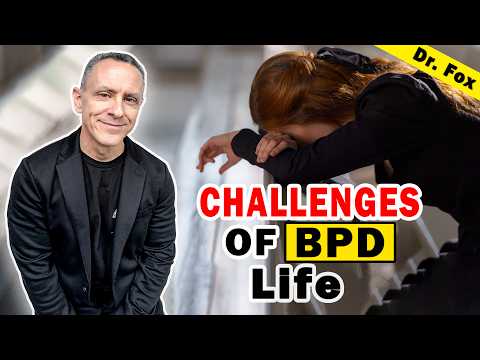
So, let’s chat about this thing called Quiet BPD. Ever heard of it? It’s this tricky little mental health condition that often flies under the radar. You know, like that friend who’s always there but never really stands out in a crowd.
Living with Quiet BPD can feel like you’re riding a rollercoaster without knowing when the next drop is coming. Ups and downs, confusion, and sometimes just a whole lot of silence. It can be exhausting, honestly.
You might find yourself feeling intense emotions but not always showing them. Instead, you kind of bottle everything up. And that can lead to some real struggles in relationships and self-acceptance. It’s tough out there!
But hey, there are ways to cope! Seriously, just talking through it can make a world of difference. So, let’s dive into the challenges you might face and explore some strategies to help you ride those waves a bit easier. Sound good?
Effective Coping Strategies for Managing Quiet BPD Symptoms
When you’re dealing with Quiet Borderline Personality Disorder (BPD), things can get, well, a little confusing. Unlike the more overt symptoms of BPD, those with Quiet BPD often internalize their feelings and may not express them outwardly. Instead of the emotional outbursts, you might find yourself battling intense emotions internally, which can be super isolating. So, let’s chat about some **effective coping strategies** that might help you manage these symptoms.
1. Journaling your feelings
Writing down what you’re feeling can be a game-changer. It doesn’t have to be pretty or structured—just let your thoughts flow. When I had a friend who was navigating this path, she found that taking a few minutes daily to jot down her emotions helped her see patterns. It was like holding a mirror up to her feelings.
2. Mindfulness practices
Mindfulness can help you stay grounded when those intense emotions start swirling around like a storm inside you. Things like meditation or even just deep breathing exercises can make a big difference in how you feel moment-to-moment. Try focusing on your breath; counting each inhale and exhale can bring you back to the present.
3. Self-compassion is key
Often, people with Quiet BPD are really hard on themselves because they feel their emotions aren’t valid or too overwhelming. Practicing self-compassion means being gentle and understanding with yourself—like if your friend was going through something tough, you’d show them kindness, right? Why not extend that grace to yourself?
4. Set healthy boundaries
Sometimes, it’s important to protect your emotional space by saying no or stepping back from relationships that drain your energy. Think of boundaries as the invisible fence that keeps your emotional well-being safe from negativity.
5. Find supportive outlets
Connecting with others who understand what you’re going through is invaluable. Support groups or therapy dedicated to BPD can offer relief and validation because they provide an environment where you don’t have to hide how you really feel.
6. Seek professional help
Therapy is an important tool for managing Quiet BPD—it’s not just for crisis moments! A therapist trained in Dialectical Behavior Therapy (DBT) or other relevant modalities can guide you through skills specific to handling emotions and interpersonal relationships.
You know, sometimes it feels like no one gets what you’re experiencing when symptoms hit hard but remember that finding coping strategies that resonate with you takes time and patience. You don’t have to tackle this journey alone; reaching out for support is one of the strongest things you can do for yourself!
And above all else—be kind and patient with yourself as you navigate through this complex maze of emotions and experiences!
Exploring the Link Between Trauma and Quiet Borderline Personality Disorder
So, let’s talk about something pretty important: the link between trauma and what’s often called Quiet Borderline Personality Disorder (BPD). You might be wondering what Quiet BPD even is. Well, it’s a form of BPD where folks experience intense emotions and sensitivity but often keep those feelings hidden. Instead of the more typical outward explosions that people might associate with BPD, it’s like an internal storm brewing.
The connection between trauma and this type of BPD is like a thread that weaves through many stories. When you think about trauma—like childhood abuse, neglect, or emotional invalidation—it makes sense why someone might develop quiet BPD. Imagine growing up in a home where your feelings weren’t acknowledged. You’d start to feel like your emotions are too much. So, to cope, you might learn to hide them instead.
- Emotional Dysregulation: This is a biggie in Quiet BPD. If you’ve faced trauma, your brain might get wired to react stronger than others might in similar situations. It’s like having a car that revs up too high when you only need to drive slowly.
- Fear of Abandonment: Many people with Quiet BPD grapple with this fear deeply rooted in past traumas. You may find yourself pushing people away because you’re scared they’ll leave anyway—so it feels easier to be distant first.
- Self-Image Issues: When trauma strikes, especially during formative years, it can warp how you see yourself. You might feel unworthy or flawed and struggle to maintain stable relationships because you feel less than.
Navigating life with Quiet BPD can be tough. There was this friend I had who always seemed calm on the outside but carried so much weight inside her head. She had dealt with some serious family stuff as a kid—things nobody should go through—and it affected her friendships later in life. She’d often agree to plans but then cancel at the last minute because she felt overwhelmed by anxiety about social situations.
Coping strategies can help along the way! Seriously! Here are some ways folks manage these feelings:
- Therapy: This is often one of the best tools out there! A therapist can help you unpack those traumatic experiences and how they shape your behavior today.
- Meditation & Mindfulness: These practices can help ground you when overwhelming thoughts hit hard—allowing space for clarity instead of panic.
- You’re Not Alone: Connecting with others who get what you’re going through can be incredibly sweet relief—you find that support makes everything just a bit easier!
The thing is, even if your past has shaped how you view yourself or interact with others now, remember that there’s hope! Many individuals learn how to express their needs more openly over time—turning down the intensity of inner struggles step by step.
If you’re feeling lost or overwhelmed by these emotions, that’s okay! Reaching out for help is actually one of the bravest things you can do.
Understanding the Quiet BPD Test: Signs, Symptoms, and Self-Assessment Guide
Quiet Borderline Personality Disorder (BPD), often called “silent” or “hidden” BPD, can be a tricky subject. You might have heard a lot about BPD in general, but this specific type tends to fly under the radar. Basically, it’s when someone struggles with the symptoms associated with BPD but doesn’t express them outwardly as much. Instead of explosive rage or dramatic mood swings, people with Quiet BPD may bottle things up and internalize their feelings.
So, what are the signs and symptoms of Quiet BPD? Here’s a breakdown:
- Emotional Intensity: You might feel emotions super deeply but struggle to show them. It’s like being on an emotional rollercoaster in your head while appearing calm on the outside.
- Fear of Abandonment: A biggie for people with BPD! You may worry excessively about being abandoned by loved ones but not voice those fears.
- Self-Image Issues: You might have an unstable self-image. On some days, you feel great; other days, you’re not so sure who you are.
- Chronic Feelings of Emptiness: Those feelings can hit hard. It’s like a void inside you that nothing seems to fill.
- Self-Criticism: This can be brutal—you’re often harder on yourself than anyone else could be. If you make a mistake, it can feel like the end of the world.
Now let me tell you a quick story here. I had a friend who exemplified Quiet BPD perfectly. She’d smile and laugh in public but would text me late at night feeling utterly lost and empty inside. It was tough because she didn’t want to burden anyone with her problems—but man, did she struggle silently!
If you’re curious about whether you might relate to this experience or even suspect you have Quiet BPD, self-assessment can help. While it’s not a substitute for professional advice or diagnosis, here are some questions that might resonate:
- Do I often feel overwhelmed by my emotions?
- When I’m upset, do I keep my feelings hidden from others?
- Do I constantly fear losing my relationships?
- Am I often critical of myself?
If you’re nodding along while reading these questions, it could be worth exploring further.
Living with Quiet BPD comes with its challenges—like feeling lonely even when surrounded by friends or experiencing anxiety about opening up emotionally. But there are coping strategies too! Here are few ideas:
- Meditation and Mindfulness: These practices help ground you when those heavy emotions come rolling in.
- Therapy: Finding someone who understands is crucial—especially therapists experienced in dealing with personality disorders.
- Create a Support Network: Surround yourself with people who uplift you and make it easier to share how you’re feeling.
So yeah, understanding Quiet BPD is kind of like peeling back layers on an onion—it can make you tear up at times! But knowing what it is and how to deal with it is step one toward healing and thriving rather than just surviving through life’s ups and downs.
Keep in mind everyone’s experience is different—what works for one person may not work for another. But that’s okay; finding your path is part of the journey! Just remember: reaching out for help isn’t just okay—it’s brave!
Quiet Borderline Personality Disorder, or Quiet BPD, can feel a bit like a double-edged sword. On one hand, you’ve got intense emotions swirling inside you, and on the other, you’re stuck in a constant battle with expressing those feelings. It’s not always easy to talk about it, but let me share some thoughts.
Imagine feeling like a storm is brewing within you, but when it comes to showing the world what’s going on, all you’ve got is a calm facade. That was me for a long time. I’d smile and nod at friends while inside I felt overwhelmed by feelings of emptiness or anxiety. You try to hold it together, but then something simple sets you off: a comment that feels off, or maybe someone didn’t text back right away. That buildup can be exhausting—like holding your breath just waiting for that moment when everything just spills out.
One thing that stood out for me was how this silent struggle often leads to feeling isolated. When you don’t express your emotions loudly, people might think you’re fine or don’t care. But the reality is usually very different. So many times I wished someone would just see behind my smile and ask if I was okay.
Now let’s talk coping strategies because we all need those little lifelines! Journaling helped me—like seriously helped. Writing down my thoughts made them less scary and more manageable. Plus, it’s great to look back at what I felt in different moments—it’s like having a map through my own emotional landscape.
Mindfulness also became this huge tool in my kit. Just taking time each day to breathe and focus on the present makes such a difference. It’s like hitting pause on everything racing around in your head for just a moment.
Talking to friends who understand has been vital too; they allow space for honesty without judgment. And therapy? That’s another biggie! Having someone who gets it and can help navigate through those rough patches is honestly invaluable.
In the end, navigating Quiet BPD might be tough—but it’s not insurmountable. Each step feels small but adds up over time—hard as it might be. And remember: you’re not alone in this journey; there’s strength in reaching out when things feel heavy!