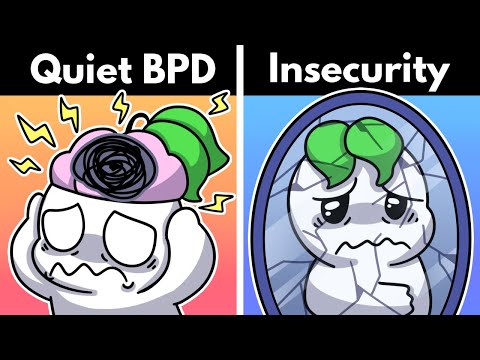
So, let’s chat about something that doesn’t get enough spotlight: quiet borderline personality disorder, or BPD for short. Sounds heavy, right? But hang on, it’s not all doom and gloom.
You know how sometimes you just feel things really deeply but don’t show it? That’s kind of the vibe with quiet BPD. It’s like being in a crowded room and feeling completely alone, even when you’re surrounded by people. Totally confusing!
A lot of folks who deal with this might not even realize they have it. They think they’re just moody or anxious. But what if I told you there’s a way to check in with yourself? Yep, there’s this test that can help shine a light on what you’re feeling.
So, let’s dig into this quiet BPD test and see if it can offer some insights into your mental health journey. Sound good? Cool!
Take Our Free Quiet BPD Test: Understand Your Symptoms Today
Alright, let’s tackle this whole Quiet BPD thing. First off, what is it, really? Well, Borderline Personality Disorder (BPD) comes in different flavors, and “Quiet BPD” is one that often flies under the radar. It’s not like the classic version where people are super expressive about their emotions. Instead, if you’ve got Quiet BPD, you might be more likely to internalize your feelings instead of showing them outwardly.
Now, why would anyone want to take a test for it? Good question! A free test can help you understand your symptoms better. You know how sometimes you feel things deeply but can’t quite pin down what’s going on? This test might offer some clarity.
But here’s the kicker: not every test is created equal. Some are legit and backed by research; others might just be a collection of questions that don’t really mean much in the grand scheme of things. So, when you’re looking at these tests, keep an eye out for a few key points:
- Symptoms Recognized: The right test will focus on symptoms specific to Quiet BPD, like emotional numbness or feeling disconnected.
- Self-Perception: It might ask how you view yourself in relation to others or how often you feel like nobody understands you.
- Coping Mechanisms: Look for questions about whether you suppress emotions or struggle with heavy self-criticism.
You see, the thing is—having Quiet BPD can lead to challenges in relationships and your own sense of self-worth. Take Sarah, for example. She always felt like she was on an emotional rollercoaster but didn’t have the words to describe it. Taking a quiz helped her identify patterns she never considered before. It was like putting together pieces of a puzzle that had been missing for years.
If you decide to take one of these tests after getting educated on what they entail, remember: it’s just one piece of the puzzle. It can spark some insights but shouldn’t be considered a formal diagnosis. For that kind of info, consulting with a mental health professional is crucial.
This whole journey with mental health isn’t straightforward—it can be messy and confusing sometimes. That’s totally normal! This isn’t just about labels or boxes we fit into; it’s about understanding ourselves better and finding ways to heal and grow.
At the end of the day, whether it’s through taking a quiet BPD test or chatting with someone who gets it—you’re taking steps towards figuring yourself out more deeply. And honestly? That’s pretty awesome!
Understanding Quiet BPD: Take the Reddit Test and Discover Your Insights
Understanding Quiet BPD can be a real eye-opener. If you’ve stumbled across the term on Reddit or other platforms, you might have had a moment of recognition. Quiet Borderline Personality Disorder (BPD) is different from the more commonly discussed symptoms of BPD, and it can be a bit tricky. Let’s break it down.
So, what is it? Quiet BPD refers to individuals who experience the intense emotional struggles typical of BPD but might not outwardly express these feelings in dramatic ways. Instead of externalizing their emotions—like screaming or acting out—they often keep them bottled up. You know, just like a soda can shaken too much. Eventually, things start to fizz over, even if no one sees it coming.
Here are some key features of Quiet BPD:
- Emotional Turmoil: You may feel deep emotions but struggle to show them.
- People-Pleasing: Often, individuals try to maintain peace at all costs, which can lead to neglecting their own needs.
- Fear of Abandonment: There’s usually a persistent worry about being left behind or rejected.
- Self-Criticism: You might engage in harsh self-talk and feel inadequate constantly.
- Apathy: Often feeling numb or disconnected from others and yourself.
A personal story sticks out here. Imagine Sarah—a quiet soul who always puts her friends first. She never wants to cause trouble or seem needy. When she feels sad or anxious, she tries to stay calm and supportive for everyone else instead of expressing her emotions. It feels easier that way at first, right? But over time, Sarah’s feelings build up until she quietly spirals into depression without anyone realizing what’s going on.
Now let’s touch on the Reddit Test. It’s designed to help people reflect on their emotional experiences and behaviors connected to Quiet BPD traits. While tests like these aren’t diagnostic tools—they can’t replace professional input—they can offer useful insights into your feelings.
When taking the test, consider how you relate to different statements or questions about emotional experiences and interpersonal relationships. Check in with how these resonate with your own life.
You might find yourself thinking: «Wow, that sounds just like me!» Feeling overwhelmed by this realization is totally normal too! Don’t panic; awareness is the first step toward understanding yourself better.
So if you’ve taken the test and found some things that hit home for you regarding Quiet BPD traits—what’s next? Well, reaching out for help is a good move. Talking things over with a trusted friend or even a therapist could provide clarity and support as you navigate your emotional world.
In summary, understanding Quiet BPD doesn’t have to be daunting; it can actually be a way toward self-compassion and growth. Just remember—you’re not alone in this journey!
Understanding the 4 Types of BPD Tests: A Comprehensive Guide to Assessing Borderline Personality Disorder
Understanding Borderline Personality Disorder (BPD) can feel like trying to solve a complex puzzle. So, let’s break down the four types of tests you might encounter that help assess BPD, including the more subtle, or «quiet» variants. Each of these methods looks at different aspects of emotional and psychological experiences.
1. Structured Clinical Interviews
These are pretty much what they sound like. A trained professional sits down with you and asks a series of questions. It’s a bit more conversational than an exam—but don’t worry, there’s no pop quiz! They’ll explore your history, relationship patterns, and emotional responses to get a fuller picture of what’s going on.
You might feel nervous during this process. Honestly? That’s normal! Just remember: it’s about understanding yourself better, not being judged.
2. Self-Report Questionnaires
These tests usually involve filling out a survey or questionnaire about your feelings and behaviors. The **Borderline Evaluation of Severity over Time** (BEST) is an example. You’ll answer questions that tap into things like fear of abandonment or unstable relationships.
It can be eye-opening to see your experiences laid out on paper! Still, it can also feel overwhelming when you realize some patterns in your life.
3. Informant Reports
Sometimes it helps to get input from people who know you well—friends or family members who can provide insights into how you behave in relationships or deal with stress. Their perspective might highlight things you never even thought about!
Imagine having someone close describe how your moods change and how that affects those around you—this kind of feedback can be super valuable.
4. Behavioral Observation
In some settings, mental health professionals might observe how you interact in social situations or respond to stressors over time. This is less common but definitely helpful! Watching real-time interactions gives a tangible sense of behaviors often linked to BPD.
For instance, they might notice reactions during moments of conflict with friends—which can show patterns like fear or anger bubbling up quickly.
The Quiet BPD Test
Now let’s touch on the «quiet» variant of BPD—sometimes called avoidant personality features within BPD traits. Unlike more overtly expressive forms where emotions run high, this type is characterized by internalizing feelings rather than showing them outwardly.
If you’re reflecting on whether “quiet” BPD resonates with you, consider how often feelings are bottled up instead of expressed openly or how loneliness creeps in despite being around others.
Overall, assessing for BPD isn’t simply checking boxes; it’s about weaving together various threads from interviews to observations and self-reports to paint a fuller picture of what’s happening inside you. Remember that seeking help is always a brave step towards understanding yourself better—and hey? You absolutely deserve that clarity!
So, let’s talk about this Quiet BPD test. You might be wondering what that even means. Well, Quiet Borderline Personality Disorder (BPD) is like the hidden side of a condition that’s often loud and dramatic in the way it presents itself. But with Quiet BPD, it’s more about internal struggles rather than external expressions of anger or impulsivity. It can be tough to spot, even for the person experiencing it.
You know how sometimes you might feel feelings so deeply that they just simmer under the surface? Like you’re a duck gliding peacefully on a pond, but beneath that calm exterior is a frenzy of paddling? That’s kind of what Quiet BPD is like. You might deal with intense emotions or fear of abandonment but not show them overtly.
Now, evaluating this test can bring some real insights into your mental health or help someone else understand their feelings better. It often asks questions about how you handle relationships, your emotional reactions to things, and how much you rely on coping mechanisms like avoidance or self-silencing. Sometimes, these questions can feel like they poke at sensitive spots—like when my friend Kelly took a personality quiz once and burst into tears because it hit way too close to home.
You’ve got to think about whether those feelings are yours or if they belong to someone else—like an echo of past experiences rather than an actual reflection of who you are now. If you’re answering «yes» to many questions on the test, it might hit hard but could also lead you toward getting help. It’s not just about labeling yourself; it’s more about gaining clarity and understanding why you feel the way you do sometimes.
But then again, take it all with a grain of salt. Tests can be super helpful but also limited. They’re just one piece of the puzzle in understanding ourselves better. Getting deeper insights often involves going beyond tests into conversations with therapists or talking things through with trusted friends.
You know? It’s really all about finding what resonates with you and remembering that it’s okay to feel confused sometimes! Life isn’t always neatly packaged up, kinda like trying to fit your emotions into multiple choice questions! And if taking this test leads you toward understanding yourself better—even if it’s just a little bit—that’s something worth exploring further.