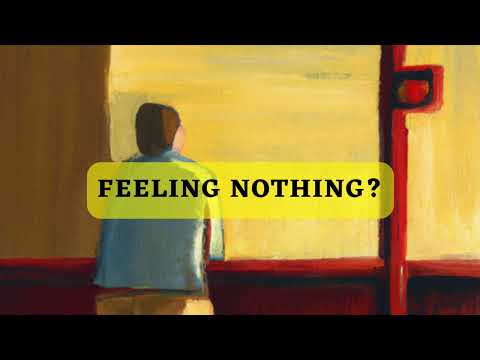
You know how there are times when you feel a storm brewing inside, but on the outside, everything looks calm? That’s kind of what it’s like dealing with Quiet EUPD.
It’s this tricky mental health thing where emotions run high, but you don’t show it. Instead, you bottle things up.
So, when people hear “EUPD,” they often think of the loud stuff—the anger and outbursts. But there’s another side to it that’s often overlooked: the silent struggle.
Like a friend of mine who dealt with this for years without anyone really noticing. She’d smile and laugh during the day, but at night? It was a whole different story.
In this piece, we’re gonna unpack what Quiet EUPD looks like and why it matters. Seriously important stuff here!
11 Subtle Indicators of Quiet Borderline Personality Disorder You Shouldn’t Ignore
Understanding Quiet Borderline Personality Disorder (BPD) can be a bit tricky since it often hides in the shadows. You might’ve heard of the more dramatic symptoms of BPD, but when it’s «quiet,» things can feel less obvious. Here are some subtle indicators that might suggest someone could be grappling with this condition.
1. Intense Self-Criticism: You know that nagging voice in your head that tells you you’re not good enough? For folks with quiet BPD, this voice can be deafening. It might not come out as anger or rage, but it’s a deep-seated belief that they’re always falling short.
2. Emotional Numbness: Sometimes, emotions can feel overwhelming, and you just wish you could shut them off. If someone feels nothing at all—or only slight feelings—it could be a sign of quiet BPD. They may seem distant or disconnected from their own experiences.
3. Internalized Anger: Instead of expressing anger outwardly, which is more common in other types of BPD, this internalized anger leads to self-harm or self-destructive behavior. It’s like they’re fighting battles inside their minds instead of letting it out.
4. Fear of Abandonment: This fear is often more subtle; it’s not about being overly dramatic when someone feels neglected but rather a quiet dread that makes them withdraw from social situations altogether.
5. Perfectionism: Wanting everything to be just right isn’t unusual, but for some folks, being unable to accept anything less than perfect can cause serious anxiety and stress—leading to avoidance of new challenges altogether.
6. Social Withdrawal: Unlike typical extroverts who thrive on interaction, those with quiet BPD may pull away from friends or activities they once loved due to fear of judgment or feelings of inadequacy.
7. Identity Issues: There may be an ongoing struggle with understanding who they are or what they want in life. This doesn’t always look dramatic; it might just manifest as indecision about career paths or personal goals.
8. Difficulty Relating to Others: They could struggle with feeling close to people without really knowing why—they might desire connection but find themselves pulling back when it comes time to establish intimacy.
9. Substance Abuse**: Sometimes people turn to alcohol or drugs as a way to manage invisible pain without fully realizing it. The substance use isn’t always obvious; it’s like drinking alone rather than going out with friends.
10. Chronic Feelings of Emptiness: It’s almost like walking around with a void inside—a heaviness that’s hard to shake off and difficult for others to see but deeply felt by the individual experiencing it.
11. Difficulty Managing Relationships**: While this might seem linked to fear of abandonment, individuals often oscillate between wanting closeness and pushing people away—creating confusion in their relationships without overt drama involved.
The thing is, recognizing these signals isn’t about placing blame or rushing into conclusions—it’s about understanding that mental health struggles often play out subtly behind closed doors. If you see these indicators either in yourself or someone close to you, approaching the subject compassionately is essential—you know? It opens up pathways for conversations and helps create support systems tailored for healing and understanding rather than judgment and isolation.
18 Subtle Signs You Were Raised with Quiet Borderline Personality Disorder
When it comes to understanding quiet borderline personality disorder (BPD), it’s a bit of a hidden struggle. You might not wear your heart on your sleeve or even know that you’re experiencing these feelings. But there are some subtle signs that can give you a clue that this might resonate with you. Let’s break it down, shall we?
- Chronic feelings of emptiness: You often feel like there’s something missing inside, but you’re not quite sure what it is.
- Emotional numbness: Sometimes, emotions just don’t seem to hit you the way they should. It’s like watching life through a foggy window.
- Fear of abandonment: Even if your friends and family are supportive, you might still feel anxious they’ll leave as if any moment could be the last.
- Difficulties expressing anger: Anger is an emotion that gets stuck—you might bottle it up until it explodes or just avoid it altogether.
- People-pleasing tendencies: You desperately want everyone to be happy, often at the expense of your own needs. It’s like your happiness depends on others.
- Sensitivity to criticism: When someone points out something about you, it can feel like a dagger—no matter how small the comment is.
- Avoiding conflict: You’d rather stay silent than risk an argument, even if it means packing away your feelings.
- Mood swings: Your emotions shift rapidly, sometimes feeling up one moment and down the next without clear reasons.
- Lack of self-identity: Who are you really? You might find yourself lost in what others think or wanting to fit in instead of knowing who you are deep down.
- Overanalyzing interactions: After hanging out with friends or having conversations, do you replay everything in your head? That second-guessing can be exhausting!
- Dissociation during stress: Under pressure, it feels like you’re floating outside yourself—watching life happen rather than living it.
- Binge eating or other compulsive behaviors: When emotions get heavy, some people turn to food—or other activities—to fill that void temporarily.
- Tendency to idealize and devalue friendships:You might oscillate between thinking someone is amazing and then feeling let down by them for small things. It’s confusing!
- Avoidance of intimate relationships:You crave closeness but also fear being hurt, leading to an odd push-and-pull dynamic in relationships.
- Tiger mom or perfectionist mentality imposed by upbringing:If growing up meant aiming for perfection constantly—even feeling like a failure if not—you might carry the weight into adulthood.
- Coping with silence as comfort but also distress:Your quiet moments may bring peace but also stir up feelings when left alone with your thoughts for too long.
- A sense of guilt after expressing needs or desires: Wanting something can feel selfish—almost as though expressing needs puts others out in some way!
If any of this hits home for you, it’s totally okay! Recognizing these traits doesn’t define who you are; it’s just part of understanding yourself better. The cool thing is knowing that reaching out for support—a therapist who’s familiar with BPD—can help navigate those complexities. Seriously! You’re not alone in this journey and there are ways to grow through these experiences together!
Understanding the Quiet BPD Test: Key Indicators and Insights into Emotional Challenges
Understanding Quiet BPD can feel like trying to catch smoke with your bare hands. The emotional struggles involved can be tough to pinpoint, especially since people with this form of Borderline Personality Disorder (BPD) often have a knack for hiding their feelings. You might have heard it called “quiet EUPD,” which stands for Emotionally Unstable Personality Disorder, and the name kind of sums up what it feels like for those who experience it.
Key Indicators of Quiet BPD typically surface in subtle ways. It’s not the explosive rage or high drama you might imagine when you hear about BPD. Instead, it’s more about internal chaos. Here are some common signs:
These things can create a loop where your thoughts spiral downwards. It’s kind of like being stuck in a maze with no exit sign in sight.
Now, living with Quiet BPD can make everyday situations feel intensely daunting. Let me share a quick story I heard once from a friend who dealt with this. They would sit in social gatherings and smile on the outside while their insides felt chaotic—like being at the edge of a cliff with nobody else around. They’d think everyone was having fun and enjoying life while they felt completely disconnected.
Navigating Emotional Challenges in Quiet BPD is all about recognizing these feelings and finding ways to express them healthily. Here’s how:
It’s essential to remember that you’re not alone if any of this resonates with you. Reaching out for support can make all the difference, whether it’s through therapy or connecting with others who understand what you’re going through.
Lastly, let’s not overlook the importance of safety plans. If things ever feel too heavy to carry alone, having steps mapped out to reach out for help is crucial. It’s like having an emergency exit plan for those emotional storms.
So yeah, understanding Quiet BPD takes time and patience—both from yourself and others around you—but knowing these indicators makes navigating those feelings just a little easier. Remember, you’re not just facing silence; there’s so much going on beneath the surface waiting to be understood. Keep talking; keep exploring; it’ll help!
You know, sometimes it’s the quietest people in the room who have the loudest struggles. This is something I’ve seen with folks dealing with Emotional Unstable Personality Disorder (EUPD), or Borderline Personality Disorder (BPD), as it’s often called. They might not be shouting or throwing things, but that doesn’t mean they’re not battling an invisible storm inside.
I remember a friend of mine who was diagnosed with EUPD a few years back. She had this incredible ability to blend into the background at parties. You’d see her sitting quietly, sipping her drink, a small smile on her face. But, man, I could tell how much she was hurting under that serene surface. There were days when she’d feel like she was on an emotional rollercoaster—fluctuating between feeling utterly alone and desperately wanting connection, yet pulling away at the same time.
The silence that comes with EUPD can be pretty profound. It’s like living in a world where you want to scream for help but feel trapped behind this invisible wall. It’s hard to express what you’re feeling when every emotion feels so intense and overwhelming—it’s exhausting!
Navigating friendships or relationships while living with EUPD can be tricky too. People might notice those mood swings and withdrawal episodes but may not understand why they happen. It can lead to feelings of isolation—like, “Am I too much?” or “Will anyone really get me?”
But here’s the thing: even within that silence, there are ways to reach out and connect. Therapy can be a real game-changer for many folks dealing with EUPD. Learning healthy coping mechanisms is key; it helps break down those walls just a little bit more each time you talk about what you’re going through.
It takes work and patience, both from yourself and from those around you. Friends need to understand that showing up for someone doesn’t always mean having all the answers or knowing exactly what to say; sometimes it’s just about being there—even in silence.
So if you’re navigating these waters yourself or know someone who is, remember that it’s okay to reach out for help or just sit quietly together in solidarity. You don’t have to carry all that weight solo; sometimes just being present is enough.