Hey, you! Let’s talk about something that’s been making waves in the world of mental health—Quillivant Liquid.
You know how sometimes, it feels like your brain is running a marathon but you can’t keep up? Yeah, that’s where this stuff comes in.
It’s not just your regular medication. It’s actually got a pretty unique role when it comes to managing certain conditions, especially ADHD.
Picture this: you’re feeling scattered, overwhelmed, and just plain stuck. That’s where Quillivant might step in to help get things back on track.
So, if you’re curious about how it all works and what makes it special, stick around! There’s a lot more to unpack here!
Understanding Methylphenidate: Uses and Benefits in Mental Health Treatment
Methylphenidate, yeah, it’s a bit of a mouthful, but this is a medication that plays a pretty big role in mental health treatment. It’s primarily used to help manage ADHD—Attention Deficit Hyperactivity Disorder. Basically, it helps people focus better and stay on task. It’s kind of like putting on glasses for your brain if you think about it.
When we talk about **Quillivant Liquid**, that’s just one form of methylphenidate. So if popping pills isn’t your thing or you have trouble swallowing them, the liquid version can be super helpful. You just measure out the dose and drink it up!
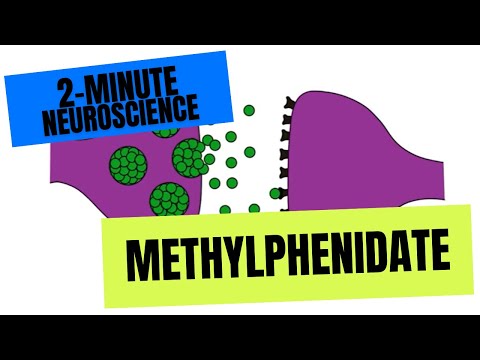
This medication works by increasing levels of certain chemicals in the brain—dopamine and norepinephrine to be specific. These guys are crucial for attention and impulse control. So when you take methylphenidate, you’re helping your brain do its job more effectively!
Now let’s look at some of the benefits:
- Improved Focus: For someone with ADHD, everyday tasks can feel monumental. Methylphenidate helps sharpen that focus.
- Better Impulse Control: Many people find themselves acting before thinking things through. This med helps slow things down a bit.
- Enhanced Academic Performance: Kids in school often see a big difference in how they manage their work after starting this medication.
- Liquid Formulation Benefits: Quillivant Liquid can be easier to dose for younger kids or those who struggle with pills.
I once knew a kid named Jake who had serious trouble sitting still and concentrating at school. He would get so easily distracted and often missed important lessons. After talking with his parents and doctors, they decided to try Quillivant Liquid. Within weeks, he was able to stay focused during class without fidgeting as much—it was like he finally found his groove!
But, like anything else, there are some important considerations here too. Some folks experience side effects—like trouble sleeping or decreased appetite—which is something you need to keep an eye on when starting any new medication.
It’s always best to have open conversations with healthcare providers about whether methylphenidate is the right choice for you or your child. Everyone’s brain works differently, and what works wonders for one person might not be suitable for another.
In short, methylphenidate can really change lives but understanding how it fits into mental health treatment is super crucial! If you’re considering this route or just curious about its role in managing ADHD through medications like Quillivant Liquid, chat with someone who gets it!
Discover the Benefits of Quillivant: How It Supports Mental Health and Well-Being
Quillivant is a medication that’s often prescribed to help manage ADHD, particularly in children and sometimes adults. It’s a liquid form of methylphenidate, which is a stimulant that affects certain chemicals in the brain. So, what’s the deal with Quillivant when it comes to mental health? Let’s break it down.
First off, it can help improve focus. For someone with ADHD, staying on task can be super tough. You know how it feels when your brain just won’t cooperate? Quillivant aims to help sharpen that focus. With the right dosage, users often report feeling more able to concentrate on schoolwork or daily activities.
Another benefit is its ability to reduce impulsivity and hyperactivity. Picture a kid bouncing off the walls—it’s exhausting for everyone involved! When those symptoms are managed effectively with Quillivant, life gets a little calmer both for the individual and their family.
Then there’s the social aspect. ADHD often makes social interactions a bit tricky. Friends aren’t always easy to keep when you can’t sit still or wait your turn in conversation. Taking Quillivant might help someone be more present in social situations—like listening instead of interrupting—and that can lead to better relationships.
People also talk about an improvement in self-esteem after starting this medication. Think about it: If you’re finally able to contribute in class or hang out without feeling awkward, you might start seeing yourself differently! That boost can really impact overall mental health.
Of course, everyone reacts differently to medications like Quillivant—some may feel great benefits while others might experience side effects such as appetite changes or trouble sleeping. It’s totally crucial to work closely with a doctor during this process so adjustments can be made if needed.
So yeah, while Quillivant isn’t a magic pill that solves everything overnight, for many people dealing with ADHD, its role in helping manage symptoms leads to noticeable improvements in daily life and overall well-being.
Exploring Stimulants for Enhanced Mental Focus: A Comprehensive Guide
Stimulants can play a significant role in enhancing focus and managing certain mental health conditions, especially for folks dealing with ADHD. You might have heard of Quillivant XR, which is a liquid form of the stimulant methylphenidate. It’s designed to improve attention span and concentration in people who struggle with focus.
What are Stimulants?
Stimulants are medications that increase activity in the brain, helping you feel more alert and focused. They work by boosting the levels of certain neurotransmitters, mainly dopamine and norepinephrine, which are key players when it comes to mood and attention.
How Quillivant Works
Quillivant XR is unique because it’s a liquid suspension, making it easy to take—and hey, that can be a big deal for those who hate swallowing pills! The medication starts working pretty quickly after you take it. You might notice an improvement in your ability to concentrate about 30 minutes after ingestion.
Who Can Benefit?
Generally, Quillivant is prescribed for children and adults diagnosed with ADHD. Imagine a kid who sits in class daydreaming when they should be paying attention; stimulants can help them focus on lessons instead of doodling.
Dosage Considerations
Doctors usually start patients on a lower dose to see how they respond. It’s crucial to find the right dosage that maximizes benefits while minimizing side effects like anxiety or insomnia. That’s why frequent check-ins with your doctor are super important.
Potential Side Effects
Even though stimulants like Quillivant can be helpful, they aren’t without their downsides. Some common side effects include increased heart rate, loss of appetite, or sleep problems. It’s not uncommon for someone using Quillivant to feel restless or jittery at times.
The Role of Therapy
While medication can help significantly, combining it with behavioral therapy often leads to even better outcomes. Think about therapy as added support—it helps you develop coping strategies and skills that can work alongside the medication.
In closing—well not really closing but you know what I mean—if you’re considering something like Quillivant for mental health management, keep an open dialogue with your healthcare provider. They’ll guide you based on personal needs and experiences because every individual’s journey through mental health is unique!
Quillivant XR, the liquid form of a medication usually aimed at treating ADHD, has become quite a topic of conversation in the mental health community. If you’ve seen someone you care about struggle with attention issues, then you might understand how overwhelming that can be. It’s not just about being distracted; it can really affect a person’s whole life—school, work, relationships… everything.
Now, picture this: you’re trying to focus on something important, say, an assignment or even just having a chat with your friends. But your mind is racing all over the place. That was how my buddy Sam felt before he started Quillivant. He’d bounce from one thought to another like he was on a trampoline. It didn’t help that people around him sometimes thought he was just being lazy or not trying hard enough when it was so much more than that.
So here’s where Quillivant steps in. This liquid medication works by helping to regulate certain chemicals in the brain called neurotransmitters, making it easier for folks like Sam to concentrate and follow through on tasks. It’s kind of like turning down the volume on all those chaotic thoughts and helping to focus on what really matters at the moment.
You know what’s interesting? The liquid form can actually be a game changer for some people. Not everyone likes pills—maybe they have trouble swallowing them or just prefer something easier to take. Quillivant makes it accessible for those who might otherwise struggle with standard tablets. Plus, its extended-release formula means that it can last throughout the day, which is super helpful when someone has a packed schedule.
Of course, like with anything involving medications, there can be side effects or concerns to navigate. Sometimes people might feel jittery or have difficulty sleeping when starting out with medications like Quillivant. That’s why it’s important to work closely with healthcare professionals who get the nuances of mental health management.
For Sam and others dealing with ADHD, finding something that helps maintain focus without losing their spark is crucial—being able to engage fully in life without feeling constantly distracted is such a relief! Although medications like Quillivant aren’t for everyone and might not solve every problem under the sun, they can definitely play an important part in someone’s journey toward better mental health and well-being.
So yeah, understanding how these treatments fit into our lives is key. Medications are tools—helpful ones—but they’re often most effective when paired with counseling or therapy that addresses emotional experiences too! In reality, it’s all about finding balance together—that’s where real growth happens.