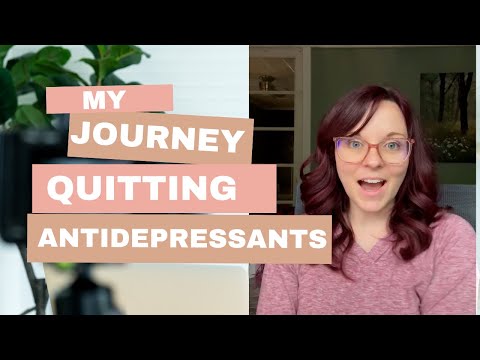
So, you’re thinking about quitting your SSRIs, huh? That’s a big deal, my friend. It can feel like standing at the edge of a cliff, staring down into the unknown. Exciting? Sure! But also a little scary.
You might have mixed feelings—like relief and panic all wrapped up into one, which is totally normal. Trust me, you’re not alone in this. Many people have gone through it. And talking about it can be really helpful.
Let’s unpack this journey together. We’ll chat about why you’re considering stopping, what lies ahead, and how to do it in a way that feels right for you. Ready? Cool!
Understanding Recovery: How Long Does It Take for the Brain to Normalize After Discontinuing SSRIs?
So, you’re thinking about quitting SSRIs, huh? That’s a big move. If you’ve been using selective serotonin reuptake inhibitors (SSRIs) for a while, your brain has definitely gotten used to them. But what happens when you stop? How long does it actually take for your brain to get back to, well, normal?
First off, SSRIs work by increasing serotonin levels in your brain. Serotonin’s often called the “feel-good” neurotransmitter because it plays a key role in mood regulation. When you suddenly stop taking them or even taper off gradually, your serotonin levels can dip. This might lead to a bunch of emotions and sensations that can feel pretty intense.
Here’s the deal: everyone’s different. The timeline for recovery varies widely among individuals. But generally speaking, some changes often happen in these stages:
- Initial Withdrawal Symptoms: These could start within a few days after stopping SSRIs. You might feel dizzy, anxious, or have “brain zaps”—those weird electric shock feelings in your head.
- Short-term Effects (1-3 weeks): Your body is getting used to the absence of the meds. Mood swings can be common during this time.
- Normalization Phase (1-6 months): As time goes on, many people start feeling more like themselves again. It might take a few months before everything feels stable again.
- Long-term Recovery (6 months+): For some folks, it can take up to a year or even longer before they’re fully stabilized and feel like they’ve regained their baseline emotional health.
Imagine someone named Sarah who was on SSRIs for anxiety for about three years. When she decided to stop taking them, she felt a wave of nausea and irritability right away—classic withdrawal stuff. Over the next couple of weeks, her mood was all over the place; sometimes she felt hopeful and other times really down.
After about two months of being off SSRIs, Sarah noticed that her anxiety was starting to come back but less intensely than before. By around six months in, she had more good days than bad ones and started picking up her hobbies again—like painting and going on walks with friends.
It’s totally normal for things to fluctuate during this time. Your brain is literally finding its balance again!
On top of that, it’s super important to stay connected with your healthcare provider during this journey. They can help navigate any tough spots and offer strategies for coping with withdrawal symptoms.
Also worth mentioning—some people experience *post-SSRI sexual dysfunction* or other lingering effects after they stop taking SSRIs too quickly without proper guidance from their doctor.
The main takeaway? Everyone’s journey is unique! Recovery from SSRI discontinuation can take longer for some than others, but knowing what signs to look out for helps you prepare better.
Just remember: Be kind to yourself through this process! It’s seriously not easy but reaching out for support from friends or professionals can make all the difference as you navigate this journey toward feeling like yourself again!
Understanding the Timeline: How Long Does It Take to Discontinue SSRIs Safely?
When it comes to SSRIs, or selective serotonin reuptake inhibitors, many folks find themselves wondering about the timeline of discontinuing these medications safely. It’s a big deal because going off SSRIs isn’t just a “stop taking them” kind of deal. There’s a lot more to it than that.
First off, what are SSRIs? They’re medications often prescribed for depression and anxiety. They work by increasing serotonin levels in your brain, which can really help with mood. But if you’ve been on them for a while, deciding to quit can feel daunting.
Now, how long does it actually take to discontinue SSRIs? Well, there isn’t a one-size-fits-all answer here. The timeline varies based on several factors: how long you’ve been on the medication, the dose you were taking, your individual response to the drug, and other personal health conditions.
You usually don’t want to just stop cold turkey. It can cause withdrawal symptoms like dizziness or irritability—kind of like when you forget your morning coffee! So, most doctors recommend a gradual tapering approach.
For some people, this tapering process may take weeks to months. If you had been on a higher dose for years, maybe you’ll need to slow down even more! You might cut back by 25% every few weeks at first; then see how your body reacts before making further cuts.
It’s super important to keep in touch with your healthcare provider during this time. They can help you manage any discomfort you might feel as your body adjusts. For instance:
- You might experience some mood swings.
- Sleep disturbances could pop up.
- Your anxiety might feel heightened, temporarily.
And if things get too tough? Don’t hesitate to reach out for help!
Also, something else worth mentioning is that everyone’s experience is unique. Like my friend Jess—she was on an SSRI for about three years and found that reducing her dose slowly over two months worked well for her. Other friends I know went through similar processes but took longer because they had more intense withdrawal symptoms.
In short, quitting SSRIs safely is all about patience and communication with a doctor who knows your history and can guide you through it smoothly. Take it step by step! This journey can be challenging at times—but also rewarding in finding your balance again.
Navigating Antidepressant Withdrawal: Which Medications Are the Most Challenging to Discontinue?
Navigating the journey of quitting SSRIs can be tricky, especially when it comes to withdrawal. Seriously, some people feel like they’re riding a roller coaster of emotions, and it’s not always a fun ride. When you’ve been on antidepressants for a while, your body can get pretty used to them. That makes stopping not just a walk in the park.
So, let’s chat about which medications tend to throw the biggest tantrums when it’s time to say goodbye.
Selective Serotonin Reuptake Inhibitors (SSRIs) are commonly used antidepressants, but some are tougher than others to quit. Here are a few that might give you more trouble:
- Fluoxetine (Prozac): While it has a longer half-life and may cause milder withdrawal symptoms compared to others, some folks still experience issues like anxiety or irritability.
- Paroxetine (Paxil): This one is notorious for withdrawal symptoms. Many people report feeling dizzy or having flu-like symptoms once they start tapering off.
- Sertaline (Zoloft): Some folks find Zoloft hard to stop taking too, with withdrawal symptoms that can include emotional swings and digestive upset.
But what actually happens during withdrawal? Your brain adjusts when you take these meds regularly, changing how it processes chemicals like serotonin. When you suddenly stop or taper too quickly, those adjustments kick back in and can cause all sorts of issues. You might feel like all your old worries come rushing back at once.
Remember that emotional experience I mentioned? Well, I remember talking to someone who had been on Paxil for years. When they tried to quit cold turkey because their doctor moved away—talk about unfortunate timing—they described feeling so low they could barely get out of bed. It was tough seeing them go through something so rough just because of medication changes.
Withdrawal Symptoms can include:
- Dizziness
- Nausea
- Insomnia
- Anxiety or heightened mood swings
The thing is, everyone reacts differently based on factors like how long they’ve been on the drug and their overall health situation. Some people might get through this relatively unscathed; others might find it quite challenging.
So what’s the best way to tackle this? If you find yourself planning to discontinue any antidepressant—especially ones known for tougher withdrawals—it’s best not to rush things. Consulting with your healthcare provider about a gradual tapering plan is key.
All in all, quitting SSRIs isn’t just about stopping meds; it’s about really taking care of yourself during the process and acknowledging what your body is going through. Remember this: You’re not alone in this journey!
Quitting SSRIs, or selective serotonin reuptake inhibitors, can feel like a bit of a rollercoaster ride. Seriously, it’s not just about stopping a medication; it’s about untangling a web of emotions and experiences that we’ve been relying on for support. I’ve had friends who’ve gone through this journey, each with their own story to tell.
One friend, let’s call her Jess, was on SSRIs for anxiety for years. When she finally decided to quit, it wasn’t just flipping a switch. There were moments when she felt exhilarated—like she was regaining control over her life and emotions. But there were also dark patches where anxiety crept back in and made everything feel overwhelming again.
The thing is, SSRIs balance things out by increasing serotonin levels in your brain. When you pull the plug on that support system suddenly—or even gradually—you might experience withdrawal symptoms or what some people call “discontinuation syndrome.” That can mean mood swings, fatigue, brain fog…you name it! It’s kind of like you’ve been sailing smoothly on a boat, and suddenly you hit choppy waters.
But here’s where it gets interesting: The process isn’t just about the physical side effects. Emotionally? It’s like peeling back layers of an onion. You start to notice feelings you might’ve suppressed during your time on meds. Some days are great—you’re feeling lighter and more alive—but then there are days where sadness or irritability bubbles up unexpectedly.
That’s why it’s super important to have support while navigating this journey. Friends who understand or maybe even professionals who get it can make all the difference. It can feel isolating to talk about all the shifting waves of emotion that come up when you’re trying to find your footing again.
And here’s a little nugget I’ve learned—sometimes the journey isn’t as linear as we hope. You might take two steps forward and then one step back or even two steps back before moving forward again. It’s totally okay! Everyone moves at their own pace; everyone has their own story.
So if you’re thinking about tapering off SSRIs, or you’re already in the thick of it? Just remember, you’re not alone in this tidal wave of feelings and experiences—it’s all part of finding your way back into yourself again. Take your time and listen to what your mind and body are telling you along the way; that’s what really matters most in this whole process!