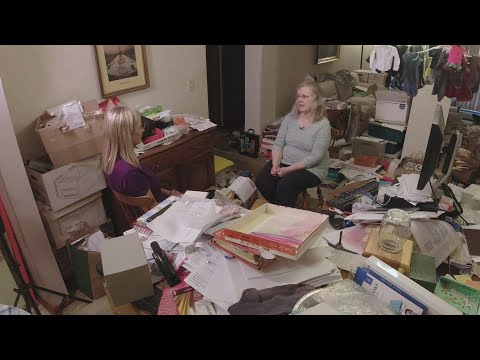
So, let’s talk about hoarding for a sec. You might’ve seen those shows or heard stories about folks who can’t let go of stuff.
It’s kinda wild, right? But there’s a lot more happening under the surface than just a messy house.
Hoarding isn’t just about clutter; it ties deeply into mental health. It can seriously impact emotions, relationships, and even daily life.
I remember chatting with a friend whose grandma hoarded newspapers from decades ago. The house was packed! It wasn’t just junk; it was memories and feelings, you know?
So, what’s really going on here? Let’s break it down together and see how hoarding connects to mental well-being.
Understanding the Psychological Effects of Hoarding: Impacts on Mental Health and Well-being
Hoarding can be a pretty intense issue, affecting not just your living space but also your entire mental landscape. It’s more than just having a full garage or a cluttered closet. When we talk about hoarding, we’re looking at a mental health challenge that often intertwines with emotions and past experiences.
First off, what is hoarding? It’s a condition where someone struggles to part with possessions, even if they have little or no value. This behavior can stem from various emotional reasons—fear of losing memories, anxiety about making the wrong decisions, or even just feeling overwhelmed by the world.
People who hoard often find themselves trapped in their clutter. You might be surprised to learn that around 2-6% of the population deals with this in some way! So yeah, it’s more common than you might think.
The psychological effects? Oh boy! Hoarding can lead to serious issues like anxiety and depression. Imagine you can’t even invite friends over without feeling embarrassed or ashamed because of all the stuff lying around. It creates a cycle where isolation increases as social interactions become limited due to the living conditions.
Here are some key points to consider:
- Loss of control: Hoarding often leaves individuals feeling overwhelmed and out of control in their lives.
- Anxiety: The fear of making decisions about what to keep or toss can create constant stress.
- Shame and guilt: Many people hoard and know they should change but feel bad about it.
- Relationship strain: Family members may struggle to connect, leading to tension.
- Coping mechanism: For some, hoarding is how they deal with loneliness or grief.
I once knew someone who couldn’t get rid of anything after losing a loved one; each trinket was tied to memory and loss. Holding on felt safer than letting go—it was heartbreaking yet understandable.
Treatment options do exist! Cognitive Behavioral Therapy (CBT) is one effective path that helps people reframe their thoughts around possessions and decision-making. It’s not an overnight fix, but many find clarity through working with mental health professionals who specialize in hoarding.
Ultimately, being aware of these psychological effects helps break down stigma and allows for deeper understanding. So if you or someone you know is dealing with this kind of situation, reaching out for help can make all the difference. You’re not alone in this journey—there’s support out there!
Exploring the Psychological Causes Behind Hoarding: Understanding the Mindset
Hoarding is one of those things that can seem wild from the outside. You know, when you see a person’s home overflowing with stuff? But digging into the psychological causes behind it really sheds light on what’s happening in someone’s mind. Seriously, it’s about so much more than just collecting things.
First off, hoarding often stems from a complicated mix of emotional experiences. Many people who hoard have faced tough situations in life—loss, trauma, or even chronic anxiety. Imagine losing something really important to you and then holding onto everything around you as a way to feel secure again. The thought process isn’t always about believing everything has value; sometimes, it’s more like “I can’t let go.”
Another important aspect is the role of perfectionism and indecisiveness. Think about this: if you struggle to make choices in daily life, deciding whether to keep or toss things can feel overwhelming. You might think, “What if I need this someday?” This leads to people holding onto items out of fear of making the wrong choice.
Also, there’s this sense of *sentimentality* tied up in hoarding behavior. People may develop strong emotional attachments to objects because they remind them of people or places they care about. That old teddy bear? It might be a connection to happier times or lost loved ones.
Then there’s the impact on mental health. Hoarding isn’t just clutter; it creates stress and anxiety in everyday life too. Picture waking up every day surrounded by chaos—it’d be hard to focus or feel at peace with that kind of environment, right? This can lead to feelings of shame and social isolation as well since many who struggle with hoarding hide their living conditions out of fear of judgment.
And let’s not forget about cultural factors. Sometimes, societal influences play a role too—what’s considered valuable or worthy can vary widely across cultures and communities. For example, some cultures cherish holding onto family heirlooms while others might not see value in items unless they are useful right now.
In terms of treatment options for hoarding disorder, therapy usually plays a big role—especially cognitive-behavioral therapy (CBT). This approach helps individuals challenge their beliefs about possessions and learn new ways to cope with emotions tied to these items.
At the end of the day, understanding hoarding involves peeling back layers wrapped around personal experiences and psychological factors—it’s not simply a case of being messy! It’s important for friends and family members dealing with someone who hoards to approach them with compassion rather than frustration.
Hoarding is complex but also deeply human. Recognizing that helps all of us understand why some folks cling so tightly to their stuff—and maybe even nudge us towards being kinder as we navigate our own spaces and belongings.
Understanding the Psychological Challenges of Hoarding: Insights into Hoarding Disorder
Hoarding disorder can be a real struggle, you know? It’s like having a personal battle with stuff – both physical and emotional. People who hoard collect and keep so many items that it seriously affects their living conditions. This isn’t just about being messy or disorganized; it’s a complex psychological issue.
**So, what exactly is hoarding disorder?** Well, it’s classified as a mental health condition where individuals find it super hard to let go of possessions, regardless of their actual value. Think about an overflowing closet or stacks of newspapers that have turned into mini mountains in your living room. It’s not just clutter; for those affected, every item has some kind of significance. They might feel anxious at the thought of parting with these items.
**Here are some key factors to consider:**
**And then there’s the social impact!** Hoarding can affect relationships with family and friends because they might not understand what the person is going through. Picture this: a loved one feels embarrassed about the state of their home but can’t seem to do anything about it. It creates a cycle of shame and isolation.
I remember talking to someone who was dealing with this firsthand. They mentioned how hard it was every time a family member visited. They felt judged but also helpless because they knew how much they had accumulated over time yet couldn’t bring themselves to clear things out.
**What about treatments?** There are options out there! Therapy is usually the go-to, particularly cognitive-behavioral therapy (CBT). This type focuses on changing unhealthy thought patterns related to possessions and helps build coping strategies for decision-making.
Then there’s medication. While no specific meds target hoarding directly, some people benefit from antidepressants or anti-anxiety medications as part of an overall treatment plan.
It’s essential for folks with hoarding disorder to know they’re not alone. There are support groups and therapists who understand what they’re going through and can offer guidance without judgment.
In short, while hoarding can be tough on mental health and daily life, understanding its roots helps us approach it with compassion rather than criticism. So if you or someone you know is struggling, reaching out for help could be the first step in turning things around!
Hoarding is one of those things that really makes you stop and think about how our stuff can take over our lives, right? I mean, it’s not just about holding on to things; it’s a whole emotional journey. When someone hoards, it’s often tied to feelings of anxiety, depression, or trauma. You might even find that the clutter isn’t just physical—it’s like mental clutter too.
Imagine a friend who’s got this tiny apartment, and every inch is packed with old newspapers, worn-out clothes, and random trinkets from who-knows-when. At first glance, it looks like they just adore collecting things. But when you talk to them, you realize it’s not that simple. They might feel overwhelmed by the fear of letting go—like those items hold memories or comfort. It’s so powerful that they can’t see how keeping everything is actually making them feel worse.
The psychological effects of hoarding can be far-reaching. People often feel guilt and shame about their living conditions, which can lead to isolation. They might not invite friends over or even enjoy their own space anymore because they’re weighed down by the mess. It’s heartbreaking when you see someone trapped in their own home because of their belongings.
And here’s where it gets tricky: the very act of decluttering can send waves of panic through someone who hoards. Think of it like pulling a thread on an old sweater—the whole thing could unravel! That anxiety can make any attempts at getting organized feel impossible.
But recovery is possible! With therapy and support, many people learn healthier ways to cope with their feelings about stuff and what it represents in their lives. The journey might be tough—a bit like climbing a mountain—but every step forward counts.
So if you know someone dealing with hoarding or if you’re battling this yourself, remember there’s no shame in reaching out for help. Just knowing there are people who understand your struggle can make a huge difference!