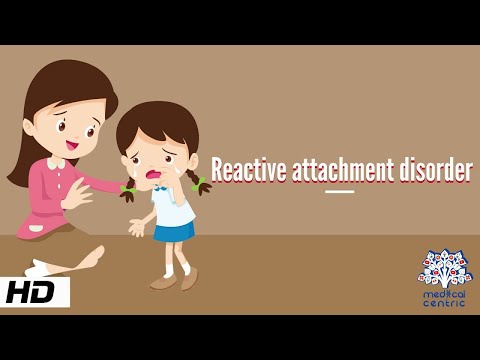
You know how some people just seem to connect effortlessly with others? And then there are those who struggle, feeling like they’re always on the outside looking in.
Well, that’s often tied to something called attachment styles. It’s this pretty fascinating concept that explains how we bond with others from the get-go.
So, let’s talk about “rad attachment.” This isn’t just a fancy term; it’s got real impact on our mental health and relationships.
Ever felt that knot in your stomach when you think about intimacy? Yeah, it could be linked to how you were attached as a kid. It’s wild stuff when you think about it!
Understanding the Lifelong Impact of Reactive Attachment Disorder (RAD) in Adulthood
Reactive Attachment Disorder (RAD) can leave some pretty significant marks on a person as they move into adulthood. It’s like being shaped by a childhood where bonding was tough. So, let’s break down how this plays out later in life.
What is RAD? It starts in childhood, really. Kids with RAD often struggle to form healthy emotional attachments. They might have had inconsistent care or even trauma during their early years. This lack of stable relationships creates a foundation for difficulties down the road.
As adults, the impact of RAD shows up in various ways:
- Difficulty with Relationships: Building trust can feel nearly impossible. You might notice that friends and partners often seem distant or untrustworthy.
- Emotional Regulation Issues: Feelings might swing from zero to sixty without warning. A small disagreement could trigger huge emotions, making it hard to cope.
- Anxiety and Depression: Many adults with RAD face higher rates of these mental health conditions. It’s like carrying around a heavy backpack filled with worry.
- Low Self-Esteem: Coming from an unstable background can make you question your worth. You might find yourself feeling inadequate or unlovable.
One example that comes to mind is a friend of mine named Jake. He grew up feeling rejected because his caregivers tended to pull away whenever he reached out for comfort. Now, as an adult, he has trouble trusting anyone who tries to get close to him. He tends to push people away, fearing they’ll leave him just like those early caregivers did.
Coping Mechanisms are often warped too. People with RAD might turn to substances or unhealthy relationships just to feel something real – even if it’s not good for them. It’s like finding temporary relief but ending up trapped in a cycle that makes everything worse.
Therapy can really help those dealing with the aftermath of RAD as adults but finding the right fit is key—someone who understands attachment issues specifically is important here! Approaches like trauma-informed care can create space for healing.
Another thing? Support groups can be invaluable! Sharing experiences and learning from others can offer insights that help break down those walls built in childhood.
So yeah, living with the impact of Reactive Attachment Disorder isn’t easy—but understanding it is a big first step toward healing and building healthier relationships in adulthood. It’s not about blaming the past; it’s about figuring out how to move forward!
Exploring the Impact of Attachment Styles on Mental Health and Well-Being
So, let’s chat about attachment styles. They’re like the blueprints for how we connect with others. How you form bonds can really shape your mental health and overall well-being. Sounds deep, right? But stick with me.
What happens is that our attachment styles are often formed in childhood. If you had caregivers who were responsive and loving, you’re likely to have a secure attachment style. That means you feel comfortable with intimacy and trusting others. It’s like having a solid foundation for building relationships.
On the flip side, there are other styles: anxious, avoidant, and disorganized. Each of these can stir up issues later in life.
- Anxious Attachment: People with this style often worry about their relationships. They might feel insecure and need constant reassurance from their partners or friends. This can lead to anxiety or depression if they constantly fear abandonment.
- Avoidant Attachment: Individuals here tend to keep their distance emotionally. They might value independence to the point where they struggle with intimacy. This avoidance can lead to feelings of isolation or even lead to depressive symptoms because they don’t let others in.
- Disorganized Attachment: This one can be pretty chaotic—a mix of anxious and avoidant behaviors. Someone with this style might crave connection but also push people away out of fear or confusion. It’s like being pulled in two different directions; it’s tough on mental health.
Let’s take a moment for an example here: Picture someone with an anxious attachment style who gets into a new relationship. At first, everything seems great! But then they start overthinking texts—»Did I say something wrong? Why haven’t they replied?» This ongoing worry can drain their emotional energy, leading them into a spiral of anxiety or even panic attacks.
And then there’s another person who avoids closeness due to past hurts—maybe they had a parent who was inconsistent or neglectful when they were little, so now they’re just wary of getting too close to anyone because they’re afraid of getting hurt again.
But it doesn’t end there! Your attachment style influences not just romantic relationships but friendships and family dynamics too. A secure person is more likely to form healthy connections across the board—at work, in friendships, everywhere.
So what do we do about it? Understanding your own attachment style is key! Once you know how you relate to others, it becomes easier to recognize patterns that might be causing problems in your mental wellbeing.
Seek out support if needed—a therapist can help unravel these sticky threads tying your past experiences to your current feelings and behaviors; kinda like untangling headphones after they’ve been shoved into your pocket.
The bottom line? Your attachment style plays a massive role in shaping how you interact with the world around you and manage stressors that come along the way—so knowing yourself better can open doors for growth!
Understanding Reactive Attachment Disorder in Adults: Causes, Symptoms, and Treatment Options
Reactive Attachment Disorder (RAD) isn’t just a childhood issue; it can seriously affect adults too. You might be thinking, what’s going on with that? Well, let’s break it down.
So, RAD generally develops in children who experienced severe neglect or disrupted attachments early in life. When these kids grow up, the effects don’t magically fade away. They often carry patterns of difficulty in forming meaningful relationships into adulthood. Picture this: it’s like having a wall built around your heart. You know you want to connect with others, but that wall makes it tough.
Now, let’s chat about the causes. The thing is, RAD stems from those early experiences during critical stages of emotional development. Some possible causes include:
- Severe neglect: This could mean not receiving enough care or emotional support.
- Frequent changes in caregivers: You know, bouncing around between foster homes or even family members can shake things up.
- Traumatic experiences: Think of abuse or exposure to violence during childhood.
Moving on to symptoms, adults with RAD might show some noticeable behaviors. They may struggle with trust and have trouble forming secure relationships. Here are some signs you might see:
- Avoidance of emotional connections: Like keeping people at arm’s length.
- Difficulties in managing emotions: Sometimes feeling intense anger or sadness without clear reasons.
- Anxiety or hypervigilance: Always feeling on edge like something bad is about to happen.
It’s really heartbreaking sometimes because people want love but can’t seem to get close without feeling scared or overwhelmed.
Treatment options? There are several approaches that can help adults navigate their struggles with RAD:
- Therapy: This is usually a solid starting point. Cognitive Behavioral Therapy (CBT) can help change negative thought patterns that hold you back.
- Attachment-focused therapy: This type works directly on building healthier relationships and improving attachment styles.
- Group therapy: Being in a safe space with others who understand can be incredibly healing—like you’re not alone after all!
But here’s the thing: recovery is often a journey filled with ups and downs. It takes time and patience—just like when you’re trying to break down that emotional wall we mentioned earlier.
In summary, Reactive Attachment Disorder doesn’t end at childhood—it carries over into adult life, affecting how you connect with others and handle emotions. Understanding your own experiences can be the first step toward healing and building deeper connections down the road. If you think you might relate to any of this stuff we’ve talked about, reaching out for professional help could really make a difference!
You know, attachment is one of those things that we often overlook, but it’s super important for our mental health. I mean, think about it: the way we connect with others—especially in our formative years—can really shape who we become as adults.
So let’s talk about Reactive Attachment Disorder (RAD) for a sec. This is something that usually pops up in kids who have been through tough situations, like neglect or inconsistent caregiving. These kiddos often struggle to form healthy relationships because they didn’t get the secure base that most of us take for granted. It’s kind of heartbreaking when you think about it.
I remember a friend of mine who worked with children in foster care shared her story about a little girl named Mia. Mia was seven and had bounced around several homes. She found it really hard to trust anyone—even those trying to help her. When someone reached out for a hug, Mia would freeze up or push them away. You could see the fear in her eyes, like she was protecting herself from being hurt again.
The thing is, when kids like Mia don’t develop secure attachments early on, it can lead to some serious mental health challenges down the road—like anxiety or depression. And it doesn’t just stop there; these patterns of behavior can follow them into adulthood too! Imagine navigating friendships and romantic relationships while carrying that weight; it must be exhausting.
But here’s where it gets hopeful: even kids diagnosed with RAD can start healing with the right support and therapy. Just knowing there’s a chance for connection and understanding can be life-changing. Therapists often work on building trust first—like little steps toward forming healthy attachments.
In short, attachment styles are way more than just buzzwords; they weave through our lives in profound ways. Whether it’s how we approach love and friendships or how we handle stress and setbacks—it’s all connected! So yeah, nurturing those bonds early on isn’t just important; it’s crucial for building resilience later on in life.