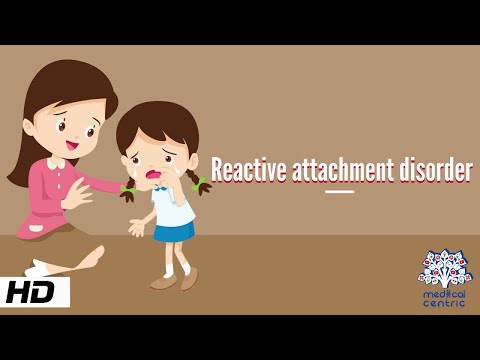
Hey there! So, let’s chat about something pretty wild—mental health diagnoses. You know how sometimes, things just don’t add up? Like, you’re feeling low and can’t figure out why?
Well, that’s what makes mental health so tricky. There’s no simple test like with a cold or a broken arm. It’s messy, emotional, and full of shades of gray.
And here’s the kicker: the way we think about these diagnoses is changing fast. Like, seriously. You’ve got people pushing for new perspectives—more understanding, less stigma.
Curious? Stick around as we dive into this whole new world of thinking about mental health!
Understanding Reactive Attachment Disorder: Potential Long-Term Effects and Transitions
Reactive Attachment Disorder (RAD) is a complicated mental health condition that usually shows up in kids who haven’t had stable, nurturing relationships early in life. It can be tough for these kiddos to form connections as they grow up. That’s the thing—you can’t just blame RAD on one event or person. It’s often the result of multiple factors, like neglect, abuse, or being moved around a lot between different caregivers.
The potential long-term effects of RAD can show up in various ways. Kids with RAD might struggle with emotional regulation, meaning they have a hard time handling their feelings. You know how sometimes you get really upset and can’t calm down? Imagine feeling that way all the time—like you’re stuck on a rollercoaster with no control over when it stops.
Here are some possible long-term effects to consider:
- Difficulty forming relationships: People with RAD might find it challenging to bond with others, whether it’s friends, family, or romantic partners.
- Low self-esteem: These individuals may often feel unworthy or unlovable because of their early experiences.
- Behavioral issues: Some kids might act out aggressively or withdraw entirely as a response to their emotions.
- Anxiety and depression: It’s pretty common for those with RAD to develop anxiety or depressive disorders later in life.
For example, think about a child named Jamie who was often moved from one foster home to another without any real sense of stability. As Jamie reaches adolescence, he finds himself pushing people away whenever they try to get close—just out of fear. He might not even fully understand why he does this.
Transitioning into adulthood can also be tricky for individuals with RAD. A lot of them may carry unresolved trauma into their adult lives, affecting jobs and friendships alike. They could feel overwhelmed when faced with stressors that other people handle more easily.
But here’s where things get important: Treatment is available! Therapy options like attachment-focused therapy can help individuals work through their feelings and develop healthier relationships. Just having someone acknowledge what they’ve gone through can make a massive difference; it’s like shining a light in the dark corners of their mind.
So yeah, understanding Reactive Attachment Disorder isn’t just about diagnosing it—it’s really about transforming perspectives on how we view attachment and connection as fundamental human needs. By recognizing the long-term effects and supporting those affected through transitions in life, we empower them to heal and grow from those early wounds.
In summary, RAD impacts emotional connections profoundly but doesn’t define someone forever. Healing is possible! Whether it’s through therapy or supportive relationships, there’s hope on the horizon for anyone navigating this challenging journey.
Overcoming Reactive Attachment Disorder (RAD) in Adulthood: Effective Strategies for Healing
Overcoming Reactive Attachment Disorder (RAD) as an adult can feel like a mountain to climb. This isn’t just about having childhood struggles; it’s about how those struggles shape your relationships and emotional health now. So, let’s break it down.
Understanding RAD is crucial. Basically, it’s a disorder that comes from not forming healthy attachments in childhood, often due to neglect or trauma. As an adult, you might find yourself pushing people away or feeling anxious in relationships. They say attachment issues stem from the bonds we form with our caregivers early on, and if those bonds are shaky, it can create a ripple effect throughout your life.
Now, let me share a quick story. Picture someone named Alex. For years, Alex felt like something was missing in their relationships but couldn’t pinpoint what it was. Friends would get frustrated when Alex seemed distant or couldn’t open up. It wasn’t until Alex learned about RAD that things started to shift.
Here are some strategies that could help in overcoming RAD:
- Acknowledge Your Feelings: It’s okay to feel scared or anxious about intimacy. Recognizing these feelings is the first step toward working on them.
- Seek Therapy: Finding a therapist who specializes in attachment issues can be incredibly beneficial. They can help you understand your patterns and guide you through the healing process.
- Create Safety: Building a safe environment for yourself is super important! This could mean surrounding yourself with supportive people who respect your boundaries.
- Practice Self-Compassion: You’re not alone in this journey. Be gentle with yourself when things get tough—acknowledge your progress no matter how small.
- Develop Healthy Relationships: Try forming connections with people who understand your struggles. This might take time, but gradually trust-building can work wonders!
Each of these steps takes time and patience; don’t rush yourself! Progress might feel slow at first, but every little bit counts.
Another thing to keep in mind is the importance of communication. Expressing what you need from others can go a long way toward nurturing those connections you’ve struggled with. Whether it’s saying “I need space” or “I’m feeling overwhelmed,” being honest helps build trust.
Is there always going to be a challenge? Probably! But remember that each step forward is part of the process toward healing from RAD in adulthood. Just like Alex learned over time: confronted feelings lead to deeper understanding and healthier relationships.
Don’t underestimate your capacity for growth; it’s entirely possible to transform how you relate to others and even yourself!
Transforming Perspectives: The Impact of Radical Diagnosis in Mental Health – A Comprehensive Guide (PDF)
It’s interesting how our understanding of mental health continues to evolve, right? A concept like “radical diagnosis” really shakes things up. In a nutshell, it’s about changing how we think about mental health diagnoses and the whole system around them.
Radical diagnosis focuses on the idea that traditional labels can sometimes limit us instead of helping. Think of it like this: if you walk around with a label that says “depression,” you might start to feel like that’s all you are. It can be a bit suffocating, you know? This new perspective encourages patients and professionals to look beyond just the diagnosis itself.
One major impact of this approach is empowerment. When people understand their experiences without being boxed in by labels, they often feel more in control. It brings light to personal stories rather than just symptoms, so your journey becomes a big part of who you are—not just your struggles.
Also, radical diagnosis emphasizes context. Your background, environment, and life events matter greatly. For instance, someone might be labeled as having anxiety due to genetic factors but miss out on discussing how their stressful job or family issues contribute to those feelings. So looking at the bigger picture can lead to better support.
Another key point is collaboration. In traditional models, there’s often a power imbalance between the psychiatrist and patient. With radical diagnosis, there’s a push for shared decision-making. You’re not just passive in this process; your voice matters! You’re seen as an active participant in shaping your treatment.
But let’s talk about some challenges too. Not everyone buys into this shift; many find comfort in conventional diagnoses because they give structure or clarity. Like a friend once mentioned feeling relieved when she finally had a name for her struggles—made everything seem more manageable for her.
The beauty is there’s no one-size-fits-all approach here—this isn’t about tossing aside diagnoses entirely but rather transforming how we view them. It integrates personal stories while considering social circumstances too.
In short, radical diagnosis invites us all—patients and healthcare providers—to engage differently with mental health issues. It’s less about being stuck in labels and more about understanding individuals as complex beings who have real-life experiences shaping their paths toward healing.
So yeah! This shift could lead us toward a more humane and holistic mental health system where everyone feels seen and understood beyond their labels—and that’s something worth striving for!
You know how sometimes you hear a diagnosis and it feels like a label slapped on your forehead? It can sting a bit, right? Like, suddenly you’re this “thing” instead of just, well, you. But let’s chat about how that diagnosis can actually flip the script on your life and maybe even help you break free from some of those heavy chains.
I had a friend once who was battling anxiety. She went to therapy, hoping to get some tools for coping. But what really changed things for her was when a therapist finally laid it out: generalized anxiety disorder. At first, she felt boxed in by the title. But then something shifted. The diagnosis? It became more like a map than a cage.
This whole idea of having a label can, ironically, be the key to unlocking new paths. When you understand what’s going on in your brain—like why your heart races or why your thoughts feel sticky—it’s kinda empowering! Instead of feeling isolated or misunderstood, recognizing that there’s a name for it makes you part of something bigger. Like everyone struggling with similar issues and figuring out ways to manage them together.
So many people don’t realize that these labels are meant to guide treatment rather than define who we are. For my friend, learning about her anxiety helped her connect with others who had similar experiences, which was huge! She even found online communities where they shared tips and support.
The thing is, getting diagnosed can feel like all doom and gloom at first; no one wants to be “that person.” But honestly, embracing it can lead to so much growth. You start seeing therapy as less of a burden and more like an adventure toward understanding yourself better.
And while some folks might still think of those diagnoses as heavy stones around their necks, others see them as stepping stones toward healing. The same term can spark different reactions based on where someone is at in their journey. Transformation happens when you take that diagnosis and turn it into action—finding what works for you.
Overall, our perspectives shift when we realize that mental health diagnoses don’t have to define us—they’re just part of our story! We’re not less because we’re struggling; if anything, we’re learning how to navigate the waters together. Isn’t that kinda beautiful?