Hey, you know how sometimes, out of nowhere, life throws you a curveball? Like, maybe you’re feeling great one day and then suddenly you’re dealing with a major health issue. That switch can be jarring.
“Rad illness” isn’t just about physical symptoms. It’s like dragging this emotional backpack full of stress and anxiety everywhere you go. Seriously, it can mess with your head in ways you’ve never imagined.
I remember my buddy went through something similar. One minute he’s living his best life, and the next he’s finding himself in the hospital. Not cool, right? But what hit him hardest wasn’t even the diagnosis—it was everything that followed: worry about work, feeling isolated, and battling those dark thoughts.
So let’s chat about how our minds handle these kinds of situations. Because understanding that connection is key to finding some peace when the going gets tough.
Understanding Reactive Attachment Disorder in Adults: Symptoms, Causes, and Treatment Options
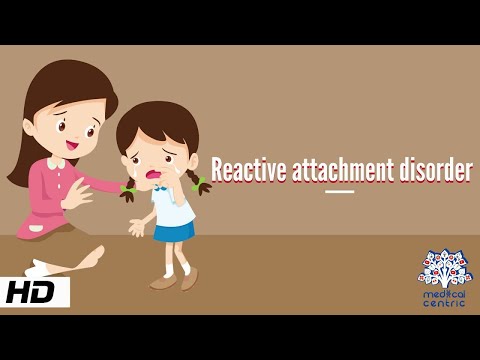
Reactive Attachment Disorder (RAD) isn’t just something you hear about in kids. Adults can deal with the aftereffects too. So, what’s going on here? Let’s break it down.
What is Reactive Attachment Disorder?
RAD develops usually in early childhood when a child doesn’t form healthy emotional bonds with their caregivers. If they didn’t get enough love, support, or consistent care, it can leave a mark. Adult symptoms can present as intense emotional challenges or difficulty in relationships. You might notice feelings of emptiness or maybe even struggle to connect with others—like putting up walls without even knowing it.
Symptoms of RAD in Adults
The symptoms can vary widely but often include:
- Difficulty trusting others: Maybe you find it hard to open up to friends or partners.
- Emotional dysregulation: You might feel overwhelmed by your emotions—sometimes feeling extreme sadness or anger without much warning.
- Avoiding intimate relationships: It’s like a reflex; when things get too close, you pull back.
- A pervasive sense of worthlessness: Feeling like you don’t deserve happiness or love can weigh heavy.
- Anxiety and depression: These often tag along as well, making everything feel tougher.
So, yeah—these aren’t just quirks; they can really affect your day-to-day life.
Causes of RAD
The root causes are typically linked back to early life experiences. Things like:
- Poor caregiving: Inconsistent care or neglect can lead to this disorder; if caregivers weren’t emotionally available, that’s a big factor.
- Turbulent environments: Growing up in chaotic settings filled with violence or instability can really mess with attachment styles.
- Lack of stability: Frequent changes in caregivers—maybe moving from home to home—can prevent those secure ties from forming.
You see how these early experiences cast long shadows? It’s tough stuff.
Treatment Options for RAD
So if you’re thinking this sounds familiar—or maybe you know someone who fits the bill—what’s next? Getting help is so important. Here are some treatment options:
- Psychotherapy: This could be individual therapy where you work on understanding your emotions and patterns. It might take time, but building trust with a therapist helps.
- Cognitive Behavioral Therapy (CBT): This focuses on changing negative thought patterns into more positive ones. You learn ways to handle feelings and reactions better.
- Kinds of group therapy: Sometimes sharing experiences in a safe space with others who understand builds connection and reduces that feeling of isolation.
- Anxiety management strategies: Techniques like mindfulness and breathing exercises can help ground you during tough moments.
It’s not all sunshine and butterflies, though. The road to healing takes time and perseverance.
Thinking back on this stuff might bring up some heavy emotions. I remember when my friend finally found the courage to talk about their past neglect—they felt lighter just sharing it out loud!
In the end, understanding RAD is crucial for anyone affected by it, whether directly or indirectly. Just know there are paths forward! There’s hope for healing through awareness and support.
Understanding Disinhibited Social Engagement Disorder: Causes, Symptoms, and Treatment Options
Disinhibited Social Engagement Disorder (DSED) is one of those conditions that can be a bit confusing if you don’t know much about it. It falls under the umbrella of reactive attachment disorders. In simple terms, it usually shows up in kids who have had tough beginnings in life, like experiencing neglect or not having a stable caregiver. It messes with how they connect with people.
What causes DSED? Well, the roots typically start in childhood experiences. If a child has faced severe neglect or has been raised in an unstable environment where caregivers weren’t available or responsive, they can develop this disorder. Imagine a little kid who’s used to being ignored when they cry; eventually, they might learn to just throw themselves into anyone’s arms, right? So yeah, it’s all about those early relationships—or lack there of.
Now let’s talk symptoms. Children with DSED might seem overly friendly or too trusting with strangers. They don’t really hold back when it comes to social interactions and may approach unfamiliar adults without hesitation. Like picture this: a toddler runs up to someone at the park who they’ve never met before and starts hugging them! That’s not typical behavior; usually, kids are more cautious around new faces.
Here are some common symptoms you might notice:
So why does this happen? Essentially, these behaviors are learned responses to their past experiences where forming connections was risky or unrewarding. It’s like, “If I don’t know how to connect well, I’ll just go all out!”
When it comes to treatment options for DSED, early intervention is super important—it can make such a difference! Therapy often focuses on building safe attachment styles and teaching kids about appropriate social interactions. Techniques can include:
Through these methods, therapists help kids understand their emotions and how to form healthier relationships over time.
But let’s not forget about caregivers! They often need support too because parenting a child with DSED can be tough as nails. Training for parents on how to create a nurturing environment that fosters trust is crucial.
It’s kind of heartbreaking thinking about how trauma shapes social habits at such an early age but remember: with the right support and understanding, these kiddos have a chance at healthier relationships later on! Seriously, every step towards healing counts—both for them and their families.
Understanding the Two Types of Reactive Attachment Disorder: Key Insights and Differences
Reactive Attachment Disorder (RAD) is something that can really impact a person’s emotional development. Basically, it’s a condition that occurs when there’s a disruption in the ability to form healthy emotional bonds, usually stemming from early experiences of neglect or abuse. There are two main types of RAD: **Inhibited** and **Disinhibited**, and it’s important to understand how they differ.
Inhibited RAD is where kids might seem really withdrawn, shy, or reluctant to engage with others. They’re often pretty cautious in social situations and might avoid eye contact. Imagine a child who wouldn’t respond to hugs or who seems fearful of adults—they’re not just being shy; their experiences have taught them that closeness isn’t safe.
On the other hand, you’ve got Disinhibited RAD. This one’s like the opposite end of the spectrum. Kids with this type tend to be super friendly and overly familiar with strangers. They’ll hug someone they just met without hesitation. It sounds sweet, but it can actually lead to unsafe situations because these kids haven’t learned how to properly bond with caregivers.
So where does all this come from? Well, many children develop RAD after experiencing things like inconsistent caregiving or spending time in institutions where proper bonding was lacking. You know how you feel safe when someone supports you? That’s what these kiddos missed out on early in life.
Now let’s chat about the psychological impacts of RAD. For one thing, these kids often struggle with forming relationships later on in life. They might struggle with feelings of worthlessness or anxiety because they didn’t get that foundational love and support during their crucial early years.
It doesn’t stop there! Adults who had RAD as children may face significant challenges too. They could experience things like depression or difficulties managing emotions well into adulthood. A person might find themselves feeling isolated because building trust can be so hard—like trying to cross a rickety bridge every time they form new friendships!
A key insight here is recognizing that both types of RAD stem from similar roots but express themselves differently. Whether it’s being overly withdrawn or too outgoing, both behaviors are coping mechanisms formed through tough experiences.
Addressing RAD usually involves therapy focused on building safe attachments and improving emotional regulation skills. The goal is to help individuals learn how to trust again and form healthier relationships moving forward.
In summary, understanding Reactive Attachment Disorder is crucial for anyone working with affected individuals or families dealing with its impacts on wellbeing. Each type presents unique challenges, but they both deserve compassion and support for real healing to happen!
Alright, so let’s chat about something that’s kinda heavy but super important: radical illness and how it messes with our heads. You know, we often think about the physical toll of being sick, but what about the emotional rollercoaster? Like, take a moment and imagine someone who’s just been diagnosed with a serious illness. The world they knew is flipped upside down—everything changes in an instant. It sounds dramatic, but it’s so true.
I remember a friend of mine who was diagnosed with cancer. I still can’t shake off that feeling I got when I saw them at the hospital for the first time after their diagnosis. They were trying to put on a brave face, but you could see the fear in their eyes. It’s like they were battling not just with their body, but also with this huge storm of anxiety and uncertainty swirling around in their mind. Suddenly, things they used to enjoy didn’t seem to matter as much; simple joys felt overshadowed by this looming presence of illness.
Psychologically speaking, radical illnesses can trigger all sorts of feelings—fear, sadness, even anger. It’s pretty wild how our minds can go from zero to sixty in no time flat. One minute you’re living your life like normal, and the next minute you’re consumed by thoughts about treatment options or what might happen down the line. And let me tell you; it doesn’t stop there. Many people find themselves isolated because friends and family don’t always know how to respond or engage.
Then there are those moments where you dance between hope and despair—you know? There’s this flicker of hope when treatment goes well or when you have a good day, but then doubts creep in just as quickly as they come. It can feel like an emotional tug-of-war where you’re constantly battling between wanting to stay positive and feeling overwhelmed by reality.
Keep in mind that not everyone copes in the same way either. Some people might lean on family and friends for support while others want to shut everyone out completely—it’s all valid! And therapy can be super helpful here; talking things out can lighten the load a bit.
Ultimately, though it seems pretty dark sometimes, there’s also this sense of resilience that shines through folks dealing with radical illness—not everyone sees it right away, but it’s there if you look closely enough. Sometimes these experiences bring people together like nothing else can do or even spark new perspectives on life itself—what truly matters to them at their core.
So yeah, if you or someone you know is facing something like this—it’s okay to feel all those emotions! Embrace them; talk about them; don’t bottle up everything inside. Remember that both your body and mind need care during times like these!