You know, life can get a bit tricky sometimes. Like, one minute you’re vibing, and the next—boom! Mental disorders creep in and throw everything off balance. It’s wild how these things can mess with our daily lives without us even realizing it.
Ever met someone who just seemed really off? Or felt that way yourself? Trust me, mental disorders can be sneaky. They affect how you think, feel, and just go about your day. Imagine trying to enjoy a sunny afternoon but your mind’s stuck in a storm.
So let’s chat about some of these rad mental disorders and how they ripple through every part of life—from work to relationships. Because understanding this stuff? It can totally change how we see ourselves and each other.
Top 10 Mistakes to Avoid When Parenting a Child with Reactive Attachment Disorder at Home
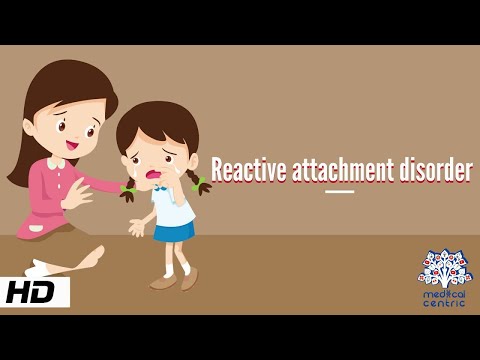
Parenting a child with Reactive Attachment Disorder (RAD) can be a real challenge. You might feel overwhelmed sometimes, and that’s perfectly normal. It’s crucial to know what things to avoid to create a nurturing home environment. Let’s talk about some common mistakes that could make things tougher for you and your child.
1. Ignoring Professional Guidance
It’s easy to think you can handle everything alone, but ignoring advice from therapists can lead to setbacks. They can offer strategies tailored specifically for your child’s needs.
2. Lack of Consistency
Children with RAD thrive on routine. If rules or schedules change frequently, it might confuse them and make them feel unsafe. Stick to a daily structure when possible.
3. Overreacting to Emotional Behavior
When your child acts out, it’s tough not to get frustrated. But overreacting can escalate things further. Try staying calm and addressing the emotion behind their behavior instead.
4. Not Recognizing Triggers
Every kid has their triggers that prompt panic or aggression—loud noises, changes in environment, or even certain phrases might do it. Identifying these helps you minimize meltdowns.
5. Disregarding Their Feelings
It’s tempting to tell your child they shouldn’t feel a certain way because it seems irrational, but doing so invalidates their experience. Instead, acknowledge their feelings; this builds trust.
6. Failing to Set Boundaries
While love is essential, kids with RAD need clear boundaries as well—they should know what’s expected of them at home. Setting limits gives them a sense of security and helps establish trust.
7. Not Taking Care of Yourself
You’ve got to remember you’re human too! Neglecting your own mental health won’t help anyone in the long run; it may even worsen the situation at home if you’re stressed out or burnt out.
8. Relying Solely on Medication
Sometimes medications are necessary but relying only on them isn’t enough—you’ve got to combine them with therapy and consistent parenting approaches for effective treatment.
9. Comparing Your Child to Others
Every kid is unique! Comparing your child’s development or behavior with peers can lead you down a path of frustration and guilt—stay focused on their individual progress instead.
10. Not Celebrating Progress
Change takes time, especially with RAD; be sure to celebrate small victories along the way, no matter how minor they seem! A simple high-five or kind word about improvement goes a long way!
Navigating life with a child who has Reactive Attachment Disorder can feel like climbing a mountain sometimes—it has its ups and downs for sure! By avoiding these common pitfalls, you can create an environment that’s more supportive both for yourself and your little one as they learn through life together with you by their side.
Understanding Empathy in Children with Reactive Attachment Disorder (RAD)
Empathy is a big deal when it comes to relationships, right? But for kids with Reactive Attachment Disorder (RAD), it can be a real struggle. RAD often occurs in children who haven’t formed typical bonds with their caregivers early on. This lack of attachment can make it really tough for them to understand or express empathy towards others.
You see, empathy is basically the ability to put yourself in someone else’s shoes. It’s about understanding their feelings and responding appropriately. For most kids, this develops naturally as they grow up, but for those with RAD, things don’t always go as planned.
So, what does this look like in the day-to-day life of a child with RAD? Here are some key points:
- Lack of emotional connection: Kids with RAD may not respond emotionally to others’ distress. Imagine a child seeing a friend cry but just standing there, confused instead of comforting them.
- Difficulty recognizing emotions: They might struggle to identify when someone is happy or sad. A kiddo might miss all the cues and just think everyone’s always «fine.»
- Inconsistent responses: Sometimes they might show empathy in unexpected moments but then completely shut down during others. One day they might hug you after you trip; the next day, they may ignore you if you’re upset.
Let’s talk about why this happens. Kids with RAD often don’t trust adults easily because their early experiences were chaotic or neglectful. When your primary caregivers aren’t stable sources of comfort or safety, it makes sense that emotional responses get jumbled up!
Anecdotes can help illustrate this better. Picture a little girl named Mia who has been through some tough times in her early years. She’s at school when her classmate spills juice all over themselves. Instead of helping or showing concern, she simply laughs and walks away. Her teacher realizes that Mia didn’t mean any harm; she just doesn’t know how to connect those dots yet.
This doesn’t mean there isn’t hope! With proper support like therapy—especially approaches that focus on building trust and relationships—children can learn to develop their empathetic skills over time.
The thing is, understanding these dynamics helps caregivers not take things personally when these kids react differently than expected. It’s about planting seeds for growth rather than expecting an instant garden!
So yeah, if you’re dealing with a child who has RAD, remember that fostering empathy takes patience and guidance. It’s not an easy road, but every small step counts toward building those essential emotional bridges.
Understanding Reactive Attachment Disorder in Adults: Symptoms, Causes, and Treatment Options
Understanding Reactive Attachment Disorder (RAD) in adults isn’t easy, but let’s break it down. It’s one of those things that can really mess with your life. You know, it’s like carrying around this emotional weight that affects how you relate to others.
What is RAD? Well, Reactive Attachment Disorder usually shows up in children who haven’t formed healthy bonds with their caregivers. But here’s the kicker: it doesn’t just vanish when someone grows up. Adult symptoms can be complex and varied.
Symptoms: So what should you look out for? Here are some common signs:
- Difficulties in relationships: Adults with RAD may struggle to connect deeply with partners, friends, or family.
- Emotional dysregulation: You might find yourself feeling intense emotions—not always knowing how to handle them.
- Anxiety and depression: There can be a persistent sense of worry or sadness that seems tied to past experiences.
- Avoidance of intimacy: Sometimes, you might push people away because getting close feels too scary.
Now, imagine Sarah. She had a tough childhood and never really learned how to trust people. As an adult, she finds herself sabotaging relationships before they even start. It’s heartbreaking, right?
Causes: The roots of RAD often go back to those early bonds—or lack thereof. If a child doesn’t get consistent love, care, or nurturing from caregivers, they might develop these attachment issues. Here are some factors:
- Neglect: When basic emotional needs aren’t met.
- Abuse: Experiencing physical or emotional harm can seriously impact attachment.
- Frequent changes in caregivers: Moving from one home to another might make kids feel like they can’t rely on anyone.
These factors can carry into adulthood like a shadow.
Treatment Options: So what if you think you or someone you care about has RAD? There’s hope! Treatment usually involves therapy focused on building trust and improving relationships.
- Cognitive Behavioral Therapy (CBT): This helps reshaping negative thought patterns into more positive ones.
- Psychoeducation: Learning about attachment styles can empower adults to understand their feelings better.
- Group Therapy: Connecting with others who’ve shared similar experiences can help reduce feelings of isolation.
And let’s not forget the importance of having support from friends or family during this journey!
So there you have it—RAD isn’t just for kids; it carries over into adulthood and requires understanding and treatment. Living with this disorder can be tough but working through those layers is totally doable. With the right help and strategies in place, adults can learn healthier ways to connect and thrive in their relationships.
You know how some days feel like you’re just trying to swim through molasses? That’s kinda what it’s like for people dealing with serious mental disorders. It’s not just about feeling down or anxious; it can totally change how you live day-to-day.
I remember a friend who was dealing with bipolar disorder. During the manic phases, she’d tackle everything—cleaning her whole apartment, getting super involved in side projects, and even going on spontaneous trips. But then, when the depression hit, she could barely get out of bed. Those highs and lows didn’t just affect her mood; they made juggling work, friendships, and even self-care feel almost impossible.
It’s pretty common for folks with these rad mental disorders to feel misunderstood. People might say things like “Just snap out of it,” which doesn’t help at all. But what they don’t see is the way these conditions warp your perception of reality. Anxiety can have you second-guessing every decision. Depression might convince you that nobody cares or that you’ll never be happy again.
Daily life feels like a balancing act on a tightrope while blindfolded. Simple tasks—like going grocery shopping or having coffee with friends—can feel overwhelming. Ever heard of social anxiety? It’s like this invisible barrier that makes being around people exhausting instead of fun.
But here’s the catch: living with a mental disorder doesn’t erase your ability to enjoy life or connect with others! Seriously, when my friend found the right therapy and medication balance, she started noticing those little joys again—like cooking simple meals and binge-watching a show without feeling guilty about doing nothing.
For anyone struggling out there, just know you’re not alone in this ride. Finding support makes a world of difference—it can turn those dark days into something more manageable. Life can be messy and complicated; it’s okay to ask for help along the way!