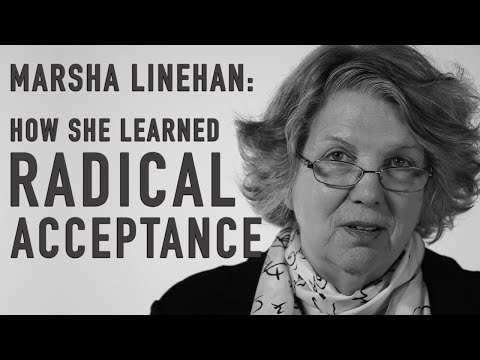
You know those days when everything feels off? Like you’re trying to swim upstream, but the current just won’t let you? Yeah, we all have those moments.
And sometimes, it’s hard to accept that things aren’t going our way. It can be frustrating!
That’s where this whole idea of «radical acceptance» comes in. Basically, it’s about looking at life with open eyes and saying, “Okay, this is my reality right now.”
We can’t change everything, but we can change how we respond to it. Sounds easy, right? Well, it’s definitely a journey.
Let’s chat about what radical acceptance really means and how it can help you roll with the punches instead of getting knocked out by them.
Understanding Radical Acceptance in Mental Health: A Path to Emotional Healing
Radical acceptance might sound a bit intense, but it’s really about embracing reality as it is. It’s the idea that sometimes, life throws things at you that feel unfair or just plain awful. Instead of fighting against those feelings or situations, you learn to accept them. It doesn’t mean you have to like what’s happening; it just means you recognize it.
Imagine this: You’re stuck in a terrible traffic jam. You can either scream into your steering wheel or accept that, hey, there’s nothing you can do about it right now. Choosing acceptance might let you enjoy a podcast instead of wasting energy on frustration. That’s kind of the gist of radical acceptance.
Now, how does this play out in mental health? Well, when we face tough emotions—like grief, loss, or anxiety—pushing them away often just makes them stronger. Instead of saying “I shouldn’t feel this way,” radical acceptance encourages you to say “This is how I feel right now.” And that acknowledgment can be super freeing!
Here are some key points to keep in mind about radical acceptance:
- It’s not about giving up. Radical acceptance isn’t saying everything is fine when it’s not. It’s more like recognizing the truth of a situation without trying to change it.
- Feelings are valid. Accepting your emotions means recognizing that they’re real and worth feeling. By doing this, you give yourself permission to process those feelings without judgment.
- This takes practice. It’s totally normal for people to struggle with accepting certain situations or emotions. With time and effort, though, it can get easier.
- You can still take action. Acceptance doesn’t mean being passive. Once you’ve accepted a situation, you’re clear-headed enough to think about what steps you might want to take next.
A friend of mine went through a rough patch after losing her job during the pandemic. At first, she was angry and frustrated—totally understandable! But once she started practicing radical acceptance, she realized she couldn’t control everything. She embraced her feelings of uncertainty and fear but also used that space to explore new job ideas.
So what’s the takeaway? Radical acceptance isn’t a cure-all for emotional pain but it definitely opens doors for healing. You get to live more fully in the moment instead of feeling weighed down by resistance or denial.
In therapy settings, many professionals incorporate this concept into practices like Dialectical Behavior Therapy (DBT). Basically, they help clients learn how to apply radical acceptance techniques in their daily lives.
In short: life throws curveballs at all of us sometimes. Accepting those moments—not with resignation but with an open heart—can lighten the load and help facilitate emotional healing along the way. So if you’re facing something tough right now? Just remember: sometimes accepting what is can be your first step toward finding peace again.
Understanding the 3 R’s in Counseling: A Guide to Effective Therapeutic Practices
Radical Acceptance is a powerful tool in therapy, especially when it comes to navigating life’s ups and downs. It basically means embracing reality as it is, without trying to fight or deny it. You know? It’s about saying, «Okay, this is my situation right now.» This approach can really help reduce emotional suffering.
The “3 R’s” come into play here. They are Recognize, Reflect, and Respond. These steps can guide you through the process of Radical Acceptance.
Recognize what you’re feeling. This first step is all about tuning in to your emotions. Are you angry? Sad? Frustrated? Let’s say you just lost a job that you loved. The natural reaction might be panic or despair. Recognizing those feelings allows you to acknowledge their presence rather than pushing them away.
Next up, we have Reflect. After recognizing your emotions, take a moment to think about why you’re feeling that way. Look at the bigger picture and understand the context. Maybe losing your job feels devastating because it impacts your financial security or self-worth. Reflecting helps clarify what’s really bothering you beneath the surface.
Finally, it’s time to Respond. This is where you actually do something with those feelings you’ve recognized and reflected on. How can you handle this loss constructively? Perhaps drafting a new resume or talking to friends for support could be your first steps forward.
So here’s why these 3 R’s matter—embracing change often means facing uncomfortable truths about yourself and your life situation. Radical Acceptance helps shift your mindset from resisting change to accepting what is, which can be liberating!
Using these practices together creates a roadmap for transforming pain into growth. Just remember: acceptance doesn’t mean giving up or liking what’s happening; it’s more about finding peace amidst chaos so that you can move forward in a healthier way.
Incorporating the 3 R’s into daily life isn’t always easy—it’s totally okay if it feels tough at times! Just give yourself permission to feel whatever you’re feeling and keep practicing these steps as best as you can!
Unlocking Inner Peace: A Comprehensive Radical Acceptance Worksheet for Mental Well-Being
Radical acceptance is like embracing life as it is, you know? It’s about letting go of the fight against what you can’t change. So, if you’re struggling with something that feels overwhelming—like stress at work or a tough breakup—this approach could really help.
First off, what exactly is radical acceptance? Well, it’s a concept from Dialectical Behavior Therapy (DBT) that encourages you to accept reality without judgment. Basically, it’s about saying, “Okay, this is happening,” instead of resisting or wishing things were different.
Now let’s break down how to practice radical acceptance in your life. Here are some key points:
- Acknowledge your feelings: Realizing what you’re feeling is the first step. If you’re sad about losing a job, sit with that sadness. It’s okay to feel it!
- Separate facts from opinions: What happens versus how you interpret it are two different things. Losing a job is a fact; feeling like a failure is an opinion.
- Practice mindfulness: This means being present with your thoughts and feelings without rushing to change them. Breathing exercises can help here!
- Let go of control: You can’t control everything in life. Learning to accept this can be freeing! Think of it like dropping a heavy backpack; it’s way lighter when you do.
- Shift your perspective: Try looking at the situation from another angle. Maybe losing that job could lead to better opportunities down the line.
Here’s an example: Imagine you’ve been dumped by someone you really liked. Instead of spiraling into self-doubt and anger towards them, you might say, “This happened; I can’t change it.” It doesn’t mean you don’t hurt—it just means you’re choosing not to suffer more by resisting reality.
You might be thinking, “That sounds great in theory!” But practicing this stuff takes time and patience. It’s not an instant fix like popping an aspirin for a headache; rather it’s more like training your brain over time.
If you ever feel overwhelmed again? Just remember: radical acceptance isn’t about giving up hope or resigning yourself to misery. It’s about finding peace amidst chaos—kind of like planting flowers in the cracks of concrete. You’re acknowledging the ugliness but still creating beauty where possible.
Incorporating radical acceptance into your routine might involve journaling about your experiences and feelings or even discussing them with friends or professionals who understand mental health struggles.
So yeah, embracing radical acceptance means allowing yourself space to grow through pain instead of being stuck in it forever. While it might not be easy, it’s definitely worth exploring if you’ve been wrestling with tough emotions lately!
You know, life throws a lot at us. Sometimes it feels like we’re just dodging one curveball after another. And when it comes to mental health, those changes can feel especially overwhelming. This is where the idea of radical acceptance comes in—it’s kind of like giving a big ol’ hug to the things you can’t control.
Let’s say you’re going through a rough patch. Maybe you’ve lost a job or a relationship has ended, and every time you think about it, that familiar tightness hits your chest. You might want to scream “Why is this happening?” But what if instead of fighting that feeling, you decided to just accept it? Like, really accept it.
I remember a friend of mine who was struggling after her dad passed away. She spent so much time wishing for things to be different: wishing he was still here, wishing she had said more before he left. But one day she sat down and decided enough was enough with the “what ifs.” She began letting herself feel the grief without judgment or excuses. At first, it was tough—but then something shifted inside her. She learned that accepting her pain didn’t mean she liked it or wanted it; rather, it meant she freed up space for healing.
Radical acceptance isn’t just about rolling over and taking life as it is; it’s more like finding peace in chaos. It’s saying, “Okay, I acknowledge this situation for what it is.” So instead of pushing against the current all the time, you kinda float with it for a moment. There’s strength in that! You’re not ignoring your feelings—you’re giving them room to breathe instead.
Of course, embracing change isn’t always easy because let’s face it: change can be super scary! Whether it’s facing anxiety or dealing with depression—it often feels like your world has flipped upside down overnight. But when you start practicing radical acceptance, you’re basically telling yourself it’s okay to be human—to struggle and still show up every day.
So yeah, this approach doesn’t magically fix everything overnight but allowing yourself to meet reality where it’s at can lighten your load way more than denial ever could. You learn to give yourself grace and recognize that while life may not look how you imagined—it’s still yours to navigate in your unique way. And at the end of the day? That’s pretty powerful stuff!