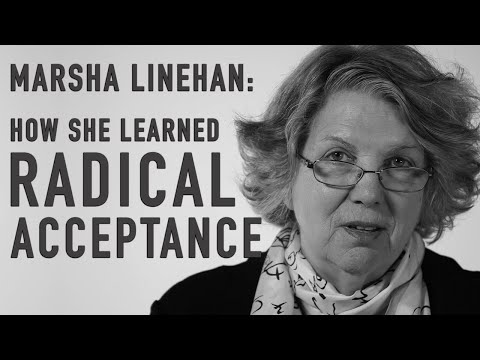
So, let’s chat about something pretty interesting: radical acceptance. Sounds intense, right? But, honestly, it’s just about embracing life as it is.
You know those moments when everything feels, well, chaotic? Yeah. Sometimes we cling to the hope that things will magically get better. But what if we just accepted the mess?
That’s where this whole idea comes in. It’s like giving a big hug to reality—no matter how messy or uncomfortable it gets.
I stumbled across some gems on Goodreads about this concept that really got me thinking. Let’s explore this together and see how it can shift your perspective!
Understanding Radical Acceptance: A Key Concept in Mental Health and Emotional Well-Being
Radical acceptance is, let’s say, one of those concepts that can really flip your perspective when it comes to mental health and emotional well-being. Basically, it’s about embracing reality as it is, instead of getting stuck in a cycle of denial or frustration about how things “should” be. You know that feeling when you want to change something but can’t? Radical acceptance helps you find peace in those moments.
Now, what exactly does radical acceptance mean? It’s not just about saying “Oh well, guess I have to deal with this.” It’s deeper. It’s an active choice to accept your situation fully without trying to change it right away. When you practice this, you’re acknowledging reality and all the feelings that come with it—like sadness or anger—without judgment.
Think about a time when you faced something tough, like losing a job. Instead of wallowing in what could’ve been or getting mad at yourself for not being more prepared, radical acceptance tells you: “Hey, this happened. It sucks, but resisting it won’t help.” This doesn’t mean giving up; rather, it means finding a way to live with the pain while still moving forward.
The concept often comes from Dialectical Behavior Therapy (DBT), which is designed for people dealing with intense emotions and relationship issues. DBT teaches skills like mindfulness and emotional regulation alongside radical acceptance. And honestly? It can be a game changer for folks struggling with things like depression or anxiety.
Here are some ways radical acceptance shows up in real life:
Sometimes when we resist what we’re feeling or experiencing—let’s say stress from work—it can make everything worse. But through radical acceptance, we learn that while we may not like our current reality, we don’t have to suffer endlessly because of it.
One personal story I remember was from a friend who went through a tough divorce. For the longest time, he was angry—angry at his ex-wife and even himself for how things turned out. But when he finally embraced the idea of radical acceptance… everything shifted! Instead of focusing on what went wrong or wishing it was different, he started seeing new opportunities in his life and found peace where there used to be chaos.
In short: radical acceptance doesn’t mean being okay with everything that happens; rather it’s about acknowledging reality so you can operate from a clearer mindset. You embrace what’s real so that life doesn’t feel as heavy all the time—and trust me on this one: learning how to do this can lead towards more emotional resilience and better overall mental health!
Exploring Radical Acceptance: Is It a Must-Read for Mental Health Enthusiasts?
Radical acceptance, huh? So, like, what is it really? Basically, it’s about embracing things as they are instead of fighting them. Imagine you’re stuck in a traffic jam. You can either fume about the delay or just accept that you can’t control the situation. This doesn’t mean you like it; it’s more about freeing yourself from the stress of resistance.
Why Should You Care? Well, mental health enthusiasts, this concept can be super helpful in managing emotions and improving overall well-being. It connects closely with mindfulness and can help reduce suffering caused by our reactions to situations we can’t change.
Let’s break it down a bit more:
- It’s not resignation. Some people worry that accepting something means giving up. But that’s not true! It means recognizing reality so you can respond to it effectively.
- Emotional freedom. Accepting your feelings—like sadness or anger—can actually lighten the emotional load. Instead of stuffing those feelings down, you acknowledge them, which sometimes makes them less overwhelming.
- This isn’t just theory. There are real-world applications! Therapists often use radical acceptance in practices like Dialectical Behavior Therapy (DBT), which helps people manage intense emotions and improve their interpersonal relationships.
You know that feeling when you keep replaying a mistake over and over in your head? Like when I flubbed my lines during a presentation last month? It was mortifying! But once I accepted that yeah, I made a mistake and it wasn’t the end of the world, I could actually move on instead of dwelling on it.
But hold on—radical acceptance isn’t always easy. Anyone who’s tried knows that just saying “I accept” doesn’t magically make everything better. It takes practice. And some days will feel tougher than others.
Another thing to keep in mind is that radical acceptance doesn’t mean ignoring harmful situations or behaviors. If someone is treating you poorly or if you’re dealing with an unhealthy environment, recognizing this reality is key to making changes for yourself.
Think about whether radical acceptance resonates with your personal experiences or learning journey in mental health. It might even inspire you to approach life’s challenges differently. And hey, if it’s caught your eye on Goodreads or elsewhere, maybe it’s time to dig deeper into what others are saying about how this approach has impacted their lives.
So is «Radical Acceptance» a must-read for mental health enthusiasts? Well, if you’re curious about managing emotions better and tackling life’s curveballs more gracefully—yeah, it’s worth looking into! Just remember: embracing reality isn’t always easy but it’s definitely a step toward emotional liberation.
Top-Rated Self-Help Books on Goodreads: Discover the Best Reads for Mental Health and Personal Growth
There’s so much out there when it comes to self-help books, especially those focused on mental health and personal growth. Seriously, it can feel overwhelming. But let’s talk about a few gems that keep popping up on Goodreads, especially ones that touch on the concept of radical acceptance.
Radical acceptance is this idea that fully embracing your reality—no matter how tough it seems—can lead to less suffering and more peace of mind. It’s like saying, “Okay, this is where I am right now.” And that can be super liberating! So here are some top-rated books on Goodreads that dive into this topic and more.
- The Gifts of Imperfection by Brené Brown
- Radical Acceptance: Embracing Your Life With the Heart of a Buddha by Tara Brach
- The Power of Now by Eckhart Tolle
- You Are Here: Discovering the Magic of the Present Moment by Thich Nhat Hanh
- Mindset: The New Psychology of Success by Carol S. Dweck
Brené encourages us to let go of the notion of perfection and embrace who we are. She talks about vulnerability as a strength, which ties beautifully into radical acceptance. You start seeing your flaws not as failures but as part of being human.
This one’s pretty much the poster child for its namesake concept! Tara blends mindfulness with self-compassion, offering practical guidance for accepting life’s difficulties without judgment. It’s like getting a warm hug in book form.
Eckhart dives deep into living in the present moment and shedding past regrets or future worries. It brings you back to what really matters—right here, right now—and connects well with radical acceptance since you learn not to fight against what exists.
If you’re looking for practical exercises in mindfulness and acceptance, this book is gold. Thich Nhat Hanh offers gentle insights and practices that help ground you in the present while fostering an appreciation for life just as it unfolds.
This isn’t solely about radical acceptance but emphasizes having a growth mindset—even when things get tough! Dweck shows how embracing challenges can lead to personal development instead of staying stuck in frustration.
These books resonate deeply with people because they don’t just offer platitudes; they provide real strategies for facing life’s ups and downs head-on—and accepting them along the way.
Maybe you’ve had those days where nothing seems to go right? You know? When everything feels heavy? Books like these can be that little spark of hope or perspective shift you need to remind yourself that it’s okay to feel what you’re feeling. Embracing those moments is where true growth often happens.
So if you’re curious about radical acceptance or simply looking for ways to enhance your mental health journey through reading, check these out! Each one brings its own flavor while still connecting back to embracing your reality with open arms.
So, let’s chat about this concept of radical acceptance. You know, it’s one of those things that pops up a lot in self-help books and discussions on mental health, but it really hits differently when you actually start to think about what it means in real life.
Radical acceptance is kind of like saying, “Okay, this is what’s happening. I’m not going to fight it anymore.” It’s accepting reality as it is, without the extras of guilt or shame piled on top. Imagine if you had a friend who was always complaining about their job but never did anything to change it. You might feel frustrated because they’re stuck in that cycle. But then again, they’ve got their reasons for feeling that way. Radical acceptance encourages us to stop wishing things were different and instead say, “This is my current situation.”
I remember chatting with a buddy not too long ago. They were grappling with anxiety, feeling totally overwhelmed by everything from work to relationships. Instead of pushing them to just “get over it,” I suggested they try being okay with where they were at—that maybe it was okay to feel anxious, instead of constantly fighting against it. At first, they looked at me like I was nuts! But after giving it a shot for a week or so, they felt this weight lift off their shoulders.
It’s not about resigning yourself to a bad situation; rather, it’s an invitation to acknowledge your feelings without judgment. Crazy how the hardest part is often just letting yourself feel what you need to feel without the pressure of pretending things are fine.
You see some discussions on platforms like Goodreads where people share quotes or thoughts around radical acceptance—books like «The Gifts of Imperfection» by Brené Brown come up a lot! There’s something soothing about reading experiences from others who’ve been there too; knowing you’re not going through stuff alone makes all the difference.
Here’s the kicker: when you embrace radical acceptance, you’re no longer stuck chasing after an idealized version of reality that just doesn’t exist for you right now. It opens up space for real change because you’re operating from a place of clarity instead of denial.
So yeah, whether you’re facing big problems or just daily struggles that feel overwhelming sometimes, try practicing this radical acceptance thing. Seriously! Letting go doesn’t mean giving up; sometimes it’s just giving in…to yourself. How freeing is that?