You know, life can throw some serious curveballs our way. Like, one minute you’re feeling on top of the world, and the next, you’re in a funk that just won’t quit.
That’s where this whole idea of radical self-acceptance comes in. It might sound fancy or even a bit woo-woo, but hang on—you’ll see it’s really about being cool with who you are, flaws and all.
Imagine waking up every day feeling okay with yourself, just as you are. No filters, no pretending. Sounds nice, huh?
Let’s chat about how embracing our messy selves can totally change the mental health game. It’s not about perfection; it’s about peace with yourself—the real stuff that brings joy and healing to your life. Can’t wait to dig into it!
Understanding Radical Self-Acceptance: A Guide to Embracing Your True Self
Radical self-acceptance is like giving yourself a big, warm hug, and hey, who doesn’t need that? It’s all about being okay with who you are right now—flaws, quirks, and all. This isn’t just some touchy-feely concept; it’s really got a solid role in mental health. So let’s break it down.
What is Radical Self-Acceptance?
Basically, it means fully embracing yourself without conditions. No more beating yourself up for past mistakes or worrying about how others see you. You’re throwing away that internal judge and saying, “You know what? I’m enough as I am.” And trust me, that feels liberating!
Why It’s Important for Mental Health
When we struggle to accept ourselves, we can spiral down into negative thoughts and feelings. This can lead to anxiety or depression. Think about it: when you’re constantly critiquing yourself, it’s exhausting! Radical self-acceptance helps lift that weight off your shoulders.
The Role of Self-Compassion
Self-compassion goes hand-in-hand with radical self-acceptance. It’s being kind to yourself when things go wrong—like treating yourself the way you would treat a friend who’s having a rough time. Let’s say you mess up at work; instead of thinking you’re a failure, remind yourself everyone slips up sometimes.
How to Practice Radical Self-Acceptance
It can feel tough at first but don’t worry!
- Acknowledge Your Feelings: Say your emotions out loud or write them down. Just letting them exist without trying to push them away is a huge step.
- Challenge Negative Thoughts: When that little voice in your head starts telling you you’re not good enough, take a pause. Counter those thoughts with something positive about yourself.
- Create Boundaries: Surround yourself with people who uplift you rather than drag you down. Setting boundaries shows love for yourself.
- Cultivate Mindfulness: Practicing mindfulness helps you stay in the moment and appreciate who you really are without judgment.
- Celebrate Your Uniqueness: Write down what makes you special or things you’re proud of—no matter how small. Embrace those traits!
Sure, there might be days where doubts creep in—you’re human after all! But remember this: radical self-acceptance isn’t about perfection; it’s about recognizing that it’s okay to be imperfect.
So here’s a little story for context: imagine Sarah—a friend who always compared herself to others on social media and felt inadequate because of it. She started practicing radical self-acceptance by unfollowing accounts that made her feel bad and focusing instead on her own journey—celebrating her little victories like cooking a new recipe or helping a neighbor.
Over time, she found she could look in the mirror without cringing but rather smile back at herself! That’s powerful stuff right there.
In summary? Radical self-acceptance is your ticket to mental well-being—it frees you from the endless cycle of self-doubt and opens doors to genuine happiness. So be brave enough to embrace every part of who you are; you’ve totally got this!
Radical Acceptance vs. Acceptance: Understanding the Differences in Mental Health Practices
Radical Acceptance vs. Acceptance can feel a bit like standing on two sides of a river, each with its own currents and vibes. Let’s break down what they mean and how they play out in the world of mental health.
Acceptance is pretty much what it sounds like. You’re acknowledging reality as it is, without trying to fight it or change it. It’s like realizing that yeah, sometimes life throws curveballs at you—like when your friend suddenly cancels plans, leaving you feeling bummed out. Instead of getting stuck in anger or disappointment, acceptance helps you sit with that feeling and move on. It doesn’t mean you’re okay with what’s happening; it just means you’re recognizing that this is the situation now.
On the flip side, Radical Acceptance takes things a step further. It’s about fully embracing reality—even the parts that seriously suck—without judgment or resistance. This isn’t just “I see what’s going on,” but “This is my life right now, and that’s okay.” Imagine you’ve faced a tough breakup. Instead of just accepting it while holding onto resentment or lingering sadness, radical acceptance nudges you to let go of all those heavy feelings tied to your past relationship. You acknowledge the hurt but also recognize that clinging to pain doesn’t help you heal.
The core difference here lies in how deeply you dive into those feelings. With regular acceptance, you’re kinda skimming the surface—acknowledging what’s happening but maybe still holding onto some hope for change or wishing things were different. Radical acceptance? That’s like diving into the deep end without a floatie! You throw away expectations and any idea that things should be different from how they are.
Let’s think about some
:
When people struggle with intense emotions like anxiety or grief, embracing radical acceptance can make a big difference. For instance, I once had a friend who lost their job unexpectedly. They spent weeks grumbling about how unfair it was until someone encouraged them to practice radical acceptance—»Hey, this sucks! But here we are.» Once they embraced that reality fully without any denial—boom! They started exploring new job opportunities instead of getting stuck in despair.
So basically, while both forms aim for healthier mindsets and emotional wellbeing, radical acceptance pushes you deeper into understanding and embracing your current reality wholly—and letting go of the need for things to be different right now. It’s powerful stuff! And while it’s not always easy to practice—after all who wants to face difficult truths?—it can lead to greater peace and emotional freedom over time.
In sum: learning about these concepts isn’t just academic; it’s super practical for life’s ups and downs too!
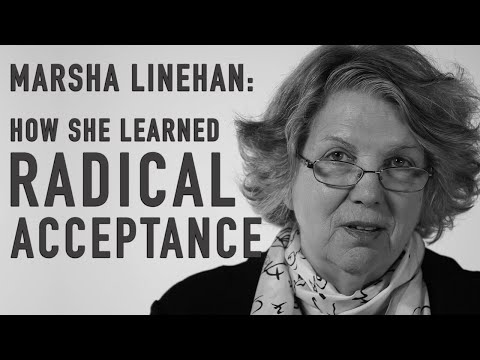
Embracing Change: The Power of Radical Acceptance in Marsha Linehan’s Therapy
Alright, let’s talk about something super interesting: Radical Acceptance and how it plays into Marsha Linehan’s therapy. You might wonder why acceptance is so important in mental health. Well, it’s all about embracing the reality of a situation, even when it totally doesn’t feel good.
So, Radical Acceptance is basically saying «Okay, this is my life right now.» It’s like standing in front of a messy room and instead of freaking out about how chaotic it looks, you just accept that it is what it is for the moment. This doesn’t mean you give up on trying to clean up the room; rather, you acknowledge that it’s messy before you start dealing with it.
Marsha Linehan developed this concept mainly for people grappling with BPD, or Borderline Personality Disorder, but honestly, anyone can benefit from it. Imagine facing a tough breakup. You may feel angry or sad or both. If you’re stuck in those feelings and resist them, they can eat you alive. But by radically accepting your emotions—like feeling hurt because you are human—you give yourself the space to heal.
- Acceptance vs. Resignation: It’s crucial to know acceptance isn’t about giving up. Instead, it’s acknowledging what *is* without judgment or blame.
- Emotions Are Valid: When you’re feeling down or anxious, Radical Acceptance helps remind you that these feelings are part of being human.
- The Freedom Within: Accepting things as they are can actually lighten your emotional load, making way for better decision-making and growth.
You might have heard someone say something like “I can’t believe this happened!” when life throws a curveball their way. It’s easy to stay stuck in disbelief and frustration. But through Radical Acceptance, you learn to shift that thinking to “This happened; now what?” That little change in perspective can open doors for growth!
This isn’t always easy though; radical acceptance can feel like a heavy lift when emotions run high. Think back to a time when everything felt out of control—a bad job situation or family drama—and how much resistance to reality affected your mood! By allowing yourself to just feel those emotions without judgment, you allow healing energy to flow.
Therapeutic Practices: In Dialectical Behavior Therapy (DBT), Marsha Linehan uses tools like mindfulness and distress tolerance skills alongside Radical Acceptance. Mindfulness helps keep your mind from spiraling into the past or future while focusing on the present moment adds another layer of support in the acceptance process.
The thing is: change can be scary! But by harnessing Radical Acceptance and treating yourself with kindness during those rough patches? Wow—it’s like discovering a kind of superpower within yourself!
This journey toward embracing change isn’t always smooth sailing—sometimes it’s bumpy—but learning how to accept things as they are will help you navigate through life better equipped than before.
Radical self-acceptance is one of those concepts that can really shake things up, you know? It feels like a breath of fresh air after being stuck in a stuffy room. I mean, think about it: how often do we struggle against ourselves? We pick apart our flaws, replay past mistakes, and wish we were different in some way. It’s kind of exhausting.
Picture this: a friend of mine was always critical of herself. She thought she had to be perfect in every way—at work, in her relationships, even in her hobbies. It was like she was constantly carrying around this heavy backpack filled with «shoulds» and «must-haves.» One day, she decided enough was enough and started practicing radical self-acceptance. At first, it felt weird to her. Accepting all the messy bits—the insecurities and quirks—seemed almost impossible. But as time passed, she found something amazing: peace.
Radical self-acceptance is about embracing who you are at this very moment. Every little flaw and strength combined into one unique package that’s totally you. It means letting go of the idea that there’s only one “right” way to live or feel. And honestly? That acceptance can be liberating. Instead of drowning in self-doubt or shame, you start giving yourself grace.
And what’s really cool is how this kind of acceptance can ripple through your mental health journey! You might notice less anxiety creeping in because you’re not constantly striving for an unrealistic standard. There’s something empowering about looking at yourself in the mirror—flaws and all—and saying “I’m okay just as I am.” Seriously, it can change the way you experience life.
It’s not always easy; some days are tougher than others when old habits creep back in. You might find yourself slipping back into that critical mindset sometimes—it happens! But the beauty lies in practicing this acceptance daily—even when it feels hard.
So next time you’re feeling overwhelmed by expectations or negativity about yourself, take a moment to just breathe and embrace where you’re at right now. Your journey is yours alone; no need for comparison or judgment from anyone else—even from yourself!