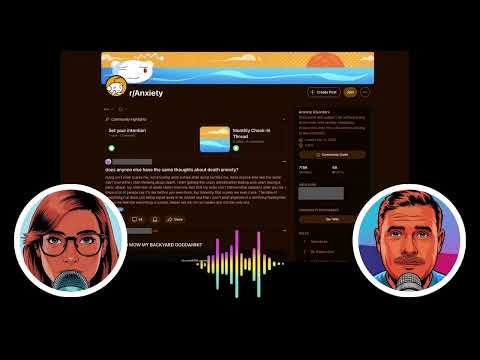
You know those moments when your heart starts racing outta nowhere? Like, seriously, you feel like you just ran a marathon without even moving?
Yeah, that’s a panic attack for you. It’s wild how something like that can hit you so suddenly.
I was scrolling through Reddit the other day and stumbled upon this thread full of people sharing their panic attack stories. It’s kind of amazing, honestly.
Like, here we are, so many folks feeling those crazy waves of anxiety and fear—but we’re not alone in it. I mean, talking about it kind of takes the edge off, right?
So let’s dive into some of those experiences together. You might find comfort knowing others get it too—’cause believe me, you’re definitely not alone in this ride!
Understanding Your Rights: Can You Be Fired for Experiencing Panic Attacks?
So, you’re dealing with panic attacks and wondering about your job security? Yeah, it’s a tough spot to be in. First things first: it’s important to know your rights when it comes to mental health and employment. You’re not alone in this situation—many people share similar experiences on platforms like Reddit. Let’s break this down.
In the U.S., the law offers some protection for employees experiencing mental health issues, including panic attacks. The key law here is the Americans with Disabilities Act (ADA). It defines what constitutes a disability and what protections you’re entitled to:
- Panic Attacks as a Disability: If your panic attacks significantly impair your ability to work, they might qualify as a disability under the ADA. That means you could be entitled to reasonable accommodations.
- Reasonable Accommodations: This could include modified work schedules, tasks reassignment, or even some time off for therapy. Employers aren’t required to make changes that create an «undue hardship,» but many will try to help if they can.
Now let’s talk about firing. You generally cannot be fired just for having panic attacks. Employers aren’t allowed to discriminate against you for a disability (which can include mental health conditions). However, if your panic attacks are affecting your performance—like missing too much work or being unable to do tasks—you might face disciplinary action. It gets complicated!
A good example here is if someone has frequent panic attacks that interfere with their ability to meet deadlines or attend work regularly without good communication with their employer. If you’ve informed them about your condition and requested accommodations but haven’t received support, that changes the conversation.
If you’re facing dismissal related to your panic attacks, documenting everything is key. You should keep track of any conversations with HR or management about your condition and accommodations you’ve requested. If things go downhill and you feel like you’re being treated unfairly? Consider seeking legal advice from someone familiar with employment law.
Beyond legalities, talking openly—or at least as openly as you feel comfortable—with your employer can help too! Sometimes managers don’t really understand what you’re going through until you share more about it.
Lastly, it’s crucial not just to focus on the job aspect but also on taking care of yourself during this challenging period. Reach out for support from friends or online communities that get it—like those on Reddit who open up about similar struggles.
Panic attacks can feel isolating, but knowing your rights and surrounding yourself with understanding people makes a big difference! Remember: You have value beyond any single experience at work.
Understanding the Key Differences Between Panic Attacks and Anxiety Attacks
Understanding the difference between panic attacks and anxiety attacks can feel a bit tricky sometimes. They often get mixed up, but they’re not the same. So, let’s break it down together.
First off, a panic attack usually comes on suddenly and without much warning. Picture this: you’re chilling at home and suddenly your heart races, you can’t breathe right, or you feel dizzy. You might think you’re having a heart attack or losing control. These feelings come on really strong and peak within minutes. People often describe it as feeling like they’re about to die or go crazy.
On the other hand, an anxiety attack tends to build up over time. These feelings are more related to stress and worries that just hang around like an annoying cloud. You might feel overwhelmed about things like work deadlines or social situations. The symptoms are usually more subtle than with panic attacks but can include things like restlessness or trouble concentrating.
Now, let’s look at some key differences:
- Duration: Panic attacks last longer but peak quickly—like a roller coaster ride that reaches the top fast! Anxiety attacks linger and build up slowly.
- Triggers: Panic attacks can happen out of the blue—no clear reason! Anxiety attacks often relate to specific stressors in your life.
- Physical Symptoms: Both can make your heart race or make you feel shaky, but panic attacks may cause more intense physical sensations like chest pain or choking feelings.
- Aftereffects: After a panic attack, people might feel drained or confused for a while. After an anxiety attack, it could take longer for your mind to calm down since you’re still feeling stressed about whatever caused it.
You know what’s interesting? There’s this Reddit community where folks share their experiences with panic attacks. It really shows how real these episodes are for people. Someone mentioned feeling like they couldn’t breathe while driving—terrifying! Another shared how they woke up in the middle of the night with their heart racing for no reason at all.
It’s also important to realize that both experiences vary widely among individuals. One person might feel lightheaded during a panic attack while another feels completely paralyzed by fear.
Feeling misunderstood can be tough when navigating mental health stuff, but sharing those stories online helps connect people who have similar experiences. It creates a sense of belonging during times that can feel so isolating.
If you’ve felt either of these before, just know you’re not alone. And if those feelings keep popping up in your life? Talking to a therapist could really help sort through everything—like having someone clear out the clutter in your head..
10 Phrases to Avoid When Someone Is Experiencing a Panic Attack
It’s tough to watch someone you care about go through a panic attack. You might feel helpless, and it’s natural to want to say something comforting. But some phrases can actually do more harm than good. Here are ten phrases you should probably avoid when someone’s having a panic attack.
1. “Just calm down.”
This one might seem obvious, but telling someone to calm down can feel frustrating for them. Panic attacks are overwhelming, and saying this doesn’t really help. Instead, try reminding them they’re safe, and breathe with them.
2. “It’s all in your head.”
Sure, panic attacks involve intense thoughts and feelings, but that doesn’t mean they’re not real! Minimizing their experience can make the person feel isolated or misunderstood.
3. “You have nothing to worry about.”
While this may be true from your perspective, the person having the panic attack is feeling something entirely different. Acknowledge their feelings instead of dismissing them outright.
4. “Why don’t you just try relaxing?”
Relaxing isn’t easy when you’re in crisis mode! Suggesting relaxation can sound dismissive if the person feels like they can’t control what’s happening to them.
5. “You’re overreacting.”
This phrase invalidates their experience and can further increase their anxiety. It’s essential to let them know their feelings matter even if they seem out of proportion.
6. “Other people have it worse.”
Comparing struggles isn’t helpful at all! Everyone’s experience is unique, so it’s best not to belittle their situation by pointing out others who may be suffering too.
7. “It’ll pass; you’ll be fine.”
While it’s true that this moment will end eventually, saying this during an attack might come off as dismissive or unempathetic. It could sound like you’re pushing them through it rather than supporting them.
8. “Stop being dramatic.”
No one chooses to feel like this; it’s a serious issue for many people that shouldn’t be taken lightly! Responding with any hint of judgement won’t help resolve anything.
9. “Just think positively!”
Encouraging positive thinking sounds nice but is unrealistic during a panic attack. Sometimes it’s just not possible for people in that moment!
10. “I don’t know what to do.”
Feeling stuck? It’s okay not to have all the answers! But saying this can make the person feel you aren’t there for support at one of their most vulnerable moments.
In moments like these, empathy and understanding go a long way! Listen actively and offer your presence more than anything else—you’d be surprised how much comfort that alone provides.
So, I was scrolling through Reddit the other day, and I stumbled upon this thread about panic attacks. Honestly, reading those shared experiences felt a bit like stepping into a room filled with people who totally get it. You know what I mean? It’s like when you accidentally bump into someone who feels exactly how you feel, and it’s comforting but also kind of heavy.
One person talked about how their first panic attack happened during a crowded concert. The way they described it—heart racing, feeling trapped in their own body—it just hit home. It made me think of that time I was in a packed subway car; my chest felt so tight, like the air around me was squeezing me from all sides. It’s wild how these episodes can feel so isolating yet so universal at the same time.
Many people share tips on how to cope or what to do when anxiety hits hard. You see comments like «focus on your breathing» or «ground yourself by counting objects around you.» But honestly, not every suggestion works for everyone. Sometimes just knowing that others have battled through similar moments helps more than any technique ever could.
And then there are these folks offering support in such warm ways—a virtual hug here, an understanding nod there. Even though it’s just text on a screen, you can feel the empathy leaping off the pages. I think that sense of community is really powerful; it reminds us we’re not alone in our struggles.
But here’s the kicker: even with all this shared wisdom and camaraderie, every experience is uniquely personal. What sends one person spiraling might only be a blip for another. It’s fascinating but also messy—kind of like life itself. And maybe that’s why these discussions are so important—you get to see different shades of anxiety and panic.
At the end of the day, reading those stories is like sharing a little piece of vulnerability with the world and finding out there’s strength in numbers. Whether it’s confusion or relief you’re feeling after reading those posts, it’s just nice to know that somewhere out there, someone else understands what you’re going through—even if they’re halfway across the globe!