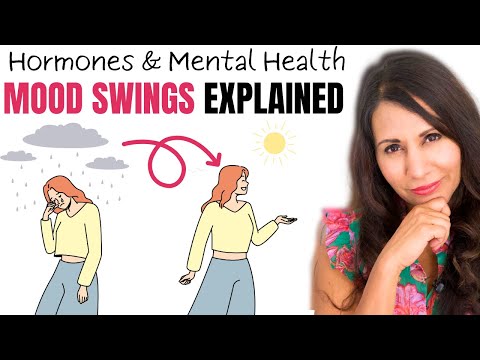
You know those days when your mood just flips? One minute you’re on top of the world, and the next, you feel like you’ve crashed into a deep pit. It’s wild.
Mood swings can feel like you’re riding a rollercoaster without a seatbelt—terrifying and exhausting. Seriously, one moment you’re laughing, and the next, it feels like everything’s falling apart.
Many people deal with this stuff. You’re not alone if you find yourself caught in the whirlwind of emotions. Let’s figure this out together, okay? We’ll chat about what’s going on with these rapid shifts and how to ride that wave without losing your mind!
Understanding the Causes of Mood Swings in Women: Key Factors and Insights
Mood swings can be a real rollercoaster, can’t they? One minute you’re feeling on top of the world, and the next, you might feel like you’re in a deep pit. This is especially common in women due to several factors that are totally worth discussing. Let’s break it down.
Hormones play a big role here. Changes in hormone levels, especially during the menstrual cycle, pregnancy, or menopause, can significantly affect mood. Like, remember that one time your friend just couldn’t stop crying during a sad movie? That might’ve been hormones at play.
Another factor is stress. Life throws so much at us. Work pressures, family responsibilities, and even just trying to keep up with everything can lead to rapid shifts in how we feel. Imagine juggling a million things and suddenly feeling overwhelmed—that’s your mood being affected by stress.
Then there’s mental health conditions. Things like anxiety or depression often come with mood swings as part of the package deal. For instance, if someone’s under treatment for depression but hasn’t found the right medication yet, their emotions might feel all over the place.
Sometimes it’s about lifestyle choices. Lack of sleep or poor diet can mess with our moods too. If you think about those late nights studying or binge-watching shows instead of resting properly—yeah, that lack of sleep makes us cranky sometimes!
You should also consider environmental triggers. External factors like changes in seasons or even certain social situations can prompt mood fluctuations. If it’s a crummy rainy day when you were counting on sunshine for your picnic plans… well, you might feel pretty down!
Lastly, don’t forget about genetics and family history. If mental health issues run in your family tree, there’s an increased chance that mood swings could pop up too—kind of like inheriting Aunt Mary’s knack for baking but not always the good stuff.
So yeah! Mood swings are complex and influenced by lots of different factors—hormonal changes being just one piece of the puzzle. Understanding these causes can help navigate those ups and downs more effectively. And always remember: you’re not alone in this; many people experience similar challenges!
10 Effective Natural Strategies to Manage Mood Swings and Enhance Emotional Well-Being
Mood swings can feel like you’re on an emotional rollercoaster. One minute, you’re riding high, and the next, a sudden drop leaves you feeling low. It’s totally normal to experience these ups and downs, but when they happen frequently or intensely, it can really mess with your day. So, let’s chat about some natural strategies to manage those mood swings and boost your emotional well-being.
1. Stay Active
Physical activity is seriously one of the best ways to lift your mood. Whether it’s going for a brisk walk, dancing in your living room, or hitting the gym, exercise releases endorphins. These are often called “feel-good” chemicals in your brain. Think back to that time you finished a really tough workout—remember the rush? That’s what we’re talking about!
2. Mindfulness and Meditation
Practicing mindfulness helps keep you grounded during those wild emotional shifts. It’s all about being aware of what’s happening around you and within you without judgment. Just take a few deep breaths and focus on the moment—like noticing how your body feels or listening to the sounds around you. Even just 5-10 minutes can help clear out that emotional noise.
3. Eat Well
Your diet really impacts your mood more than you’d think! Foods rich in omega-3 fatty acids (like salmon), leafy greens, and whole grains can stabilize blood sugar levels and keep those mood dips at bay. And don’t forget about hydration—being dehydrated can make you feel cranky or foggy-headed.
4. Sleep Hygiene
Getting enough quality sleep is key for emotional balance. When you’re well-rested, it’s easier to handle stressors that might otherwise throw off your mood. Try sticking to a bedtime routine; maybe read a book or listen to calming music before hitting the sack.
5. Connect with Others
Social support plays a big role in how we feel emotionally—so reach out! Talking with friends or family when you’re feeling low can remind you that you’re not alone in this ride of life. Plus, sometimes just sharing how you’re feeling can lighten that emotional load!
6. Limit Caffeine and Sugar
Alright, I know it’s tempting! Caffeine and sugary snacks might give you that quick energy boost but often lead to crashes that leave your mood dropping faster than you’ll believe! Moderating these food sources can help keep things steady.
7. Keep a Journal
Writing down how you’re feeling can be super therapeutic—it lets you express emotions without worrying about judgment from others! Plus, it helps identify patterns in your mood swings over time.
8. Practice Gratitude
Seriously! Taking even just a minute each day to think of what you’re grateful for shifts focus away from negative feelings toward positive ones—like how nice that barista was this morning or even enjoying some sunshine outside.
9. Set Realistic Goals
Sometimes our moods dip because we’re putting too much pressure on ourselves—like wanting everything done perfectly right away! Set small goals instead; achieving them feels good and gives motivation for tackling bigger tasks later.
10. Seek Professional Help if Needed
Look, there’s no shame in reaching out for help if those mood swings are too intense or frequent—sometimes talking with a therapist makes all the difference! They’ll work with ya on coping strategies tailored specifically for *your* needs.
At the end of it all, managing those unpredictable mood swings takes practice—but it is absolutely doable! You’ve got tools in your toolbox now; it’s just about finding what works best for *you* as an individual on this journey called life.
Understanding Unexplained Mood Swings: Causes, Effects, and Coping Strategies
Mood swings can really throw you for a loop, right? One minute you’re riding high, feeling on top of the world, and the next, it’s like someone flipped a switch and you’re in a dark hole. It’s that sudden flip-floppy feeling that can leave you confused and even a bit worried.
So what causes these mood swings? They can come from all sorts of places. Stress is a big player here—whether it’s work pressure or relationship drama. Hormonal changes also mess with your mood; think about how some people say they get cranky during their period. Then there are mental health conditions like bipolar disorder, which is characterized by intense mood episodes, ranging from mania to depression.
Another thing to consider is lifestyle. Lack of sleep or poor diet can seriously affect how you feel. Picture this: ever tried to function after a night of zero sleep? You’re not yourself at all! Even caffeine or sugar spikes can contribute to those ups and downs because they mess with your energy levels.
Now, let’s talk about the effects of these rapid changes in mood. The emotional rollercoaster can be tough on relationships. Imagine your friends not knowing whether they’re going to catch you cheerful or grumpy at any moment—it gets exhausting for everyone involved! Plus, it can affect your work life too. You might find it hard to stay focused or motivated when your mood is all over the place.
And then there’s the internal struggle—feeling like you’ve lost control over your own emotions can be super frustrating and isolating. It’s like being on a ride that you didn’t sign up for!
Coping strategies are key if you want to manage those unpredictable moods. First off, keeping track of when those swings happen could help identify patterns or triggers. You know; like “Ah-ha! This mood swing always happens after I drink three cups of coffee!”
- Practice mindfulness: Take a moment to breathe deeply or just sit quietly with your thoughts—it helps ground you.
- Talk it out: Sharing what you’re feeling with someone close can lighten the load significantly.
- Create routines: Try establishing daily habits to provide structure; routines are like comfort blankets for your mind!
- Avoid substances: Keeping an eye on alcohol or drug use is important since they often make things worse.
If things get overwhelming, talking to a mental health professional could give you more personalized tools to deal with what’s going on inside your head. And don’t forget—sometimes medications play a role too in managing extreme mood swings; that’s worth discussing if you’re really struggling.
The thing is, understanding why you’re experiencing these shifts in feelings isn’t always easy but knowing there are ways to cope makes it less daunting. You’ve got this!
You know, it’s one of those things that can really throw you for a loop. Rapid mood swings are like those roller coasters that make your stomach drop one moment and then lift you to the clouds the next. When life feels like that, it can be overwhelming. I remember a friend of mine, let’s call her Sarah. One minute she was bright and bubbly, laughing about some silly TikTok video, and the next she was in tears over something small, like her coffee order being wrong. It was tough to watch because you could feel that emotional whiplash in her.
So, what’s going on when someone experiences these wild mood shifts? For some folks, it’s part of a mental health condition like bipolar disorder or borderline personality disorder. But even if you don’t have a specific diagnosis, life can sometimes hit us with emotions that come out of nowhere. Stress, hormones, or even lack of sleep can really mess with how we feel.
It’s hard when your mind feels like a snow globe shaken up all at once—everything seems chaotic and blurry. You might find yourself asking questions: “Why did I react this way?” or “What am I feeling right now?” Seriously, those moments can leave you feeling really lost.
Developing coping strategies is essential here. Some people find writing their feelings down helps untangle the jumbled mess inside their head. Even talking to someone—a friend or a therapist—can make all the difference in understanding what’s happening.
And hey, it’s not about getting rid of those mood swings completely; it’s more about learning how to ride them out without getting hurt along the way. It might not always seem easy peasy lemon squeezy; but finding grounding practices—like deep breathing or mindfulness—can be lifesavers in these emotional storms.
In any case, if you’re navigating this type of thing yourself or know someone who is dealing with rapid mood swings, remember: it’s okay to ask for help and share what you’re going through! Seriously! You’re not alone in this crazy ride called life.