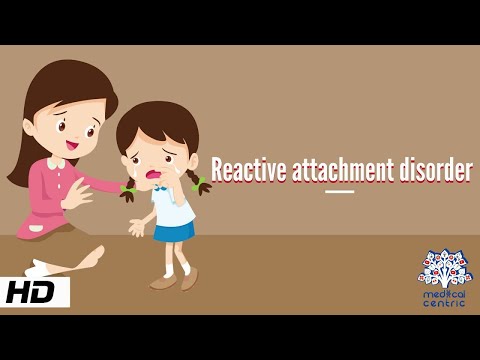
So, let’s chat about something that doesn’t always get the spotlight it deserves. You ever heard of Reactive Attachment Disorder? It’s a mouthful, I know. But it’s really important, especially in kids.
Imagine a little one who struggles to connect with others. They may not show love the way you’d expect. It’s kinda heartbreaking when you think about it. You know, like when you see a kid at school sitting alone during recess?
In this case study, we’ll dive into what this disorder looks like in children. We’ll explore the whys and hows behind their behavior. And trust me, you’ll get a glimpse of the emotional rollercoaster it can be for both the kids and their families.
Stick around; it’s gonna be eye-opening!
Understanding Reactive Attachment Disorder in Childhood: Causes, Symptoms, and Treatment
Reactive Attachment Disorder, or RAD, is something that can really affect kids who haven’t had stable and caring relationships early in their lives. They might struggle to form healthy attachments with parents or caregivers, which can lead to some tricky behaviors down the line.
So, let’s break it down a bit.
Causes:
The roots of RAD usually lie in early experiences. Kids who grow up in environments without consistent care—like those in foster care, those who’ve experienced neglect, or abuse—can be at higher risk. Picture a little one who never really knows when they will get food, comfort, or cuddles; it can create a storm of confusion about relationships.
Symptoms:
When it comes to symptoms, kids with RAD might show some pretty intense behaviors. You might see things like:
- Avoidance of closeness: They often steer clear of emotional connections.
- Difficulty regulating emotions: A simple upset can turn into a full meltdown.
- A fearful attitude: Some may act out because they feel threatened by closeness.
- Lack of empathy: They might struggle to understand others’ feelings.
- Impulsivity: Acting out without thinking is common.
Just to illustrate this stuff a bit more: think about a kid named Sam who was really shy and didn’t trust anyone at all. When his teacher would try to give him praise or help him with his work, he’d pull away. It’s like he wanted that connection but didn’t know how to handle it because he hadn’t learned how relationships work.
Treatment:
Now onto the treatment side of things. It’s super important for kids with RAD to get support early on so they don’t carry these challenges into adulthood. Here are some effective approaches:
- Therapy: Play therapy and attachment-focused therapies often help kids express themselves and learn about trust.
- Parent training: Educating caregivers on how to respond appropriately can make such a difference.
- Caring environments: Creating stability is key; sometimes it just takes time spent together doing fun activities.
One strategy could be using play therapy; this allows children like Sam to express feelings through games rather than words, which can be less overwhelming.
In essence, understanding Reactive Attachment Disorder is all about recognizing the vital role that stable early relationships play in child development. The earlier we catch these issues and provide support, the better the outcomes for these kiddos down the line!
Growing Up with Reactive Attachment Disorder: Long-Term Effects on Kids and Their Futures
Growing up with Reactive Attachment Disorder (RAD) can be pretty tough for kids. This condition usually happens when they don’t get the love and care they need during those super important early years. You see, attachment is like the bond between a child and their caregiver. When it doesn’t develop properly, it can lead to some serious long-term effects.
Emotional Challenges: Kids with RAD often struggle with emotions. They might seem distant or have trouble showing love and affection. Imagine a child who’s always pulling away when someone tries to hug them. They might not know how to trust or connect with others, which can feel really lonely.
Behavioral Problems: Behavior issues are also common. Kids might act out in school or at home, leading to disciplinary problems. Picture a kid constantly getting into fights or having tantrums, and it’s all linked back to that inability to form secure attachments.
Social Difficulties: When it comes to making friends, things can get rough too. Children with RAD may have a hard time understanding social cues or expressing themselves in healthy ways. They could come off as rude or detached even if that’s not their intention.
Long-Term Effects: As these kids grow up, the challenges don’t just disappear. Many will face difficulties in relationships later in life. They might struggle with being intimate or trusting partners fully. Like an adult who has trouble letting others in because their childhood taught them that closeness equals pain.
Academic Struggles: In school, these issues can translate into academic struggles as well. With all that anxiety and behavioral disruption, learning becomes harder than it should be. It’s like trying to read a book while someone keeps shouting in your ear—pretty distracting!
But here’s the thing: early intervention is crucial! Families who reach out for help can make a huge difference in a child’s life journey. Therapy tailored for kids dealing with RAD can help them learn how to build healthy relationships and manage their emotions better.
Finding supportive environments where these kids feel safe is so important too! Schools, like those with social-emotional learning programs, can provide a nurturing space where they learn how to engage positively with peers.
In the end, growing up with RAD isn’t easy—but it doesn’t have to define someone forever either! It’s about taking those first steps toward healing and finding the right support along the way.
Understanding the Controversy Surrounding Reactive Attachment Disorder (RAD): Insights into Diagnosis and Implications
Okay, let’s chat about Reactive Attachment Disorder (RAD), a pretty intense topic but super important in the world of child psychology. RAD is something that can affect kids, especially those who’ve had tough beginnings—think neglect or unstable living situations.
What is RAD? It’s basically a condition where kids have trouble forming healthy emotional bonds with caregivers. This might happen because their early attachments were disrupted. So if a child has been through a lot and hasn’t received consistent care, it could mess with their ability to trust and connect with others.
Kids with RAD might seem distant or withdrawn. Like, they might not seek comfort from adults even when they’re upset. Or they could go the opposite route and show a whole lot of anger and aggression towards others, you know? There’s often confusion around how to diagnose it because the symptoms can look like other issues, like ADHD or anxiety.
Now, diagnosing RAD isn’t always straightforward. It usually happens when kids are young—before 5 years old, mostly. But there’s that gray area too: sometimes behaviors resemble typical childhood stuff or other mental health conditions.
Key points about diagnosis include:
- The child’s history of relationships and care.
- Behaviors observed over time—not just a one-off incident.
- A thorough evaluation by mental health professionals; this can mean interviews and assessments.
And here’s where it gets tricky: some experts argue that RAD is underdiagnosed because not all troubled kids fit neatly into this box. Others worry it’s overdiagnosed in some cases where there might be different primary issues going on.
A case study that comes to mind involves a little girl named Mia who grew up in foster care after being neglected at home. When she finally landed with a loving family, she struggled to connect emotionally—even when they showered her with love! This is classic for RAD kids; sometimes real affection feels foreign or even scary to them.
Implications of RAD reach far beyond individual families too. If not treated properly, children may develop ongoing difficulties in relationships as adults—think trouble keeping friendships or romantic partners at arm’s length. That can lead to loneliness and even mental health issues later on.
Treatment usually includes therapy geared toward building trust—like play therapy for younger kids or attachment-focused therapies for older ones. The goal? Help them develop healthier connections over time so they can learn that love isn’t something scary but rather something safe.
So, in wrapping this up, understanding RAD is essential for anyone involved in child psychology or care. Navigating through its complexities requires patience and compassion—not just from professionals but from families too—and knowing the right steps can really make a difference in these kids’ lives!
So, let’s chat about Reactive Attachment Disorder (RAD) and, you know, how it plays out in real life. Imagine a kid named Max. From a young age, he faced a ton of challenges. He moved through several foster homes before finally landing with a loving family. But here’s the kicker—because Max didn’t form secure attachments early on, he struggled to connect emotionally.
One time, I remember hearing about how during family dinners, Max would just sit there, looking lost while everyone else laughed and chatted. It was like he was in his own world. His parents tried everything—games, hugs, you name it—but it felt like trying to reach him through a thick glass wall. That’s what RAD can do; it messes up the normal ways kids bond.
You know how some kids run to their parents for comfort when they’re upset? Max just couldn’t do that. Instead of crying when he got scared or hurt, he would either shut down or lash out at the people trying to help him. It’s not because he didn’t want love; it’s just that the wiring in his brain had been tweaked by all those early experiences.
Therapists often work with kids like Max using play therapy and attachment-based techniques. But seriously, progress can feel like watching paint dry sometimes! Little steps forward often get followed by big backslides because healing takes time—like years! And while the parents may feel exhausted or even hopeless at times, having patience is key.
So when we talk about RAD in child psychology, it’s really about understanding that every child has their own story and timeline for healing. The goal isn’t just to fix them but to help them learn how to trust again—one small moment at a time. You see what I mean? It’s tough work but oh-so-important for kids who’ve been through so much already.