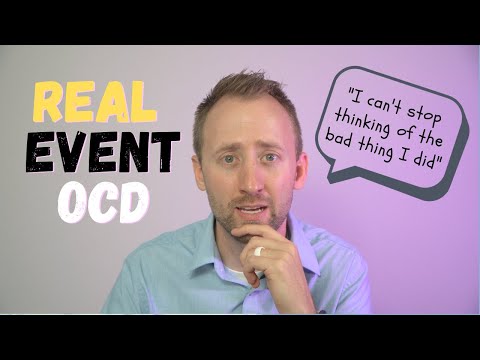
You ever find yourself worrying about the future? Like, really worrying?
Yeah, that’s totally normal. But for some folks, it’s a whole different ball game. I’m talking about OCD and a thing called catastrophizing.
Imagine you spill your coffee and suddenly you’re convinced your whole day is ruined. Sounds dramatic, right? But it feels so real in the moment!
Trust me, I get it. These thoughts can spiral and make life feel like an obstacle course. So today, let’s chat about how to cope when those crazy thoughts hit you like a ton of bricks.
Understanding Real Event OCD Catastrophizing: Causes, Symptoms, and Coping Strategies
Understanding Real Event OCD Catastrophizing can feel like navigating a maze with no exit. If you or someone you care about is grappling with this, you’re not alone. Let’s break it down.
What is OCD Catastrophizing? Basically, it’s when your mind gets stuck on the worst possible scenarios related to a real event or situation. You might think something terrible is going to happen, even if there’s no solid evidence to back it up. Imagine worrying about a loved one who’s late coming home. Instead of just thinking they’re stuck in traffic, your mind spirals into “What if they got into an accident?” That type of thought can become overwhelming.
Causes of this kind of anxiety aren’t always clear-cut, but several factors can contribute:
- Genetics: If anxiety runs in your family, you may be more predisposed.
- Environment: Stressful life events or trauma can trigger these thoughts.
- Cognitive Patterns: Some people naturally tend to see the glass as half empty.
When we talk about symptoms, it’s not just about worrying. It often includes:
- Persistent thoughts: You can’t shake that nagging feeling of dread.
- Avoidance behavior: You start avoiding places or situations that remind you of the worry.
- Anxiety symptoms: This might look like sweating, racing heart, or even panic attacks when faced with triggering thoughts.
Now let’s get to the important part: Coping Strategies.
- Acknowledge Your Thoughts: Simply recognizing that you’re having these worries is a huge first step. It doesn’t mean they’re true.
- Cognitive Behavioral Therapy (CBT): This kind of therapy helps challenge and reframe those catastrophic thoughts. A therapist guides you through strategies to change how you think about these situations.
- Meditation and Mindfulness: Practicing mindfulness helps ground you in the present moment and can reduce anxiety levels significantly.
- Talk It Out: Sometimes just talking about your worries with a friend or therapist helps lessen their power over you.
For example, let’s say you’re constantly worried that your friend will get hurt because they went hiking alone. Instead of spiraling into fears about them getting injured on dangerous trails, try grounding yourself by recalling safe hikes you’ve seen them complete before.
In summary, living with Real Event OCD Catastrophizing isn’t easy; it feels heavy and all-consuming at times. But understanding what drives these thoughts and learning coping strategies can help lighten that load. Just remember: you’re not fighting this battle alone; support is out there!
Effective Strategies to Overcome Ruminating in Real Event OCD: A Comprehensive Guide
When you’re dealing with Real Event OCD, it can feel like you’re stuck on a mental hamster wheel of worry and doubt. Ruminating about those past events, questioning every detail, overanalyzing every moment—it’s exhausting. So, how do you break free from this cycle? Here are some effective strategies that might help.
1. Acknowledge Your Feelings
First things first, it’s okay to feel anxious or upset about a real-life event. Ignoring those feelings can sometimes make them worse. Just sit with them for a minute. You might say something like, “Yeah, I’m feeling super anxious right now.” This recognition can be like opening a window on a stuffy room.
2. Set Time Limits for Ruminating
You know when you start thinking about something and it spirals? Try setting aside specific times to let yourself ruminate but keep it limited—like 10-15 minutes a day. You can jot down your thoughts during this time so they don’t keep popping up later.
3. Distraction Techniques
When ruminating hits hard, try to distract yourself with activities you enjoy! Whether it’s reading, watching a funny show or even going for a walk—find something that pulls your attention away from those relentless thoughts. It’s like giving your mind a much-needed break.
4. Challenge Negative Thoughts
Take some of that energy and put it into questioning the validity of your worries. Ask yourself questions like: “Is there real evidence that this event will lead to catastrophe?” or “What’s the worst that could happen?” Sometimes writing these things down helps too; it externalizes the worry and makes it easier to tackle.
5. Mindfulness and Grounding Techniques
Practicing mindfulness is all about being present in the moment; not letting your mind wander back to what’s already happened or what could happen in the future. Breathing exercises or grounding techniques—like focusing on what you can see, hear, and feel around you—can help bring you back into the now.
6. Seek Professional Support
There’s no shame in reaching out for help! Therapists who specialize in OCD can equip you with tools tailored specifically for your needs—whether through Cognitive Behavioral Therapy (CBT) or Exposure and Response Prevention (ERP). They’ve got your back!
7. Connect with Others
Talking to people who get what you’re going through can make a world of difference. Join support groups where members share similar experiences; sometimes just knowing you’re not alone in this fight is enough to lighten that load.
To sum up, battling ruminations tied to Real Event OCD isn’t easy—it takes practice and patience; but these strategies might just give you some relief on tough days. Remember: every step forward counts, no matter how small! It’s all about finding what works best for you on this journey toward understanding and managing those thoughts better.
Understanding Real Event OCD: Insights and Support from Reddit Communities
Real Event OCD can be a heavy burden. If you’re unfamiliar, it’s a type of obsessive-compulsive disorder where your brain gets stuck on real-life events that cause distress. Maybe it’s something like a car accident you witnessed or a conversation that didn’t go quite right. The thoughts can spiral out of control, leading to intense anxiety and what’s often called «catastrophizing.» This is when you blow things way out of proportion in your mind.
Many people find comfort and understanding in online communities like Reddit. These spaces allow folks to share experiences, offer support, and discuss coping strategies. It’s pretty amazing how talking about these feelings can lighten the load. You might find people sharing their stories, which can make you feel less alone—like you’re part of something bigger!
One thing that pops up often in these discussions is the idea of exposure therapy. This isn’t as scary as it sounds. Basically, it involves gradually facing the thoughts or memories you’re fearing instead of avoiding them. For example, if thinking about an event makes you anxious, exposure therapy might involve first just thinking about it for a moment and then working your way up to discussing it with someone you trust.
Additionally, managing catastrophizing directly can really help too. This is where cognitive behavioral therapy (CBT) comes into play. CBT helps reframe those catastrophic thoughts into more manageable perspectives. Your brain gets used to seeing things as less threatening over time.
Here are some key points from discussions in Reddit communities that might resonate:
- Community Support: Many users highlight how sharing their experiences brings relief.
- Coping Strategies: Techniques like journaling or grounding exercises are often mentioned.
- Professional Help: A lot of folks talk about the benefits of seeking therapy, especially from someone who understands OCD.
- Meditation and Mindfulness: Some find practices like meditation helpful for reducing anxiety in the moment.
You know how sometimes all it takes to feel better is knowing you’re not alone? That’s one powerful aspect of these online communities—the sense of camaraderie among those grappling with similar feelings.
It’s also important to look at self-care routines while managing Real Event OCD. Keeping up with healthy habits can significantly affect your mental well-being. So don’t overlook simple things like staying active or hanging out with friends who uplift you.
Finally, cultivating an attitude of patience toward yourself is essential too. Healing from Real Event OCD isn’t always straightforward; there will be ups and downs along the way! Just remember that seeking help—whether from professionals or peers—can make that journey feel a little easier and more manageable over time.
Connecting with others who relate to your experience can be incredibly validating; it’s all part of finding ways to cope and step forward together!
You know, dealing with OCD can feel like you’re stuck in a rollercoaster ride that just won’t stop. I remember a friend of mine, let’s call her Mia. She used to spiral over the smallest things. If she forgot her keys at home, her mind would race into full-blown panic. What if someone broke in? What if they stole everything? It’s like watching her brain set off on a wild goose chase for the worst possible scenario, even when everything was perfectly fine.
Catastrophizing is when your brain jumps straight to “worst-case scenario” mode. In real life events, it can be exhausting! Let’s say you’re running late for work; instead of thinking about how you might just miss a meeting, you’re suddenly convinced you’ll get fired. Or what if you bump into an old friend and they don’t seem interested in chatting? You might start thinking they’ve always hated you or that you’ve lost all your social skills.
The tricky part here is that it feels so real in the moment. Your worries morph into a foggy cloud that makes it tough to see clearly. But here’s where coping techniques come in handy—and they’re actually pretty simple once you break them down.
One thing that can help is grounding yourself in reality. When Mia felt those waves of anxiety hitting, I’d remind her to take a breath and look around. “Okay, yeah, the keys are gone,” I’d say, “but nothing bad has happened yet.” It’s crazy how powerful just acknowledging the present moment can be.
Also trying to challenge those catastrophic thoughts is key too. You might ask yourself questions like: “What evidence do I have for this thought?” or “What’s more likely to happen here?” Seriously—once Mia started doing this, she began spotting those exaggerated scenarios a lot quicker.
And don’t underestimate the power of talking things out with someone you trust. Seriously! Just sharing those thoughts with someone and hearing them laugh gently at how wild they sound could lighten things up quite a bit.
So yeah, catastrophizing doesn’t have to take over your life completely. It’s about catching those runaway thoughts and steering them back on track before they spiral out of control—kind of like getting back onto solid ground after a crazy fall from a rollercoaster ride!