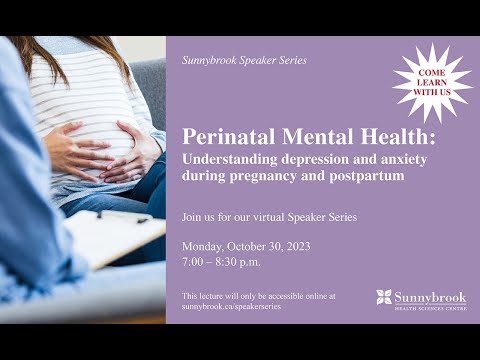
You know, pregnancy is often painted as this glowing, magical time. But honestly? It can come with a serious emotional rollercoaster.
Many people don’t realize that early pregnancy can stir up all sorts of feelings. Joy, excitement, anxiety, even fear—it’s a mix that’s hard to untangle.
I remember my friend telling me how she felt thrilled one moment and totally overwhelmed the next. She felt like she was on a seesaw just trying to balance everything.
So yeah, early pregnancy isn’t just about the bump growing; it’s about your mental health too. Let’s chat about those emotional challenges and why they matter more than you might think!
Understanding the Impact of Early Pregnancy on Mental Health: Key Insights and Support
- Let’s Talk About the Rollercoaster: Early pregnancy can feel like a wild ride. You might be super excited one minute and then overwhelmed the next. It’s a huge shift, you know? Your body is changing, hormones are on the rise, and all this mixes together to create a cocktail of emotions.
- The Hormonal Tsunami: Seriously, those hormones can pack a punch. They can cause mood swings that make you feel like you’re on an emotional seesaw. One moment, you’re crying over a cute puppy video; the next, you find yourself snappy at your partner for no real reason. Understanding that this is normal can help ease some of that emotional stress.
- Fear of the Unknown: What happens during pregnancy also brings up anxieties about the future. Questions flood in—Will I be a good parent? Will I be able to handle this change? Those worries can weigh heavy on your mind and affect your mental health.
- Isolation Vibes: Sometimes, early pregnancy may make you feel isolated from friends or family who aren’t in the same boat. You might not relate to your friends who don’t have kids yet or feel different about social situations. This disconnect can lead to feelings of loneliness.
- Physical Discomfort: The physical changes in your body often come along with discomfort—nausea, exhaustion, and more—which can contribute to mental strain too. When you’re physically drained, it’s much harder to deal with emotional stuff effectively.
- Support Matters: Having someone to lean on makes a massive difference during this time. Whether it’s a partner, family member, or friend, talking about what you’re feeling really helps. Sometimes just knowing someone’s in your corner eases those worries.
- Seeking Professional Help: If things start feeling too heavy or overwhelming—like you can’t shake off that sadness—don’t hesitate to reach out for professional support. Therapists can offer guidance tailored for folks navigating early pregnancy challenges.
- Your Journey is Valid: Remember that everyone’s experience is unique! Feeling scared or anxious doesn’t mean something’s wrong with you; it just means you’re human and going through something big.
All said and done, being aware of these emotional challenges helps prepare for what’s ahead in early pregnancy. It’s okay not to feel okay all the time! Just take it one day at a time and know there’s support out there for whatever you’re facing.
Understanding Emotional Breakdowns During Pregnancy: A Common Experience?
Look, pregnancy can be an incredible journey, but let’s face it, it can also bring some pretty intense emotional ups and downs. You might have heard that emotional breakdowns during pregnancy are common. And yeah, they really are. Many women experience a whirlwind of feelings during those months. So, what’s going on?
First off, the hormonal changes happening in your body are no joke. You know how when you get your period and feel all moody? Well, imagine that but multiplied by a hundred. Seriously! Your body is flooding with hormones like estrogen and progesterone that can mess with your emotions.
Then there’s the stress factor. Like, bringing a new life into the world is no small deal! You might be worrying about finances, how you’ll handle sleepless nights, or if you’re even ready for this huge change. All these thoughts swirling around can lead to anxiety and even sadness.
Also, physical discomfort can play a part too. Morning sickness? Fatigue? Yeah, those things can make anyone cranky! When you’re not feeling great physically, it often drags down your mood too.
Plus, societal expectations? They don’t help much either. There’s this pressure to be glowing and happy all the time during pregnancy. When you’re feeling overwhelmed or emotional instead? You may feel guilt about not living up to that image.
- The role of support systems. Having a partner or family around can really help you cope better with these feelings. If they understand what you’re going through and offer support? It makes a world of difference!
- Self-care matters. Taking time for yourself—whether it’s a walk outside or just chilling with some music—can help soothe those emotional storms.
- If things feel too heavy, reaching out for professional help is totally okay. Therapists who specialize in prenatal mental health can offer great support when things feel overwhelming.
A friend of mine once shared her experience during her first pregnancy. One day she was blissfully shopping for baby clothes and the next she was sobbing over the fact that her favorite doughnut shop closed down! It sounds silly, but her emotions were totally valid—just part of that rollercoaster ride.
In short, emotional breakdowns during pregnancy aren’t “abnormal.” They’re part of the package deal life throws at you when you’re expecting. Acknowledge what you’re feeling, lean on your support network, and don’t hesitate to seek help if needed! You’re definitely not alone in this whole experience!
How Emotional Stress During Pregnancy Affects Your Baby’s Development
Pregnancy is a rollercoaster—like, a total whirlwind of emotions. One minute you’re glowing, and the next you’re crying over a commercial. That emotional stress during this time can really impact not just you but also your baby’s development. So, let’s break down how that all works.
When you experience emotional stress, like anxiety or depression, your body reacts in ways you probably don’t even realize. It’s not just about feeling sad or overwhelmed; there are actual physical changes happening inside you. For instance, your body releases stress hormones like cortisol. This is where it gets interesting: when cortisol levels are high for extended periods, it can potentially reach the baby through the placenta.
So what does this mean for development? Research shows that high levels of maternal stress can be linked to a bunch of outcomes for the little one. Here’s some stuff to think about:
- Brain Development: Stress during pregnancy can affect brain structure and functioning in babies.
- Emotional Regulation: Kids whose moms had high stress might have trouble with anxiety and emotional control later on.
- Premature Birth: Stressful pregnancies can sometimes lead to preterm labor, which isn’t ideal.
Let me tell you about Sarah, a friend from college. When she was pregnant with her first child, she went through a tough time at work and was constantly stressed out. Her little one ended up being born a month early and had some feeding issues early on. It was tough for both her and the baby!
But wait—stress isn’t an all-or-nothing situation. It’s kinda normal to feel stressed here and there during pregnancy; life happens! What really matters is how you manage that stress. Practicing self-care could be super helpful, like gentle exercises or meditation.
Also, talking things out with someone—a partner, friend, or even a therapist—can work wonders too. Seriously! Having support can make a major difference in how you handle those emotional ups and downs.
In summary, while some emotional stress is totally normal in pregnancy, chronic or extreme stress isn’t so great for either of you. The impact on your baby’s development is real but manageable with the right support and tools in place to help keep your mental health balanced as much as possible. You got this!
So, let’s talk about those emotional ups and downs that can hit during early pregnancy. It’s like you’ve signed up for a rollercoaster ride but didn’t really know it would be this wild. I mean, one minute you’re ecstatic thinking about the future, and the next, you could be crying over a spilled cup of coffee. Seriously, though—hormones are no joke!
I remember when my friend Sarah found out she was pregnant. She was over the moon at first, you know? But soon after that excitement, she started feeling all these waves of anxiety. It was like someone flipped a switch. One moment she’d be planning baby names and nursery colors, and then she’d spiral into worries about whether she’d be a good mom or if everything would go smoothly with the pregnancy. It’s common; just so many emotions swirling around.
You might find yourself feeling more sensitive or irritable too—like everything bothers you just a little more than usual. Maybe it’s just the way someone looks at you or an offhand comment that sends you into a tailspin of doubt or frustration. It can feel really isolating sometimes, like you’re stuck in your head while everyone else seems totally fine.
And then there’s guilt too—the pressure to be this perfect picture of what motherhood should look like right from the start can weigh heavily on your shoulders. You might think: “Am I allowed to feel scared?” or “Shouldn’t I just be happy?” But feelings are messy and complex, right? It’s okay not to have it all together from day one.
Finding support can make a world of difference. Reaching out to friends who’ve been through it or talking to someone who understands—like a therapist—can help process all those swirling emotions. Just having someone listen and say “Yeah, I get it,” can feel like taking off heavy boots after a long walk.
So yeah, early pregnancy is beautiful but also challenging when it comes to mental health. Embracing those feelings instead of pushing them away might just help navigate this rollercoaster ride with a little more grace—and maybe some laughter along the way!