Hey, you know, sometimes it feels like the clouds just won’t lift. Like you’re stuck in a bit of a rut, and it’s hard to shake that heavy feeling.
Well, that’s where medications like reboxetine come into play. It’s one of those options people talk about when the usual stuff doesn’t cut it anymore.
So, what’s the deal with it? How does it help you feel a little more like yourself again? Let’s chat about that and figure out if it might be a fit for you or someone you know.
Exploring the Benefits of Reboxetine for Mental Health: A Comprehensive Guide
Reboxetine is an interesting medication that’s been talked about a lot in the context of treating depression. It’s classified as a norepinephrine reuptake inhibitor (NRI), which means it works by increasing levels of norepinephrine in the brain. That’s important because norepinephrine is linked to mood and emotional regulation. So, if you’re feeling low, boosting this neurotransmitter can help lift your spirits.
How does Reboxetine work? Well, it’s all about blocking the reabsorption of norepinephrine in your brain. This basically means more of it hangs around to do its job. Some folks find that this helps them feel more energetic and less overwhelmed by negative thoughts, you know? It’s like giving your brain a little jolt to help shake off that fog of depression.
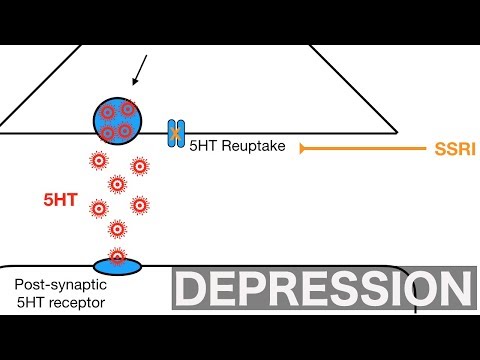
Now, it’s not just about how it works but also about who it might help. Reboxetine has been studied for various types of depression. It’s particularly helpful for those who might not respond well to other medications like SSRIs (Selective Serotonin Reuptake Inhibitors). So if you’ve tried other treatments without success, this might be something worth discussing with your doctor.
Benefits include:
- The potential for fewer side effects compared to some other depression meds.
- No weight gain, which can be a concern with other antidepressants.
- It may improve energy levels and focus.
But hang on; it’s not all rainbows and sunshine. Some people experience side effects, and these can include insomnia or dry mouth. And while it’s generally well-tolerated, everyone’s body reacts differently to medications. What works wonders for one person might not do much for another.
Speaking of experiences, one friend shared their journey with Reboxetine after battling depression for years. They had tried several medications that either made them feel worse or came with unwanted weight gain. When they finally started taking Reboxetine, they noticed a gradual improvement in their mood and energy levels—it was like night and day!
It’s also worth mentioning that like any treatment plan, combining medication with therapy can be super beneficial. Therapy provides tools to deal with life challenges while medication tackles the biological aspect of depression.
If you’re considering Reboxetine: Make sure to have an open conversation with your healthcare provider about your symptoms and any concerns you have regarding treatment options. It’s crucial to find what works best for you—everyone’s journey is unique!
So there you have it—Reboxetine is one option among many in the battle against depression. It comes with its own set of benefits and potential downsides, so weighing them carefully will help guide your decision-making process on what path feels right for you.
Exploring the Best Medications for Depression: Your Guide to Finding the Right Happy Pill
So, let’s chat about medications for depression, specifically focusing on a drug called Reboxetine. You may have heard of it or seen it mentioned somewhere. It’s a bit different from the more common antidepressants you typically hear about, like SSRIs. The thing is, it’s good to understand how these medications work and what they can do for you.
What is Reboxetine?
Reboxetine is what’s known as a Norepinephrine Reuptake Inhibitor (NRI). Basically, that means it focuses on norepinephrine, which is a neurotransmitter linked to mood regulation. It helps boost your mood by preventing the reabsorption of norepinephrine in the brain. So when it’s running around freely, it can improve your overall sense of well-being.
How does it work?
When someone is dealing with depression, their brain may not communicate effectively due to low levels of norepinephrine and serotonin. By blocking the reuptake of norepinephrine, Reboxetine gives your brain more time to use this chemical. It might help lift some of that heavy fog weighing down on you.
Who might benefit from it?
Not everyone finds success with every type of medication. Some people do particularly well with NRIs like Reboxetine if they’ve tried other antidepressants without much luck or can’t tolerate them due to side effects.
- Anxiety symptoms: If anxiety goes hand-in-hand with your depression, some users find relief from their anxious feelings while taking Reboxetine.
- Lack of energy: For those feeling more fatigued than sad, this med could potentially help improve energy levels.
- No sexual side effects: One benefit reported by some folks is that Reboxetine may not carry the same sexual dysfunction risks as SSRIs do.
Potential downsides
Okay, so nothing’s perfect—Reboxetine has its own share of potential side effects you should know about:
- Dizziness: Some might experience lightheadedness or a feeling like they’re spinning.
- Trouble sleeping: Insomnia can be an issue if your body doesn’t adjust well to the medication.
- Dry mouth: Yep! It can leave you feeling parched.
And remember this: everyone reacts differently to medications. What works wonders for one person might be a total flop for another.
Taking the plunge
If you’re thinking about trying Reboxetine or any depression medication really—have an open chat with your healthcare provider. They know your health history and can guide you through what options might fit best for you.
I had a friend who struggled for years before finally getting help. Their journey involved switching between meds until they found one that worked harmoniously with their system—and boy did it make a difference! They often said finding that right “happy pill” was like uncovering buried treasure.
In short, exploring options like Reboxetine can be part of managing depression effectively—but patience and communication with your doctor are key in finding what brings you true relief.
Understanding the Absence of Reboxetine in the US Market: Key Reasons and Implications
Reboxetine is one of those medications that many people haven’t really heard much about, especially in the U.S. market. It’s an antidepressant, but it’s not available here, you know? The absence of Reboxetine is kind of interesting because it raises questions about how we approach depression treatment and what options are out there.
So, let’s break it down a bit.
First up, the FDA approval process. Reboxetine was never approved by the U.S. Food and Drug Administration (FDA). This means it didn’t meet their standards for safety and effectiveness compared to other available drugs. In clinical trials outside the U.S., results were mixed—some showed benefits while others didn’t really stack up as well against other medications like SSRIs or SNRIs. For example, while some patients reported fewer side effects with Reboxetine, its overall efficacy seemed inconsistent.
Next point: market demand. Pharmaceutical companies often look at how much need there really is for a medication before they invest in getting it approved here. Given that we’ve got plenty of other options for treating depression—like fluoxetine or sertraline—it just might not be worth the effort for them to push Reboxetine into the market.
And then there’s prescribing habits. Doctors in the U.S. tend to favor what they know works well and has been widely accepted for years. So that leaves limited room for something like Reboxetine, which isn’t part of their usual toolkit.
Another reason could be safety concerns. Some studies raised flags about potential adverse effects connected with Reboxetine, such as increased anxiety or even heightened blood pressure in some patients. These risks can make physicians hesitant to consider it as an option when they have other safer alternatives at hand.
Finally, implications for patients can be significant given its absence in the market. If someone needs help managing depression symptoms but doesn’t respond well to typical medications, they might feel frustrated by the lack of alternatives like Reboxetine. It puts more pressure on finding the right treatment since options are kind of limited.
In summary:
- The FDA hasn’t approved Reboxetine.
- Market demand wasn’t strong enough.
- Doctors stick with familiar meds.
- Safety concerns raised red flags.
- The absence limits choices for patients.
It’s a complex situation that reflects just how tricky mental health treatment can be! People deserve more options when dealing with conditions like depression, so it’s worth keeping an eye on how things evolve over time.
Reboxetine is one of those medications that doesn’t get as much buzz as, say, the SSRIs. You know? It’s an norepinephrine reuptake inhibitor (NRI) — basically, it helps boost the levels of norepinephrine in your brain. This chemical’s like little messengers that help regulate mood, attention, and energy levels. When you’re feeling low, sometimes getting that little nudge from medications like reboxetine can really change the game.
I remember a friend who struggled with depression for a long time. They tried a few different treatments but just couldn’t find something that worked consistently. When reboxetine was suggested to them, honestly, there was a mix of hope and skepticism. Like, would this be yet another thing that didn’t help? But they were willing to give it a shot.
Well, after starting the medication—after that awkward adjustment period filled with side effects—the change wasn’t instantaneous or magical. It was gradual; like turning up the brightness on a dimmed screen until everything becomes more vibrant again. They began feeling more motivated and less foggy. You could almost see them come back to life: feeling energized enough to go for walks again or even meet up with friends.
Now, reboxetine isn’t for everyone and can have its share of side effects—like any medication—and it may not work as well for some people compared to others. That’s just how mental health treatment can be; there isn’t a one-size-fits-all solution out there.
So if you’re thinking about options for treating depression symptoms or know someone who is considering their next steps in therapy or medication management, just keep an open mind about what’s out there! Sometimes it’s all about finding what truly resonates with your body and mind because everyone has their unique journey when dealing with mental health stuff. And who knows? Maybe something like reboxetine could end up being the answer you—or they—weren’t even expecting.