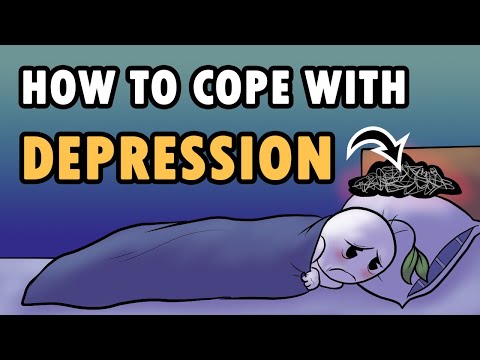
So, let’s chat about depression. You know, that heavy feeling that can sneak up on you outta nowhere? It’s like wearing a backpack filled with bricks, and sometimes you don’t even know why.
Honestly, if you’ve ever felt that way—or if someone you care about has—you’re not alone. Seriously, it’s more common than you think.
The good news? There are ways to manage it. Like, really effective treatments that can help lighten that load. I mean, wouldn’t it be nice to feel a bit more like yourself again?
We’ll break down some of the methods out there. From therapy to meds and everything in between—there’s something for everyone when it comes to tackling this beast.
So hang tight while we navigate through some options that might just help you find your spark again!
Effective Strategies for Managing Depression: A Comprehensive Guide
Managing depression can feel like a heavy weight, right? But there are effective strategies you can use to help lift that burden. Let’s break it down into some practical approaches you might find helpful.
Therapy is Key
Talking to a therapist can seriously change the game. There are different types of therapy, but two of the most common for depression are Cognitive Behavioral Therapy (CBT) and Interpersonal Therapy (IPT). CBT helps you identify negative thought patterns and change them. So imagine you’re stuck in a cycle of thinking “I’ll never be happy.” A therapist will help you challenge that thought, explore its roots, and replace it with something more realistic.
Medication Can Help
For some folks, antidepressants are a useful tool. These aren’t a magic fix but can help balance your brain chemistry. It’s like adjusting the volume on your favorite song—just enough to hear clearly again. Make sure to have an open chat with your doctor about what might be best for you.
Exercise: Nature’s Antidepressant
Seriously, moving your body can work wonders. Whether it’s a brisk walk or hitting the gym, exercise releases endorphins—those feel-good chemicals that can boost your mood. Remember when you felt great after finishing a run or even just dancing around? That’s the power of physical activity!
Build Your Support Network
This is super important. Having people you can lean on makes all the difference. Friends and family might not always know what to say, but simply being around them can provide comfort. Think back to times when just talking or hanging out with someone reminded you that you’re not alone in this.
Minding Your Mind: Mindfulness and Meditation
Mindfulness techniques help bring your focus back to the present moment, which is often where stress lives less intensely. Meditation isn’t about sitting in silence for hours; it could be as simple as focusing on your breath for five minutes daily. Apps like Headspace or Calm can guide you if you’re unsure where to start.
Adequate Sleep Matters
Sleep isn’t just a luxury; it’s essential! When we’re well-rested, we handle stress better and feel more energized overall. You might want to create a relaxing bedtime routine—think about winding down without screens an hour before bed or sipping some herbal tea.
Nourish Your Body
Eating well impacts how you feel physically and emotionally! Focus on balanced meals that include whole grains, fruits, veggies, lean proteins, and healthy fats. Ever notice how junk food makes you feel sluggish? Well-balanced meals keep your energy steady and mood stable.
Date Yourself: Engaging in Enjoyable Activities
When you’re feeling low, doing things that once brought joy might seem pointless—but pushing through that inertia helps fight back against depression! Pick up an old hobby or try something new—even if it’s just coloring or making music playlists.
Remember, everyone’s journey with depression is unique—what works well for one person may not resonate with another. So it’s worth experimenting with these strategies to find what fits best for you! And don’t forget: seeking support from professionals is always advisable if things start feeling overwhelming again—it shows strength when asking for help!
Discover the Most Effective Treatments for Managing Depression: A Comprehensive Guide
Managing depression can feel like navigating through a dense fog. It’s confusing, tough, and sometimes overwhelming. But, here’s the good news: there are several effective treatments out there. Let’s break them down so it makes sense, alright?
First off, therapy is a powerful tool. There are many types, but two that stand out for depression are Cognitive Behavioral Therapy (CBT) and Interpersonal Therapy (IPT).
- Cognitive Behavioral Therapy (CBT): This focuses on changing negative thought patterns. Think of it as a mental workout; you’re training your brain to think in healthier ways. For example, if you often think “I’m a failure,” CBT helps you challenge that belief and replace it with something more accurate.
- Interpersonal Therapy (IPT): This one addresses relationship issues and how they impact your mood. You might talk about conflicts with friends or family or even explore grief. Improving these relationships often lifts your spirits.
Besides therapy, let’s chat about medications. Antidepressants can be really helpful for some folks. They work by balancing chemicals in the brain that influence how you feel.
- SSRIs (Selective Serotonin Reuptake Inhibitors): These are often the first go-to because they typically have fewer side effects. They boost serotonin levels, which can help improve mood.
- SNRIs (Serotonin-Norepinephrine Reuptake Inhibitors): Similar to SSRIs but they also affect norepinephrine, another brain chemical involved in mood regulation.
- Atypical antidepressants: These don’t fit neatly into the other categories but can be effective based on individual needs.
It’s crucial to talk with a doctor before starting any medication though! You wouldn’t want to jump into something without understanding the potential effects.
Now here’s where things get interesting—lifestyle changes. Simple tweaks could dramatically change how you feel over time.
- Regular exercise: Seriously, moving your body can release endorphins—those natural mood lifters! Even a daily walk helps.
- Good nutrition: Eating well isn’t just about weight; it impacts your brain health too! Foods rich in omega-3s, like fish or flaxseeds? Total game-changer!
- Sufficient sleep: Lack of sleep can make everything worse. Aim for 7-9 hours if you can—your mind needs that reset!
And don’t forget mindfulness techniques. Practices like meditation or yoga help ground you and manage stress levels.
I remember a friend who struggled with depression for years; she tried various things—therapies and meds—but what truly helped her was finding an excellent therapist who really clicked with her. They explored not just thoughts but her surrounds too—like how her environment affected her feelings.
Lastly, support groups offer connection with others who understand what you’re going through. Sharing experiences might help ease isolation as well.
So there ya go! From therapy and medications to lifestyle tweaks and support systems—all these tools work together in different ways depending on who you are and how depression shows up in your life. Finding what resonates is part of this journey!
5 Effective Coping Skills to Manage Depression and Enhance Well-Being
When it comes to managing depression, coping skills can be a total lifesaver. Really, they’re like your trusty sidekicks that help you deal with all the tough stuff. Below are some effective ways you can handle those heavy feelings and boost your well-being.
1. Daily Routine
Having a set routine can add some rhythm to your days. It’s easy to lose track of time or feel aimless when you’re down. Start with simple things, like waking up at the same time every day or planning meals ahead of time. This structured approach gives you a sense of purpose and control. You know how when you have a schedule, it feels like you’ve got some bearings? Yeah, that’s the vibe.
2. Physical Activity
Moving your body is seriously underrated when it comes to lifting your spirits. Exercise releases those feel-good chemicals called endorphins—think of them as tiny cheerleaders inside you! Even just a brisk walk around the block can do wonders for your mood. I remember my friend started going jogging in the mornings and swore it made her feel lighter throughout the day.
3. Mindfulness and Meditation
Okay, so meditation might sound all zen and stuff, but it doesn’t have to be complicated! Just sitting quietly for a few moments and focusing on your breath can really help ground you when everything feels overwhelming. There are loads of apps out there if you’re like “Uh, what do I even do?” Some people find that this practice clears their minds, making space for better thoughts—or at least makes you feel more centered.
4. Social Connections
Keeping in touch with friends or family is key. Isolation can make depression feel even heavier—a bit like being stuck in a dark room with no light switch nearby! You don’t need deep conversations; sometimes just chatting about everyday things helps lighten the load immensely. Think about reaching out for a coffee date or even just sending a text; you’d be surprised how much good company can lift your spirits.
5. Creative Outlets
Finding ways to express yourself creatively could be another ace up your sleeve! Whether it’s painting, writing, or playing music—whatever floats your boat—this kind of expression lets you release emotions in healthier ways than bottling them up inside. A friend of mine took up painting during her rough patches and found it therapeutic; her walls are now covered in colorful canvases that tell her story.
Incorporating these coping skills into daily life isn’t always easy at first, but they’re totally worth trying out! Everyone’s journey through depression is unique, so don’t hesitate to mix and match what works best for you—or seek support from professionals if needed!
You know, dealing with depression can feel like you’re stuck in a heavy fog. Everything seems gray and lifeless, and it’s tough to even imagine a time when things felt lighter. I’ve seen friends go through it, and it’s heartbreaking. One of my buddies was in such a deep slump; he struggled just getting out of bed some days. But he found a way to break through that fog, and honestly, what helped him was realizing there are several effective treatments out there.
First up, therapy is huge—like a lifeline. I remember when he started going to a therapist who specialized in cognitive-behavioral therapy (CBT). It’s all about understanding how your thoughts shape your feelings and behaviors. They worked together to challenge those negative thoughts that kept dragging him down. It got him thinking differently, you know? He told me once it was like learning to ride a bike again after falling off for so long.
Medication can also play a part in managing depression for some folks. Antidepressants are often prescribed to help balance chemicals in the brain that affect mood. But here’s the thing: it’s not one-size-fits-all. Some people find them really helpful, while others might not feel the same impact—or could even experience side effects that don’t sit well with them.
And then there’s lifestyle changes—those little shifts can make big waves! My friend started exercising regularly and found that even just going for walks helped clear his mind and boosted his energy levels. Eating well is another piece of the puzzle; feeding our bodies good stuff can make a difference in how we feel emotionally too.
Support groups have been a game changer too! My buddy joined one and said it felt like finally finding people who “get” him. Sharing experiences with others who understand the struggle can lighten the load significantly; sometimes just being heard matters so much.
Overall, managing depression is often about finding what works best for you personally—there isn’t a magic bullet or anything! It involves mixing different approaches together; think of it as creating your own recipe for healing. And remember, if you’re feeling this way or know someone who is, reaching out for help isn’t just okay—it’s super brave!