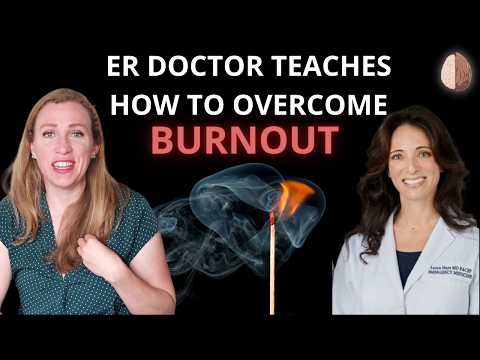
Feel like you’re running on empty? Man, that’s rough. Mental exhaustion can hit hard, right? It sneaks up on you, and suddenly, everything feels like a chore.
You know that feeling when your brain just won’t shut up? Like, your thoughts are racing, but you’re too drained to care? Yeah, I’ve been there.
Restoring balance in life isn’t just some fluffy idea. It’s real. And it’s totally doable. Let’s chat about how to recover from that mental burnout and bring back some of that good energy. Ready to dig in?
Understanding Emotional Exhaustion: How Long Will It Take to Recover?
Emotional exhaustion, wow, what a heavy feeling it can be, right? You know that drained sensation you get when life just throws too much at you? It’s like running on empty while carrying a load of bricks. Seriously, it’s no joke. So let’s break this down and see how long it might take to recover from this state.
First off, emotional exhaustion is basically when your emotional resources are completely worn out. It often comes from prolonged stress, whether at work, home, or just life in general. You might feel disconnected from everything and everyone around you. Ever had one of those days where you just want to crawl into bed and not deal with anything? Yeah, that’s a part of it.
Now about recovery—there’s no magic timeline here. Some folks bounce back in a matter of weeks, while others may take months to feel themselves again. It all depends on various factors like personal resilience, support systems, and the depth of the exhaustion itself.
Here’s where it gets interesting:
- Identify Stressors: Take a moment to think about what’s been stressing you out. Is it work pressure? Family drama? Or maybe something else entirely? Figuring this out is crucial.
- Self-Care Routines: Implementing self-care can speed things up. Simple stuff like relaxing baths or reading your favorite book can make a difference.
- Talk About It: Sharing your feelings with friends or professionals can lighten the load significantly. Sometimes just saying it out loud helps! Trust me on that.
- Rest & Recharge: Make sure you’re getting enough sleep—like real sleep! When physically tired, emotional exhaustion can feel even worse.
I remember talking to my friend Jessica after she hit rock bottom with her job stress. She was utterly drained and felt like she couldn’t keep going. We chatted for hours one weekend about everything she was feeling—just venting really—and that made her realize she wasn’t alone in this struggle.
It took her about three months before she started feeling more balanced again. She prioritized her mental health by cutting back on overtime and picking up yoga classes—who knew downward dog would help so much?
So if you’re wondering how long until you feel like yourself again after emotional exhaustion—well—it totally varies! Listen to your body and maybe even keep track of your mood day by day; little by little you’ll notice changes.
In short: recovery isn’t just a straight line; it’s more like waves with ups and downs. Being kind to yourself during this phase is super essential—even if that’s hard sometimes! Remember that healing takes time; give yourself permission to take as long as you need for that journey back to balance!
Understanding the Link Between Mental Exhaustion and Physical Health: Signs and Solutions
It’s no secret that mental exhaustion can really take a toll on your physical health. You might find yourself feeling wiped out, even if you haven’t done much physically. So, what’s going on? Well, when you’re mentally drained, it can lead to symptoms that impact your body. Things like headaches, fatigue, and even digestive issues can pop up. Seriously, it’s like your brain is saying “I’m done!” and your whole body follows suit.
You might feel irritable or anxious, too. That’s the thing about mental exhaustion—it doesn’t just stay all cozy in your brain; it spills over into every part of your life. You could be stuck in a loop of endless stress and worry, which just wears you down more. And guess what? That can also mess with your immune system. If you’re always stressed out and exhausted mentally, you might find yourself catching colds or feeling under the weather more often.
Now let’s talk about some signs of mental exhaustion that you should look out for:
- Constant Fatigue: You know that feeling when you wake up tired even after a full night’s sleep? Yup, that’s often a sign.
- Difficulty Concentrating: Tasks may suddenly feel way harder than they used to.
- Irritability: Little things might start to annoy you more than usual.
- Physical Symptoms: Headaches or stomach aches could show up without any clear reason.
- Changes in Sleep Patterns: You might either sleep too much or struggle to fall asleep at all.
So what do you do about this? First off, taking time for self-care is key! Seriously, think about things that bring you joy or help you unwind—maybe it’s reading a good book or going for a walk outside. Get those endorphins flowing! Exercise is fantastic for not just physical health but also mental clarity.
And don’t underestimate the power of saying no. If you’re overloaded with work or social commitments, it’s totally okay to take a step back and lighten your load.
Mindfulness practices like meditation or deep breathing exercises can seriously help ground you when everything feels chaotic. Ever tried just sitting quietly and focusing on your breath? It can be really refreshing.
Talking to someone always helps too—whether it’s friends or professionals like therapists who can give guidance tailored just for you. Sometimes we need someone else to help us sort through everything swirling around in our minds.
Finally, remember—you don’t have to manage everything alone! Reaching out for support is super crucial when dealing with mental exhaustion because it’s not just *in your head*; it influences how we engage with life itself.
So yeah, keeping an eye on how you’re feeling mentally is super important because ultimately that affects how we feel physically as well. Just know that taking small steps towards balance can make a world of difference—like little victories paving the way back to feeling like yourself again!
10 Clear Signs You’re Recovering from Burnout and Finding Balance Again
You know, burnout can creep up on you when you least expect it. It’s like that heavy fog that rolls in and suddenly makes everything feel gray and dull. But hey, if you’re starting to feel a bit lighter, that’s awesome! Here are some clear signs that you’re on the road to recovery and finding some balance again.
You Start Enjoying Little Things
Remember when a cup of coffee or a walk outside used to spark joy? If those little moments are making you smile again, that’s a great sign! It’s like your heart’s waking up from a long nap.
Your Energy Levels Are Picking Up
Feeling more energetic can be huge. You might notice you’re not dragging yourself out of bed anymore or maybe you’re able to tackle tasks without feeling like you just ran a marathon. Yeah!
You’re Sleeping Better
When burnout hits, sleep can feel elusive. But if you’re falling asleep easier and waking up feeling refreshed, give yourself a pat on the back. It means your body is getting back in sync!
You’re More Productive
If you’re checking off tasks on your to-do list without constantly battling procrastination, celebrate that! Feeling accomplished can really boost your mood.
You’ve Regained Your Focus
Getting distracted every five minutes? That used to be common during burnout! If you find yourself zoning in on projects or conversations without feeling scattered, it means your brain is recovering.
Your Mood Is Steadying Out
If you’ve noticed fewer mood swings—like going from «I’m fine» to «I could cry any second»—that’s something worth noticing! A steady mood indicates emotional balance is returning.
You’re Setting Boundaries
Finding it easier to say “no” when needed? That can be a game changer. Being able to protect your time and energy helps maintain that balance as you recover.
You Want Social Interaction
Hey, wanting to hang out with friends again or reconnecting with family shows you’re coming around! Isolation often goes hand-in-hand with burnout; so craving social connection is a positive shift.
You’re Trying New Things
Feeling adventurous enough to pick up new hobbies or activities? That’s exciting! It shows your brain is eager for stimulation rather than just surviving day-to-day.
You Have More Patience
If you’re not snapping at every little thing and can handle life’s annoyances with grace—wow! Increased patience means mental space is growing again rather than feeling overwhelmed by everything.
So there it is—you’ve got some solid indicators of recovery from burnout. Keep listening to yourself; remember this journey takes time. It’s all about progress, not perfection. You’ve got this!
Life can feel like an endless cycle of stress sometimes, right? You’re juggling work, family, and all those tiny annoyances that chip away at your energy. I remember this one time when I was just so worn out. It was like I’d been running on fumes for weeks. I was irritable and constantly anxious, even snapping at my friends over the most trivial things. It’s tough when you reach that point where everything feels heavy.
Restoring balance after mental exhaustion isn’t just about taking a day off or binge-watching your favorite show—although that can help! It’s more about tuning in to what your mind and body need. Everyone’s different, so it might look a bit different for you than it does for me. Some people find solace in nature; others recharge with friends or quiet time alone.
You know what helped me? Setting boundaries was a game changer. I started saying “no” to extra commitments instead of piling more on my plate. It felt weird at first, but boy did it free up some space in my brain! And let me tell you, practicing mindfulness helped too. Just a few minutes a day of focused breathing can do wonders.
Look, if you’re feeling drained, know that it’s okay to admit it. It’s not a weakness; it’s just part of being human. Taking little steps towards self-care—whether it’s going for a walk, journaling your thoughts, or even talking to someone about how you’re feeling—can really shift the tide in your favor.
Restoring balance isn’t an overnight fix; it’s more like slowly piecing together a puzzle again after you’ve knocked it all over by accident. You’ve got to give yourself some grace during this journey back to feeling like yourself again. Remember, every little effort counts!