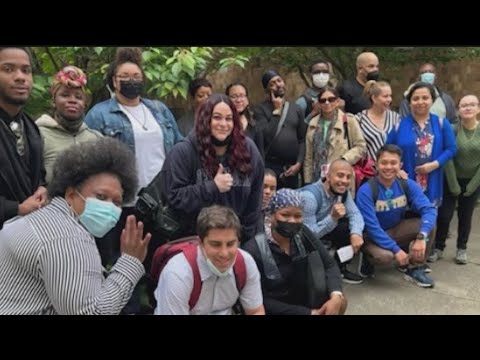
So, let’s chat about something really cool: Recovery Support Specialists in mental health. You might be wondering, what’s that all about? Well, they’re like guides or buddies for folks navigating tough times.
Imagine someone who gets it—who’s been there and can help you chart your own path to healing. Sounds pretty awesome, right? But here’s the thing: they need training to be the best support possible.
This training isn’t just a checklist of dos and don’ts. It’s all about understanding real human experiences. You know how life can throw curveballs? These specialists learn the ropes so they can catch those curveballs and help others hit them out of the park.
Let’s dive into what makes this training super important!
Step-by-Step Guide to Becoming a Certified Recovery Support Specialist
Becoming a Certified Recovery Support Specialist is a meaningful journey. It’s about helping others navigate their path to recovery in mental health. If you’re interested, here’s how to go about it, step by step.
First off, you gotta check the requirements. Each state might have different criteria, but generally speaking, you’ll want at least a high school diploma or GED. Some places might even look for further education, like an associate degree or relevant coursework.
Once you’re up to date on the basics, you’ll need some training. Many organizations offer programs specifically designed for recovery support specialists. These programs typically cover things like mental health concepts, communication skills, and how to build supportive relationships with those in recovery.
Now comes the practical part—internships or volunteer work can be super helpful. This gives you hands-on experience in real-world settings and lets you apply what you’ve learned. Plus, you gain insight into the various challenges people face on their recovery journeys.
Next up is passing an exam. Yup! Most states require certification exams to ensure that you’ve got the knowledge and skills needed for this role. The exams usually test your understanding of recovery principles and your ability to support individuals effectively.
After that, you’ll apply for your certification. Make sure your application includes proof of your training and any supervised hours you’ve completed. It’s usually a pretty straightforward process but may take some time.
Don’t forget about continuing education! Keeping your certification means staying updated with current practices in mental health support—this could mean attending workshops or further training sessions over time.
Lastly, let’s not overlook the personal aspect of this role. Being a Recovery Support Specialist isn’t just about techniques; it’s also about empathy and connection. You need to genuinely care about helping others find their way through tough times.
So there you go! Each step along the way builds on the last one–kind of like putting together a puzzle that ultimately creates something beautiful: a supportive environment for those in recovery.
Essential Skills for Aspiring Recovery Specialists: A Comprehensive Guide
Being a recovery specialist in mental health is about more than just having the right knowledge—it’s about connecting with people, understanding their journeys, and helping them find their way back to a fulfilling life. So let’s break down some essential skills that aspiring recovery specialists should focus on.
1. Active Listening
This is a biggie! Active listening isn’t just about hearing what someone says, it’s really diving deep into understanding their feelings and experiences. When someone shares their struggles, like feeling overwhelmed or lost after a tough day, you need to truly listen—not just wait for your turn to talk. Show empathy and validate their feelings. It makes all the difference.
2. Empathy and Compassion
You have to put yourself in someone else’s shoes, right? Empathy means feeling what another person feels, or at least trying to grasp where they’re coming from. Let’s say you’re working with someone who has faced stigma because of their mental illness—being compassionate about that can create a safe space for them to open up.
3. Communication Skills
Clear communication is key! This means being straightforward but also sensitive when discussing recovery goals or challenging topics like medication adjustments. Ever tried explaining something complicated with simple words? That’s what it takes! Avoiding jargon keeps things relatable—people appreciate clarity.
4. Knowledge of Mental Health Conditions
While you don’t need to be a walking encyclopedia, having a solid understanding of various mental health conditions is crucial. You should know how depression feels differently than anxiety or how trauma can affect someone long-term. This knowledge allows you to tailor your support effectively.
5. Problem-Solving Skills
Life throws curveballs; it’s inevitable! A good recovery specialist helps clients navigate these challenges creatively—not by giving solutions but by guiding them on figuring things out themselves. For instance, if someone struggles with time management because of ADHD, brainstorming practical strategies together can empower them.
6. Advocacy Skills
Sometimes people need help voicing their needs, especially in healthcare settings or when dealing with family issues. You want to be that supportive ally who stands up for their rights and helps ensure they receive the care they deserve—like understanding insurance benefits for therapy sessions.
7. Boundary Setting
It might sound counterintuitive but setting boundaries is essential for both you and your clients! Healthy boundaries prevent burnout and promote respect within the professional relationship—you’ve got your life too! If a client calls at odd hours expecting immediate support, gently reminding them of your availability can maintain balance.
8. Cultural Competency
Understanding diverse backgrounds will enhance your ability to connect with individuals from various cultures or communities. Being aware of how cultural values impact someone’s view on mental health can change everything in terms of building rapport—considering cultural sensitivities matters!
In all honesty: these skills take time to develop! Just remember that each interaction is an opportunity for growth—for both you and the person you’re supporting—and it’ll be worthwhile in the long run as you help others on their path toward recovery.
Understanding Recovery Specialist Training: A Comprehensive Guide to Mental Health Support
Understanding Recovery Specialist Training can be a game-changer in the mental health support landscape. These specialists play a vital role in helping individuals navigate their paths to recovery. So, what’s this training all about? Let’s break it down.
First off, what is a Recovery Specialist? Essentially, these folks have lived experience with mental health challenges. They get it on a personal level and use that understanding to guide others. It’s not just about empathy; it’s about practical skills and knowledge too.
Now, let’s talk about the training itself. Recovery Specialist Training typically covers several key areas:
- Understanding Mental Health Conditions: You’ll learn about various disorders—like depression and anxiety—and how they affect people.
- Communication Skills: This is huge! You need to connect with clients, so you’ll focus on listening actively and speaking compassionately.
- Recovery-Oriented Practices: You’ll study different approaches that promote wellness and recovery. It’s not just about managing symptoms; it’s about thriving.
- Crisis Intervention: Life can throw curveballs. Being prepared for crises is crucial, so you’ll cover strategies to help during tough times.
- Cultural Competence: Understanding different backgrounds matters. You’ll explore how culture impacts mental health experiences and treatment effectiveness.
Training often includes hands-on experience too. This could mean internships or supervised work where you put what you’ve learned into practice with real clients.
You might wonder why this training is essential. Well, consider Sarah’s story. Sarah struggled with anxiety for years but felt lost in the system until she met a Recovery Specialist who truly understood her journey. This specialist guided her through practical steps—helping her set up routines, encouraging self-care activities, and simply being there when things got tough. That connection made all the difference for Sarah.
Another important aspect of this training is self-care for specialists. Yep! Taking care of yourself is key when helping others navigate their own challenges.
In summary, Recovery Specialist Training equips individuals with the tools they need to support those on their recovery journey effectively. Between understanding mental health conditions, honing communication skills, and practicing self-care techniques, these specialists become invaluable allies in someone else’s path toward wellness—even if it gets bumpy along the way!
You know, when we talk about recovery support specialists in mental health, it’s pretty mind-blowing to think about what that really means. These folks play such a vital role in supporting individuals on their journey to wellness. It’s like having a cheerleader who gets it, who’s been through their own struggles and is now ready to lend a helping hand.
I remember chatting with this friend of mine who went through some tough times with anxiety. She mentioned how much it helped to connect with someone who had similar experiences. The recovery support specialist didn’t just offer advice; they shared real-life stories and practical tips that actually resonated with her. It wasn’t some textbook stuff; it was relatable, you know? That kind of connection can make a world of difference.
But here’s the thing: training for these specialists is super crucial. It’s not just about knowing the symptoms or the latest research—although that stuff matters too. They need to learn how to connect on a human level, how to listen without judgment, and genuinely understand where someone’s coming from. Empathy is key!
And think about how diverse mental health experiences are! Each person brings their own story, and specialists need to be equipped for that variety—cultures, backgrounds, ways of coping. So yeah, training should definitely include cultural competence and ongoing workshops or peer supervision so they can stay adaptable and aware.
It just feels like this field is evolving all the time, right? With new approaches popping up and different methods proving effective. Recovery doesn’t look the same for everyone, either—it’s messy and winding sometimes! So giving these specialists the tools they need means we’re ultimately creating a more supportive environment for those seeking help.
In a way, by investing in proper training for recovery support specialists, we’re investing in our communities’ well-being overall. So when you see someone stepping into that role or maybe you’re considering it yourself—know that it holds so much potential for change! There’s something powerful about being able to navigate recovery together; it creates hope and resilience in ways we often take for granted.