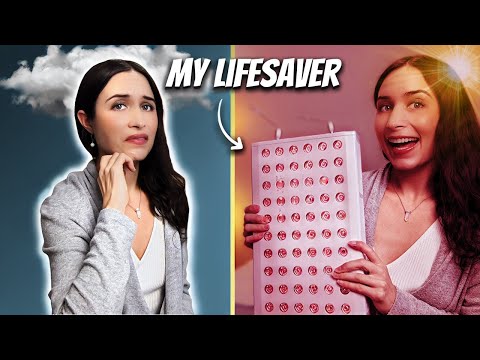
You know those gloomy winter days? They can really do a number on your mood. Seriously, it’s like the sun just decides to take a long vacation, and we’re left with the gray skies and chilly air.
A lot of folks get hit hard by this. That heavy feeling, low energy, and just a general sense of blah can sneak up when you least expect it. It’s called Seasonal Affective Disorder, or SAD—apt name, right?
But here’s where things get interesting. There’s this thing called red light therapy that people are chatting about lately. Some claim it might help lift that heaviness during those dark months. So, let’s break it down together and see what the buzz is all about!
Choosing the Right Light for Seasonal Affective Disorder: A Guide to Brightening Your Mood
Seasonal Affective Disorder, or SAD, can really weigh you down when the days get shorter and the sun disappears. It’s like your mood is on a rollercoaster that only goes down. But one interesting way to help lift your spirits is by using light therapy, particularly **red light therapy**. So let’s break it down a bit.
First off, what’s the deal with light therapy anyway? Basically, it’s a treatment that exposes you to artificial light. The idea is to mimic sunlight to help regulate your body’s internal clock and improve your mood. You know how some people just seem happier when they’re soaking up sun? Yeah, there’s actually some science behind that!
When we talk about **red light therapy**, things get even cooler. This type of light operates at a specific wavelength that can help with cellular energy production. You might be thinking, “Wait, what does that even mean?” Well, think of red light like giving your cells a little pep talk! It helps them energize and can boost your overall mood.
Now let’s discuss how to choose the right type of light for treating SAD:
- Brightness: Look for lights with at least 10,000 lux of brightness. That’s like shining the sun in your face—too bright? Nah, you need that intensity.
- Wavelength: Red light usually falls into two categories: near-infrared and visible red. Both can work wonders but visible red often gets more attention because it’s what we see and feel!
- Duration: Consistency is key! Aim for around 20-30 minutes each day at about 12 inches from your face. Think of it like sipping on coffee—just enough time to wake you up emotionally!
- Time of Day: Morning sessions are generally most effective because they can help set your internal clock right from the start.
Now picture this: A friend of mine struggled with SAD during winter months—the clouds hung over her like an endless gray blanket. Last December she decided to give **red light therapy** a try. After just a couple weeks of daily sessions each morning while she sipped her coffee, she noticed she felt way brighter inside! Not as cranky or mopey—just lighter overall.
But remember to chat with your healthcare provider before jumping into any new treatment plan; sometimes finding what works best is half the battle.
To sum it up: Choosing the right kind of light can seriously brighten up those darker seasons in life.Making informed choices about brightness levels and sticking to a routine matters big time! And who knows? This winter could be much more bearable with just a little extra glow in your life.
Transform Your Mood: Harnessing Red Light Therapy to Alleviate Depression
Red light therapy, yeah, it’s been getting some buzz lately, especially when it comes to transforming moods and tackling things like depression. Imagine sitting under a warm light that helps lift your spirits—sounds nice, right? But how does this whole thing work?
Basically, red light therapy (RLT) uses wavelengths of light—usually between 600 to 1,000 nanometers—to penetrate the skin and influence cellular function. This isn’t just about getting a tan or looking good; the idea is that this specific kind of light can boost energy production in your cells. So, what happens is your body can potentially feel more energized and balanced.
Now let’s talk about how this connects to seasonal affective disorder (SAD). If you’ve ever felt that winter slump where everything feels gray and heavy, you’re not alone. Many people find their mood drops during those darker months due to less sunlight exposure. RLT might step in here as a brighter option.
When you’re exposed to red light, it can help regulate melatonin and serotonin levels. Melatonin is all about sleep, while serotonin plays a big role in mood regulation. So basically, increasing those good vibes could help ease symptoms of depression linked with seasonal changes.
Here are a few key points about red light therapy for mood enhancement:
- Natural Alternative: For some folks who aren’t keen on medication or traditional therapies, RLT offers a non-invasive option.
- Consistency Matters: Like exercise or healthy eating, the effects often build up over time. You might not feel a change right away.
- Daily Sessions: To really harness its potential benefits for mood improvement, regular sessions may be needed—think about 10 to 20 minutes a day.
- No Side Effects: Compared to medications or some other treatments for depression, RLT generally has fewer side effects reported.
Imagine Sarah—a friend who struggles with winter blues every year. She decided to give red light therapy a shot after hearing about it from her therapist. At first, she was skeptical but committed to daily sessions for several weeks. Slowly but surely, Sarah noticed she was less irritable and even had more energy during the day! It wasn’t just magic; it was her body responding positively.
So the bottom line? Red light therapy could be worth exploring if you’re dealing with SAD or feeling down during those gloomy months. Just remember—it’s not a one-size-fits-all solution; chatting with someone trained in mental health before trying new methods is always smart! And who knows? That warm glow might just become your new best friend come wintertime!
Discover the Benefits of Red Light Therapy for Alleviating Depression and Anxiety
Red light therapy, or RLT, has been getting some buzz lately, especially when it comes to tackling mood issues like depression and anxiety. So what’s the deal with this therapy? Let’s break it down a bit.
How Does Red Light Therapy Work?
Basically, red light therapy uses low-wavelength light to help your body at a cellular level. When you’re exposed to this kind of light, your cells can get a little boost in energy. It’s thought to enhance something called ATP production—think of it like fueling your car. More energy for your cells means they can work better and heal faster.
Seasonal Affective Disorder (SAD)
A lot of folks struggle with symptoms of depression during those gloomy winter months. Seasonal Affective Disorder is one form where the lack of sunlight can mess with your body’s natural rhythms. You know how you feel extra tired or moody when it’s dark outside? Well, red light therapy offers a way to mimic some of that good ol’ sunshine.
Benefits for Depression and Anxiety
When people have tried RLT for mood issues, many have reported feeling more balanced emotionally. Here are some benefits that have been highlighted:
- Improved Mood. Many users say they feel happier after sessions.
- Less Fatigue. People often notice they’re not as worn out after just a few treatments.
- Anxiety Reduction. Some find that their nerves settle down more easily when using RLT regularly.
But it’s not all sunshine and rainbows! Just remember—it isn’t a magic cure-all for everyone. Also, individual experiences can vary quite a bit.
Anecdote Time!
So there was this friend of mine who always seemed down during winter months—you know the type, right? Anyway, she started using red light therapy at home. I remember her telling me about her first few sessions; she said she felt energized afterward and even started doing things she’d usually put off in the colder weather. It was like watching someone come back to life!
The Science Behind It
While there’s still research being done here, studies suggest that this therapy could influence neurotransmitters like serotonin—the happy chemical in your brain. By possibly enhancing its levels through RLT exposure, folks might experience less anxiety and better moods overall.
To wrap things up: while red light therapy isn’t going to fix everything under the sun (pun intended), it shows promise as a tool for managing symptoms related to depression and anxiety—especially if you’re grappling with seasonal blues. Always consult with healthcare professionals about what might work best for you because mental health is complex and personal! So keep shining bright!
You know that feeling when winter rolls around, and it feels like the sun just decided to ghost you? Seriously, it can get pretty rough. That’s where Seasonal Affective Disorder, or SAD for short, comes into play. People often feel sluggish, sad, and kinda unmotivated when daylight gets short and the cold settles in. It’s more than just the winter blues; it can really affect how you go about your daily life.
Now, enter red light therapy. At first glance, you might think it’s just another flashy trend. But here’s the thing: there’s some serious science backing it up. Basically, it involves using low wavelengths of light to stimulate your skin and body in a way that could potentially lift your mood. A friend of mine tried this out last winter. She was feeling super down, struggling to get out of bed on those dreary mornings. So she decided to give red light therapy a shot.
At first, she was skeptical – who wouldn’t be? Sitting in front of a light? It sounded a bit odd! But after a few sessions, she noticed something interesting: her energy levels started to rise. It wasn’t an overnight miracle or anything; it took time. But gradually she felt more awake and even started enjoying her days again.
What happens with this type of therapy is that it might help regulate melatonin production (that’s the sleep hormone), while also boosting serotonin levels (the happy chemical). So basically, you’re working towards getting out of that funk by giving your body a little assistance with light! Who knew?
But keep in mind this isn’t like popping a pill and feeling great instantly. Red light therapy is often used in conjunction with other treatments like talking therapy or medication for those dealing with SAD; it’s kind of like adding another tool to your toolbox for mental wellness.
It’s important to chat with a healthcare pro before jumping into anything new like this—everyone’s different after all! You want to make sure you’re choosing what works best for your own situation. So if you’re feeling stuck in the dark this winter season, maybe exploring options like red light therapy could be worth considering? You never know what might help brighten things up!