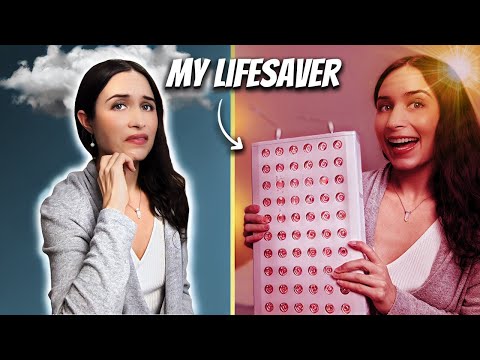
So, let’s talk about that funky time of year when the days get shorter and your mood takes a nosedive. You know what I mean? Seasonal Affective Disorder, or SAD for short, can really knock the wind out of your sails.
It’s like, one minute you’re vibing in the summer sun, and next, you’re stuck in a gloomy rut. Seriously! But guess what? There might be a little glimmer of hope with something called red light therapy. Sounds sci-fi, right?
Anyway, this therapy could actually help lighten that seasonal cloud hanging over your head. Curious? I thought you might be! Let’s dive into how red light therapy might just bring some brightness back into those dreary winter days.
Unlocking the Benefits of Red Light Therapy for Depression: A Comprehensive Guide
Red light therapy, you say? Sounds a bit sci-fi, right? But it’s actually becoming a popular option for tackling depression, especially the type that sneaks up on you in those dreary winter months—yup, I’m talking about Seasonal Affective Disorder (SAD).
You know how sometimes when the sun’s hiding behind clouds for weeks, your mood can dip like a heavy anchor? SAD can really suck the joy out of life. It’s like being stuck in a gray fog. But here’s where red light therapy comes in as a potential ray of hope.
What is Red Light Therapy?
Basically, this therapy involves exposure to low wavelengths of red light. Some people use special lamps designed just for this purpose. The idea is that this light can penetrate your skin and stimulate cellular processes. It’s believed that it may boost the production of serotonin—kind of your brain’s happy juice—and help regulate your sleep cycle.
How Does it Work for Depression?
So, you might be wondering: how can mere light make me feel better? Research suggests that red light therapy might help improve mood by influencing certain areas in our brain linked to depression. For folks with SAD, using this therapy during those dark winter days could potentially signal to your body that it’s time to perk up.
Benefits You Might Experience:
- Boosted Mood: Many people report feeling lighter and happier after sessions.
- Increased Energy Levels: Say goodbye to sluggish feelings; you might just feel more alive.
- Better Sleep Quality: With consistent use, some experience more restful nights.
But remember: while red light therapy can be beneficial, it shouldn’t replace professional treatment if you’re seriously struggling with depression. It’s more like an added tool in your mental health toolkit.
Anecdote Time:
I once knew someone who felt trapped in their own home every winter because they couldn’t shake off that heavy blanket of sadness. They decided to try red light therapy after hearing about its benefits from a friend. At first, they were skeptical—who wouldn’t be?—but after only a few weeks of regular sessions combined with their usual routine (like counseling), they started waking up with more energy and even found joy in everyday things again.
While not everyone reacts the same way, hearing stories like this is encouraging. This approach isn’t going to work miracles overnight but could be part of a broader strategy to manage seasonal depression.
A Final Note:
It’s crucial to chat with a healthcare provider before starting any new treatment plan. They can help you evaluate if red light therapy fits into your unique situation. Overall, while lights shouldn’t replace traditional treatments completely, they might just shine some brightness into those darker days!
Exploring Light Therapy: Effective Research Insights for Treating Seasonal Affective Disorder
Light therapy is one of those interesting things that can really help people dealing with Seasonal Affective Disorder (SAD). You know, that mood-related condition where folks feel down during certain times of the year—usually fall and winter—when sunlight is at a premium. The lack of natural light can mess with your body’s internal clock and serotonin levels, which are key players in regulating mood.
So, basically, light therapy mimics natural sunlight. The idea is to expose yourself to bright light for a specific amount of time each day. It kind of tricks your brain into thinking it’s getting more sunlight than it actually is. But here’s the kicker: it’s not just any light that works. Researchers have found that especially blue and white lights tend to be the most effective.
Now, red light therapy has been popping up on people’s radars lately. It’s different from traditional light therapy because it uses low-wavelength red light rather than bright white or blue light. And while there’s still a lot that needs to be figured out, some early studies suggest it might just have some potential in alleviating SAD symptoms too.
Here are a few key points about red light therapy and SAD:
It’s important to mention that using any kind of light therapy should ideally be guided by a professional, like a therapist or doctor who knows about these methods. You don’t wanna jump in without understanding how best to incorporate it into your routine or if it suits you personally.
Picture this: you wake up during those dark winter mornings and instead of feeling heavy-lidded and gloomy, you sit in front of your red light device for 15 minutes while sipping coffee. It sounds cozy, right? For some folks who struggle with SAD, this could become a comforting morning ritual that helps brighten their spirits—literally!
Top Light Therapy Solutions for Seasonal Affective Disorder: Brighten Your Mood Naturally
Seasonal Affective Disorder, or SAD, can be a drag. When winter rolls around, and the days get shorter, many people notice their moods dipping. It’s like the sunlight just up and disappeared, right? That’s where light therapy comes in. One of the popular methods is red light therapy. So let’s unpack how it all works.
What is Light Therapy?
Basically, light therapy involves sitting in front of a specially designed light box that mimics natural sunlight. This helps trigger chemical changes in your brain that can lift your mood and ease symptoms of depression. The idea is to expose yourself to this bright light for about 20-30 minutes each day, typically in the morning.
Now, here comes red light therapy into the scene. Unlike regular bright white lights that most people think about with SAD treatment, red light therapy uses specific wavelengths of red and near-infrared light. This type of lighting penetrates deeper into your skin than regular lights and might have some cool benefits for mental health.
How Does Red Light Therapy Help?
The thing is, there’s research suggesting that red light can influence melatonin levels—yep, that hormone responsible for sleep regulation—and even boost serotonin production, which plays a huge part in mood regulation. Imagine waking up feeling more energetic and less like a grumpy bear just crawled out of hibernation!
You might be wondering how exactly you’d use it at home or what options are available. Here are some ways to look into:
- Light Panels: These big panels give off red or near-infrared lights that cover a wide area. You can sit in front of one while having your morning coffee.
- Handheld Devices: If you’re not ready to commit to a full panel, handheld units allow for targeted treatment on specific areas like your face.
- Nasal Lights: Sounds odd but these devices are designed for internal use and may enhance mental clarity along with mood lifting.
- Sunglasses: Some companies have developed glasses that filter out certain wavelengths while exposing you to others—this can potentially maximize the benefits while minimizing strain on your eyes.
Real talk: some people swear by these methods; they’ve reported feeling more focused and upbeat during those dreary months when SAD usually hits hard.
But remember to approach this with care! Always check with a professional before starting any new treatment—what works for one person might not work for another; it’s all about what fits you best.
Finally, if you decide to give red light therapy a shot—or any kind of light therapy—don’t expect miracles overnight. It takes time for these changes to kick in. So be patient with yourself; just think of it as adding another piece to your coping toolkit against those winter blues.
So there you have it! If you’re dealing with SAD or know someone who is struggling with their mood during colder months, maybe exploring red light therapy could brighten things up!
You know, sometimes the winter months can really drag you down. The gloomy weather, shorter days, and lack of sunlight—yeah, it can hit hard. A friend of mine once told me that every year around this time, she just felt like a fog settled over her brain. It wasn’t depression in the way you might think, but more like a churning heaviness that made everything feel just a bit too much. That’s what Seasonal Affective Disorder (SAD) can feel like for people.
So, here’s where red light therapy comes in. It’s fascinating how something so simple can have potential benefits, right? Basically, this therapy uses specific wavelengths of light to penetrate the skin and may help boost mood and energy levels. I mean, who wouldn’t want that during those dreary winter days?
What seems to be happening is that red light therapy can stimulate the production of serotonin—a neurotransmitter that’s all about mood regulation. More serotonin? That’s a win! It’s kind of like giving your brain a gentle nudge towards happiness when the sun isn’t shining.
I remember another story about someone who’d been struggling for years with SAD. They decided to give red light therapy a shot after hearing about it from friends. At first, they were skeptical but figured they had nothing to lose—after all, it wasn’t as intense as some other treatments out there. To their surprise, they felt more energized and less gloomy during those long winter months after just a few sessions.
But hey—everyone is different! What works wonders for one person might not do much for another. Still, giving people options is key when dealing with something as tough as SAD. It’s important to combine these approaches with things like getting outside whenever possible (even if it’s cloudy), eating well, and staying active—not to sound preachy or anything!
In any case, if you or someone you know deals with seasonal blues, maybe exploring something like red light therapy could be worth checking out? You know yourself better than anyone else does! It’s always good to keep an open mind and find what helps lift you up during those cold months ahead.