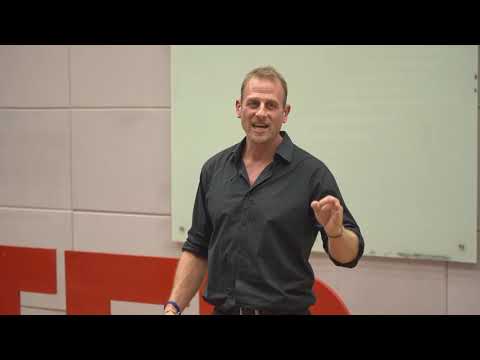
So, let’s talk about something that affects so many of us—the way we think about mental health. Seriously, it’s like there’s this huge elephant in the room that no one wants to address.
You ever notice how people can be super open about physical health issues but when it comes to mental health? Crickets. It’s frustrating, right? Stigma hangs around like a bad smell, making people hesitate to get help or even talk about what they’re feeling.
I mean, come on, we all have our struggles. Whether it’s anxiety creeping in when you least expect it or feeling down for no reason at all—it’s part of being human. So why do we act like it’s something to hide?
Facing this stigma could change lives. Imagine a world where everyone felt free to share their story without fear of judgment. That sounds pretty cool, huh? We could create a healthier society together if we just start being real about mental health!
Breaking Barriers: The Importance of Challenging Mental Health Stigma for a Healthier Society
Mental health stigma is like this big, heavy fog that hangs over society. It makes it harder for people to talk about what they’re feeling, and worse, it can keep them from getting the help they really need. When people think of mental health issues, they often imagine all sorts of things—some might think those struggling are weak or just need to «snap out of it.» But that’s far from the truth.
Challenging this stigma is vital—like, seriously vital—for a healthier society. Here’s why:
- Encouraging Open Conversations: When we challenge stigma, we create space for honest discussions. Imagine a friend feeling anxious but too scared to share because they fear judgment. If stigma isn’t there, they might feel safer opening up.
- Promoting Access to Care: Stigma can drive people away from seeking help. They might avoid therapy or even telling their loved ones they need support. When we normalize mental health issues, we pave the way for better access to resources and care.
- Building Community Support: Communities that openly discuss mental health are generally more connected. For instance, when someone shares their struggles with depression at a community event, others may resonate with those feelings and offer support or share their own experiences.
- Reducing Discrimination: Stigmas often lead to discrimination in workplaces and schools. People may not hire someone because of misconceptions surrounding mental health conditions. By challenging these views, we help foster environments where everyone has equal opportunities.
- Empowering Individuals: When you break down stigma, you also empower individuals. Think about how powerful it feels when someone is genuinely supported for what they’re going through! This encouragement can inspire them to take steps toward healing and growth.
Let’s face it—a lot of the time, people don’t get how serious mental health conditions can be. I remember a friend once told me about how he struggled with anxiety during exams in school. He felt like if he talked about it, his friends would think he was just being dramatic. The reality? He needed support but thought he had to suffer alone.
To really tackle this issue in our society, education is key! Schools should teach kids early on about mental health—what it is and how normal it is to have ups and downs in life. Plus, media representation matters too; when shows portray characters dealing with mental illness realistically instead of stereotypically, it helps change hearts and minds.
Breaking down these barriers isn’t just about one-on-one conversations; it’s also about policy changes that prioritize mental health resources in workplaces and communities alike. By advocating for better coverage for therapy or counseling services through insurance plans—okay, yes please!—we put action behind our words.
In short? Challenging mental health stigma is all about lifting each other up so everyone knows they’re not alone in their struggles. You never know who might be waiting for permission to talk about their feelings—and that could honestly change someone’s life.
Understanding the Impact of Mental Health Stigma on Society: Breaking Barriers for Better Mental Wellness
Mental health stigma is a heavy topic. It’s something that can hang over individuals and the community like a dark cloud. When you think about it, it impacts people in ways that can be pretty profound. So, what does stigma even mean in this context? Basically, it’s the negative attitudes and beliefs that society holds about mental health conditions. These misconceptions can lead to discrimination, isolation, and even deter people from seeking help.
Think about someone you know who might be struggling with anxiety or depression. They might feel ashamed or embarrassed to talk about their feelings because they fear being judged or misunderstood. It’s really disheartening when you realize that many people avoid reaching out for support due to this fear.
Breaking down these barriers is crucial, not just for individuals but for society as a whole. When we challenge stigma, we create an environment where people feel safe to share their experiences without shame. This openness can lead to better understanding among friends, families, and workplaces.
- Education matters: The more we talk openly about mental health, the less scary it becomes.
- Visibility of real stories: Hearing personal experiences can humanize mental health issues.
- Supportive communities: Activating local organizations that promote understanding can change the narrative.
I once knew someone who had been diagnosed with bipolar disorder. They faced so much ignorance from peers at work; folks would laugh off their condition or use it as a punchline in conversations. It was painful to watch them struggle silently through the day because they felt like they had no one to turn to. But after they opened up at a lunch gathering, some coworkers began sharing their own struggles with anxiety or stress. Slowly but surely, this shared vulnerability created a new culture of support.
Another key point here is how stigma affects access to care. Many people avoid seeing professionals simply because they’re afraid of what others might say or think if they knew they were seeking therapy or medication. This creates this vicious cycle where untreated mental health issues only get worse over time.
We also have to remember the role of language in all this—it shapes perceptions tremendously! Phrases like «crazy,» «insane,» or even «mental» used casually can contribute to stigmatizing attitudes without us even realizing it. So being mindful of our language matters just as much as spreading awareness.
In short, tackling mental health stigma isn’t just an “add-on” thing; it’s fundamental for building healthier communities where everyone feels valued and understood. When we break these barriers down together, we pave the way for better mental wellness—not just on an individual level but across society too!
Understanding Stigma: Real-Life Examples of Challenging Mental Health Misconceptions
Stigma around mental health? It’s a heavy topic, but tackling it can really change lives. You know, stigma isn’t just a word—it shapes how people see themselves and how others treat them. It’s like wearing invisible chains that sometimes you don’t even notice until you try to break free.
Take Sarah’s story, for example. She struggled with depression after losing her job. Instead of getting support, she faced whispers behind her back—“She’s just being dramatic.” Ouch, right? It’s frustrating because those comments blow up the situation, making her feel even more isolated. The thing is, depression is a real condition that affects how you think and feel, but misconceptions make it seem like it’s not serious.
Another classic example is anxiety disorders. People often say stuff like “just chill” or “get over it.” Really? Like telling someone with asthma to breathe normally! Anxiety isn’t about being weak; it’s like battling a monster in your mind that can pop up at any moment.
Now, let’s talk about schizophrenia. This one comes with some of the worst stigma out there. A lot of folks think people with schizophrenia are violent or dangerous—totally not true! Most struggle just to get through their day and aren’t out there causing trouble. A friend of mine works in mental health and shared that many patients just want stability and support, not fear or judgment.
So why does all this matter? Stigma prevents people from seeking help. You might think no one will understand or care about what you’re going through; those feelings can be paralyzing. But here’s the kicker: when people speak out about their experiences—like talking openly about therapy or sharing struggles—it chips away at those misconceptions.
- Education is key! Teaching people what mental health really means can break down barriers.
- Representation matters; seeing diverse stories in media helps normalize these conversations.
- Support systems are crucial—friends who listen without judgment can make a huge difference.
Let’s not forget social media either—it can be a double-edged sword sometimes. Sure, you’ll find misinformation floating around like confetti at a party, but there are also tons of advocates sharing real stories that help reshape perceptions.
So yeah, every little bit helps in challenging this stigma. When we share our stories and advocate for greater awareness together, we create an environment where everyone feels safe seeking help without fear of being judged or misunderstood. It takes time and effort but imagine what could happen if everyone felt they could speak freely about their mental health without the weight of stigma holding them back!
You know, mental health stigma is like this heavy backpack we all lug around. It weighs us down, keeps us from really talking about what we’re feeling, and makes it harder for people to get the help they need. When I think about it, I can’t help but remember my friend Alex. He was always the life of the party, cracking jokes and making everyone laugh. But behind that smile, he was struggling with anxiety. It took him ages to open up about it because he was terrified of what others might think.
Stigma affects so many aspects of our lives. When people hear «mental health,» they often think of something scary or «not normal.» This makes folks hesitate to seek help or even share their experiences. Imagine needing a lifeline but feeling like you can’t reach out because you’re worried about how others perceive you. It’s just not fair.
Challenging this stigma is so crucial for creating a healthier society. We need to realize that mental health issues are just as valid as physical ones—like having a cold or a broken arm doesn’t make you less capable, right? Starting honest conversations can really break down barriers. If we all shared our stories more openly, like Alex eventually did, we’d create this ripple effect that normalizes these experiences instead of pushing them into the shadows.
Education plays a massive role here too. When people understand that mental health challenges can happen to anyone—your neighbor, your coworker, even yourself—it shifts the narrative completely. It’s like turning on a light in a dark room; suddenly things don’t seem so scary anymore.
So how do we tackle this? It starts with empathy and understanding. Being willing to listen without judgment can make such a difference for someone who’s struggling. And let’s not forget about representation in media and art! Seeing characters with mental health struggles portrayed with depth and honesty helps chip away at those stereotypes.
In short, if we challenge mental health stigma together, we’re paving the way for more compassion and support in our communities. It’s not an easy road ahead—but one step at a time can lead us toward real change and healing for everyone involved.