You know that feeling when your mind just won’t shut up? Yeah, I’ve been there too. It’s like a hamster on a wheel, running nonstop.
So, what if I told you there’s a way to hit the brakes? Seriously.
Regulating your nervous system can bring some real peace to that chaotic headspace. You might be thinking, “How do I even start?” Well, it’s not as complicated as it seems.
Picture this: a quiet moment in your day when everything just feels right. Sounds nice, right?
Let’s explore some ways to calm that storm and find your center again.
Effective Strategies to Calm and Regulate Your Nervous System for Better Mental Health
When life gets a bit too chaotic, calming your nervous system can feel like a mountain to climb. But hey, it’s not as scary as it sounds! You just need some effective strategies to bring yourself back to that tranquil place. Here’s how you can do it.
Breathing Exercises are kind of the unsung heroes here. Seriously, deep breathing can help you out in tough moments. Try this: breathe in for a count of four, hold for four, and breathe out for six. It’s like giving your body a gentle hug from the inside.
Grounding Techniques are also super helpful. They help you connect with the present moment and can be done anywhere. One easy way is the 5-4-3-2-1 method:
- Identify 5 things you see around you.
- 4 things you can touch.
- 3 things you hear.
- 2 things you smell.
- 1 thing you taste.
You know that feeling when you’re overwhelmed and your mind feels like it’s racing? Grounding helps pull you back into reality.
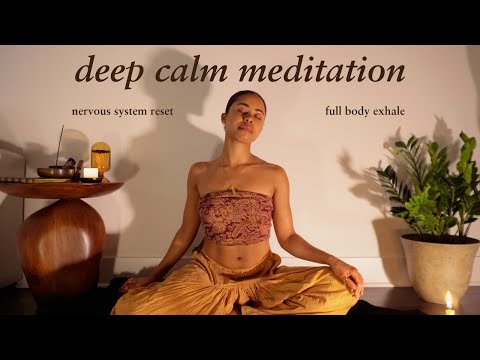
Meditation, even if it seems intimidating, doesn’t have to be all about sitting cross-legged in silence for hours. Just find a cozy spot and focus on your breath or listen to a guided session for just a few minutes. It can really work wonders in calming those nerves.
Then there’s physical movement. Movement isn’t just about hitting the gym; even going for a walk counts! Stretching or dancing around your living room can shake off some of that anxious energy hanging over you.
Also, don’t forget about nature therapy. Spending time outside—whether it’s at a park or just in your backyard—can seriously help soothe your mood and calm that nervous system down. It’s like nature has its own magic wand!
Next up is safety signals. This means surrounding yourself with people or activities that make you feel safe and secure. Maybe it’s calling up a friend who always knows how to lighten your day or curling up with that favorite book of yours.
And don’t underestimate sufficient sleep. It’s amazing how lack of rest messes with our minds and emotions. Try establishing a bedtime routine—keeping screens away an hour before sleep really helps ease your mind.
Lastly, doodling or journaling? Seriously underrated! Writing down your thoughts or sketching can be such an outlet for those swirling feelings inside you. It’s like taking the storm that’s brewing in your head and letting it flow onto paper instead.
So yeah, regulating your nervous system isn’t one-size-fits-all; what works for one person might not feel right for another, but give these strategies a shot! You deserve that peace of mind.
Understanding Two Major Diseases That Impact the Nervous System: Symptoms and Treatment Options
Sure! Let’s look at two major diseases that mess with the nervous system and how they can impact your life. These diseases are Multiple Sclerosis (MS) and Parkinson’s Disease. Both can be tough to deal with, but understanding them can help you or someone you love find some peace amidst the chaos, you know?
Multiple Sclerosis (MS) is an autoimmune disease where your immune system kinda goes rogue and starts attacking the protective covering of nerve fibers—this is called myelin. It’s like if your phone was working fine, but then someone started jamming the signals. This leads to all sorts of symptoms like:
- Fatigue: Imagine feeling exhausted even after a full night’s sleep.
- Numbness: You might feel tingling or that annoying pins-and-needles sensation in various parts of your body.
- Vision problems: Some people experience blurred or double vision.
- Difficulties with coordination: Walking can become tricky, and balance may feel wobbly.
Now, let’s say you’re dealing with MS—you might think, “What can I do about it?” Treatment usually focuses on managing symptoms rather than curing the disease itself. Doctors often prescribe medications like corticosteroids to reduce inflammation during flare-ups. Plus, physical therapy can help keep things moving smoothly.
Then there’s Parkinson’s Disease. This one is caused by a decrease in dopamine production in the brain—a chemical that helps control movement. When dopamine levels drop too low, it leads to symptoms such as:
- Tremors: Shaking hands or fingers can be super noticeable.
- Stiffness: Muscles may feel rigid, making movement hard.
- Slower movements: Tasks that once seemed easy might take longer.
- Balance issues: You might feel like you’re walking on ice all the time.
So if Parkinson’s is on your radar, how do you manage it? Medications like Levodopa help boost dopamine levels. It doesn’t fix everything but can ease those frustrating motor symptoms. On top of that, engaging in exercise programs tailored for people with Parkinson’s may improve mobility and overall mood.
Both MS and Parkinson’s challenge how we navigate our daily lives. Coping strategies include seeking support from groups or professionals who get what you’re going through—sometimes just having someone listen makes a world of difference.
Whether it’s through medication, physical therapy, or emotional support systems, there are ways to help regulate your nervous system for more peace each day. Remembering you’re not alone in this fight makes it a little less overwhelming!
Understanding the Healing Timeline: How Long Does It Take to Regulate a Dysregulated Nervous System?
Understanding what it means to regulate a dysregulated nervous system can feel like wandering through a fog. The thing is, our nervous system is like the traffic cop of our bodies. When everything’s running smoothly, you feel calm and collected. But when it’s out of whack, you might experience anxiety, stress, or even physical symptoms. So how long does it take to get things back on track? Well, let’s break it down.
First off, everyone is different. Seriously! Some folks might bounce back after a few sessions of therapy or some mindfulness practices. Others could take months or even years to notice real change. It’s all about your personal journey and what you’ve been through.
- Type of Dysregulation: Different types affect recovery time. If you’re dealing with chronic stress from everyday life, it might not take as long as recovering from trauma, which can be deeper rooted.
- Your Support System: Having reliable friends or family can boost your healing process. Community support really makes a difference.
- Therapeutic Approaches: The kind of therapy you choose matters too! Techniques like EMDR (Eye Movement Desensitization and Reprocessing) can sometimes speed things up for those who have PTSD.
Now let’s talk about the timeline itself. You might notice some changes pretty quickly; maybe in just a few weeks of consistent practice. Things like mindfulness exercises or deep breathing can sometimes bring immediate relief—like pulling on comfy socks after being outside in the cold.
But true regulation usually takes longer than that. A few months is a common timeframe for many people when they’re actively working on their mental health through therapy and other coping mechanisms. It’s like getting into shape—you don’t see abs after one workout!
And look, it’s natural to feel frustrated when progress seems slow. I remember talking to a friend who felt stuck in his healing journey; he had been doing everything right for months but still felt anxious often. But just when he was about to give up hope, he suddenly started feeling more connected to his body and less overwhelmed by daily stresses.
There are ups and downs along the way—days full of clarity followed by moments where everything feels heavy again. The key is consistency and patience with yourself.
Also important? Understand that setbacks are part of the process. Life happens; stressors pop up out of nowhere! Being gentle with yourself during these times helps maintain momentum in your healing journey.
So hey, in summary: Regulating your nervous system isn’t an overnight thing—it takes time and effort tailored to your unique situation. Just remember that every small step counts towards creating that calm you crave so much! Keep going—you got this!
You know those days when your mind just feels like a pinball machine? It’s bouncing around, and you can’t catch a break. I totally get it. Our nervous system can go a bit haywire sometimes, responding to stress like it’s being chased by a bear when, let’s be real, it’s just a regular Tuesday.
So, regulating that nervous system can be super helpful for finding your chill. One time, I was feeling particularly anxious about an upcoming presentation. My heart was racing like I’d just run a marathon. So, I decided to try some calming techniques. You know what helped? Taking a few minutes to breathe deeply and focus on my breath. Seriously! Just breathing in slowly through my nose and out through my mouth made such a difference.
When we talk about calming the mind, it’s all about bringing balance back to our nervous system—kind of like tuning an out-of-whack guitar string. Whether it’s through deep breathing, mindfulness practices, or even gentle movement like stretching or yoga, these little things can make your world feel just a tad more peaceful.
But here’s the thing: everyone is different! What soothes one person might not do the trick for you. Maybe you find peace in nature or lose yourself in music. It’s about finding those nuggets of calm amid the chaos and playing around with what works best for you.
And while we’re at it, don’t forget to give yourself some grace on this journey. It’s okay if some days are tougher than others. Sometimes you’ll nail it; other times you might feel like you’re back at square one—and that’s completely normal! Just keep experimenting with those calming methods until you find your groove.
In the end, remember that peace isn’t always an end goal; sometimes it’s just riding the waves of life as they come and knowing you have tools at your fingertips to help smooth things out when needed. So next time life throws one of those wild curveballs your way, pause for a moment—take that breath in and chill…you got this!