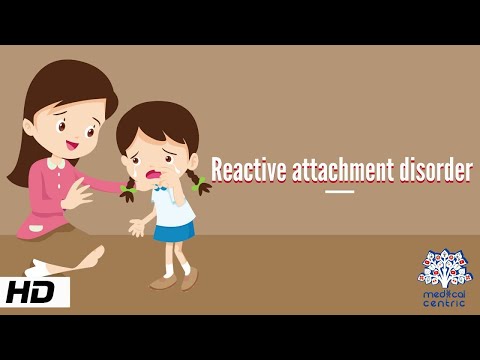
You ever feel like you just can’t connect with people? Like, no matter how hard you try, there’s this invisible wall between you and everyone else?
That’s kinda what relationship attachment disorder feels like. It’s not just a fancy term for being shy or distant; it goes deeper.
Imagine wanting to get close to someone but always holding back. Or maybe you cling on too tight and push them away without even realizing it. Crazy, right?
Becoming aware of these feelings is the first step. It’s part of navigating this tricky emotional landscape. Let’s talk about it—no judgment here, just some real talk about what’s going on in our hearts and minds.
Understanding and Overcoming Relationship Attachment Disorder in Adults: A Guide to Mental Health Recovery
Understanding Relationship Attachment Disorder can feel a bit like navigating a maze. It’s not uncommon for people to struggle with forming and maintaining healthy relationships due to their attachment styles. Basically, this disorder can lead you to either cling too tightly to others or push them away entirely. Both extremes can create a lot of confusion and heartache in your love life and friendships.
When we talk about attachment, we’re diving into how early relationships, usually with our caregivers, shape the way we connect with others as adults. If those early experiences were inconsistent or traumatic, you might end up developing some pretty complicated patterns. See, it’s like your emotional blueprint gets messed up a bit, making it hard to trust or feel secure in relationships.
So, what does this look like in real life? Well, let’s say you’re constantly worried that your partner is going to leave you. You might find yourself checking their phone or feeling anxious when they don’t text back right away. On the flip side, if you tend to avoid closeness altogether, you might find yourself feeling suffocated when someone tries to get too close.
- Anxious Attachment: If this is your style, you’re often worried about abandonment. You could be seeking constant reassurance from your partner.
- Avoidant Attachment: This one makes it tough for you to let people in. You might even value independence so much that you shut down emotionally when someone gets too close.
- Disorganized Attachment: This style is like a mix of the other two—maybe you crave connection but also fear it at the same time.
The thing is, recognizing these patterns is actually the first step toward change! It’s like turning on the lights in that maze. You can’t find your way out if you’re stumbling around in the dark. And what happens next? You might consider therapy as an option—a safe space where you can explore these feelings without judgment.
In therapy, especially approaches like Cognitive Behavioral Therapy (CBT), you’ll dig into those underlying beliefs and fears driving your attachment style. Or perhaps Attachment-Based Therapy, which focuses specifically on how your past influences present relationships will resonate more with you. Seriously—working through these issues can be eye-opening and incredibly freeing!
You’ve also got some practical strategies at your fingertips! Like practicing mindfulness techniques. These could help ground you when those anxious thoughts bubble up or when you’re tempted to pull away from others.
- Journaling: Write down your feelings and thoughts about relationships; this helps clarify patterns.
- Communication Skills: Learning how to express needs without fear can change everything!
- Sensitivity Training: Recognize signs of anxiety or avoidance within yourself and what triggers them.
This isn’t an overnight fix; recovery from Relationship Attachment Disorder takes time and patience. Building healthier connections won’t happen at lightning speed—it’s more of a gradual process where small changes lead to significant results over time.
If there’s something I wish everybody knew about overcoming attachment issues: it’s totally okay to ask for help! Nobody has all the answers on their own—even if it feels that way sometimes. Connecting with supportive friends or communities focused on mental health can offer strength on tough days.
You don’t have to navigate those bumpy relationship paths alone; understanding yourself better and managing these symptoms can lead toward happier connections in life! Remember: every little step counts on this journey towards mental health recovery!
Understanding Relationship Attachment Disorder: Insights from DSM-5 for Better Mental Health
Honestly, when it comes to understanding **Relationship Attachment Disorder**, things can get a bit tricky. This disorder isn’t super common, but it can seriously affect how you connect with others. You know that feeling when someone just can’t quite let go or is always worried about being abandoned? Yeah, that’s part of it.
First off, let’s clarify what’s going on here. The **DSM-5**, which is like the mental health “bible,” doesn’t actually have a specific category under “Relationship Attachment Disorder.” Instead, it talks about several attachment-related issues that might lead to relationship troubles. These fall under broader categories like **anxiety and mood disorders**.
When we talk about attachment styles, we’re usually referring to how people bond with others based on their early experiences. Here’s where things can get real:
- Secure Attachment: These folks are pretty chill in relationships. They trust easily and feel comfortable being intimate.
- Avoidant Attachment: People with this style tend to keep their distance. They might seem emotionally unavailable or not fully engage.
- Ambivalent Attachment: This style is a mixed bag—people cling tightly to partners but often feel anxious about them leaving.
Now, think about someone who has an avoidant style. Imagine a friend who always says they want companionship but then bails at the last minute or keeps conversations superficial. They might have learned somewhere along the line that getting too close isn’t safe.
You can see how this might lead to problems in relationships! For instance, if you’re hanging out with someone who constantly fears abandonment (that’s the ambivalent type), any little sign of distance from you could send them into a spiral of anxiety and mistrust.
So, how does this play out in therapy? Well, therapists often use **attachment theory** as a lens through which they help clients understand their patterns and behaviors in relationships. Because recognizing those patterns is so important! If you can see why you’re acting a certain way—like pushing partners away when you really want to be close—it opens up a whole new path for change.
But here’s where it gets personal: I remember chatting with someone who struggled with relationship issues because of an avoidant attachment style. They would date great people but never felt comfortable letting down their guard. Each time they got close to someone, they’d pull back hard out of fear that something bad would happen. It was painful for them—like being stuck between wanting love and fearing it at the same time.
So yeah, if you feel like your relationships are stuck in a loop because of these attachment styles, you’re definitely not alone! Understanding these concepts can be super empowering and maybe even help spark change in your own life or the lives of those around you.
In short: by breaking down these barriers through awareness and professional support when needed, you have a better chance at building healthier relationships moving forward!
Overcoming Attachment Issues in Relationships: Practical Strategies for Emotional Healing
When it comes to relationships, attachment issues can really put a dent in your emotional well-being. It’s like carrying around a heavy backpack filled with all sorts of unresolved feelings. But don’t worry, you’re not alone in this. A lot of folks deal with these challenges. And the good news is there are ways to work through them.
First off, it’s important to understand what attachment issues are all about. Basically, they stem from how we bonded with people as kids—primarily our parents or caregivers. If those early connections were inconsistent or unstable, you might find yourself either clinging too tightly to others or pushing them away entirely. This can turn into what professionals call “Attachment Disorders.” It’s no fun, but recognizing it is the first step toward healing, you know?
Self-awareness is key here. Take some time to reflect on your patterns in relationships. Are you constantly worried about being abandoned? Do you keep people at arm’s length? Journaling can be a great way to get in touch with these feelings. Write down your thoughts and experiences; it’ll help clarify what exactly you’re dealing with.
Another important thing is communication. Seriously, talk about how you’re feeling! It may feel awkward at first but letting your partner know where you’re coming from can really strengthen your bond. For example, if you’re feeling anxious when they don’t respond to texts right away, share that with them! You’ll find that open lines of communication can help ease those worries.
Setting healthy boundaries is also super crucial in nurturing closer relationships. It might sound like a bummer to think about limits when all you want is connection, but healthy boundaries create safe spaces where both partners can thrive without overstepping each other’s comfort zones.
You could also consider therapy. Now I know that therapy has its own stigma for some folks—like “I’m not crazy” or “I don’t need help.” But honestly? It’s just a space where you get to unpack all this baggage without judgment and learn some coping strategies along the way.
You might even explore mindfulness techniques or meditation as another way to cope with overwhelming feelings related to attachment issues. Like—just picture yourself taking deep breaths whenever anxiety bubbles up instead of spiraling into fear or doubt.
And remember: patience is essential during this process! Healing isn’t always linear; there will be ups and downs on your journey through emotional healing. Celebrate small wins and be kind to yourself when things feel tough.
Finally, surround yourself with supportive people who understand what you’re going through. Friends who have similar experiences can make the world of difference since they get it on another level.
In short? You’ve got options for overcoming attachment issues in relationships! With self-reflection, good communication practices, and maybe a sprinkle of professional support here and there—you can work toward healthier emotional bonds and ultimately improve your relationship satisfaction.
You know, relationships can be pretty complicated. It’s like you think you understand people, but then you hit these bumps in the road that can really throw you off. One thing that often comes up is something called Relationship Attachment Disorder. And honestly, that title might sound all clinical and stuff, but it really gets to the heart of some tough emotional territory.
Imagine a friend of yours who’s always really guarded. They seem to push people away when things start getting serious. You might wonder why they do that—maybe it seems like they’re just being difficult or cold. But there’s usually a lot more going on under the surface, ya know? Many times, it’s not about being unlovable or not wanting to connect; it’s about fear and past hurts.
When I was in college, I had a roommate who struggled with this sort of thing. She had a tough upbringing, and it showed in how she handled friendships and relationships. Whenever someone got too close emotionally, she’d find ways to sabotage what could’ve been something beautiful. It was heartbreaking to watch her turn away from people who genuinely cared about her.
So, relationship attachment issues often stem from early experiences—maybe neglect or trauma—that shape how we connect with others later on. For some folks, they develop an anxious attachment style; they crave connection but constantly fear being abandoned or rejected. Others might lean toward avoidant attachment; they keep their distance because getting too close feels risky.
Dealing with these attachment issues isn’t easy for anyone involved. Sometimes people don’t even realize they have these patterns until they’re in the thick of it, facing the aftermath of conflict or heartbreak. Therapy can really help here; it acts kinda like a flashlight in a dark room, showing where those emotional wounds came from and providing tools to build healthier connections.
Still, navigating this isn’t just about fixing someone else’s issues—it’s also crucial for you as a friend or partner to establish your own boundaries and know when enough is enough. It’s totally okay to support someone while also taking care of your own mental health; finding that balance is key.
In the end, understanding Relationship Attachment Disorder doesn’t magically make everything better overnight, but it opens the door for empathy and healing—for both yourself and others involved in your life journey. And hey, when we start peeling back those layers together? That’s when real connections begin to flourish!