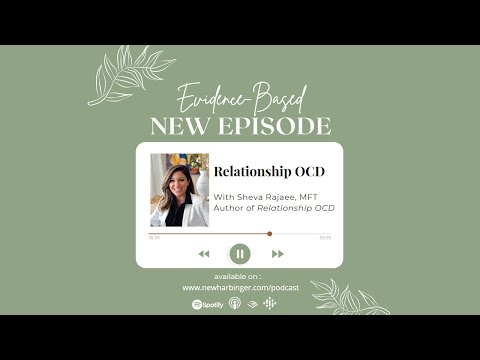
You know, relationships can be, like, super complicated. And when you throw in something like Relationship OCD? Yikes! It’s a whole new level of tangled emotions.
Take Sheva, for example. She’s been feeling this constant anxiety about her relationship. Second-guessing every little thing and worrying if her partner truly loves her. It’s exhausting!
But here’s the thing: She’s not alone. Lots of folks are out there dealing with similar feelings. Seriously, it can feel isolating, but there’s hope and help.
In this chat, we’re gonna break down what Relationship OCD really is, how it shows up in real life, and ways to find support. So stick around!
Understanding Relationship OCD: Insights and Support Resources for Sheva PDF
Understanding Relationship OCD, or ROCD for short, is super important for those struggling with intrusive thoughts about their romantic relationships. Basically, ROCD is where you find yourself constantly doubting your feelings for your partner or worrying if they’re the right one for you. It’s like having this unshakeable voice in your head that picks apart every little thing, even when things are going well.
For a lot of folks, ROCD can feel overwhelming. Imagine this: you’re out on a lovely date. Instead of enjoying the moment, you’re spiraling through thoughts like “Am I really in love?” or “Do I even like my partner?” This kind of anxiety can make you feel stuck. You might find yourself obsessively analyzing your relationship, looking for signs that something might be wrong.
There are a few key features to ROCD that can help explain what’s going on:
- Intrusive Thoughts: These are unwanted thoughts that pop up unexpectedly and cause distress. You might worry about whether you’re truly happy with your partner.
- Compulsive Behaviors: To cope with these thoughts, you may engage in certain behaviors—like constantly seeking reassurance from friends or checking in with your partner regarding their feelings.
- Doubts and Uncertainty: Many people with ROCD struggle to figure out if what they’re feeling is genuine love or just infatuation. This leads to constant second-guessing.
- Fear of Making the Wrong Choice: There’s often an intense fear of choosing the wrong partner or ending up in a bad relationship.
So where can you turn for help when dealing with ROCD? Well, support resources are more available than ever. Here’s what might be useful:
- Therapy: Cognitive Behavioral Therapy (CBT) is particularly effective. It helps you challenge those negative thought patterns and develop healthier coping mechanisms.
- Support Groups: Finding others who struggle with similar issues can make a world of difference. Sharing experiences can lessen feelings of isolation.
- Online Resources: Websites dedicated to OCD offer valuable information and strategies. Some even have forums where you can connect with others.
It’s also crucial to remember that **you’re not alone** in this journey! Many people experience similar feelings; it’s just that not everyone knows how to label them as OCD-related. Reaching out for help or talking about your experiences openly can be incredibly liberating.
In summary, understanding ROCD means recognizing those intrusive thoughts and doubts while finding ways to manage them effectively. Whether through therapy, support groups, or online resources, there’s a community ready to back you up as you work through these challenges together. It’s all about taking those small steps toward clarity and peace within yourself!
Understanding Relationship OCD: Insights and Support for Sheva-Free Living
Relationship OCD, or ROCD for short, is a unique form of obsessive-compulsive disorder that focuses on romantic relationships. Imagine feeling an overwhelming need to analyze every little thing about your partner or your feelings towards them. Like, are you really in love? Is this the right person for you? It can be intense and exhausting.
The obsessions in ROCD usually revolve around doubts about the relationship itself, while compulsions involve constantly seeking reassurance, checking your feelings, or even comparing your partner to others. It’s like being stuck on a never-ending mental merry-go-round. Seriously, it can feel like you’re trapped in a maze of confusion.
You might find yourself obsessing over thoughts such as:
- “Am I truly in love?”
- “What if I’m not attracted enough?”
- “Could I be happier with someone else?”
This constant questioning can take a toll on your mental health and relationship dynamics. You might start to doubt your partner’s qualities or worry if they love you back with the same intensity. It’s like watching a movie where you’re never satisfied with the ending.
I remember a friend who dealt with this kind of anxiety. Every time she felt happy with her boyfriend, her mind would spiral into questions—was he attractive enough? Did they have enough in common? She spent countless nights laying awake just torturing herself over these thoughts, even when everything seemed fine on the surface.
If this sounds familiar, it’s crucial to know you’re not alone and there’s help available! Cognitive Behavioral Therapy (CBT) is often suggested for ROCD. The way it works is simple yet powerful: you learn to understand those pesky intrusive thoughts and develop healthier responses instead of giving in to compulsions.
You could also benefit from support groups or therapy sessions where you share experiences with others who truly get it. That sense of community can help lighten the load—seriously! Having someone say “I’ve been there too” makes a big difference.
Another piece of advice? Try practicing mindfulness techniques. These methods can help bring yourself back into the present moment when those intrusive thoughts pop up like uninvited guests at a party. Focusing on what’s happening right now can ease that overwhelming urge to analyze everything.
Dealing with ROCD isn’t easy, but living each day free from the shackles of constant doubt is possible. Take one step at a time—reach out for support, challenge those thoughts, and remember that it’s okay to not have all the answers immediately! You deserve peace and clarity in your relationships.
Your journey towards understanding and managing Relationship OCD starts when you’re ready to take action. Stay strong—you’ve got this!
Understanding Relationship OCD: Insights from Sheva Rajaee – Downloadable PDF Guide
Relationship OCD, or ROCD for short, can be a tough one to navigate. It’s like having a constant inner critic that just won’t give you a break. You know how some people get obsessive thoughts about their partner or relationship? That’s basically what ROCD is all about. It’s this overwhelming anxiety that makes you question everything about your relationship, from your partner’s love for you to whether you truly love them back.
Sheva Rajaee has put together insights that really help shine light on this condition. It’s like getting a friend to walk you through the maze of feelings and concerns. Here are some key points she highlights:
- Obsessive Thoughts: These are repetitive and distressing thoughts that can lead to doubt and insecurity in your relationship.
- Compulsive Behaviors: To cope with those nagging doubts, someone might seek reassurance constantly or compare their relationship to others.
- Fear of Making the Wrong Choice: There’s this intense fear that if you don’t pick the «right» partner or make the «right» decisions, you’ll end up unhappy.
- Impact on Daily Life: ROCD can affect how you function day-to-day. It affects not just romantic relationships but friendships and family dynamics too.
- Therapeutic Approaches: Rajaee emphasizes exposure therapy and cognitive-behavioral techniques as effective ways to help manage these intrusive thoughts.
You might wonder why it gets so complicated. Take, for example, someone who loves their partner deeply but keeps questioning if they feel “the right way.” They could spend hours analyzing every interaction: Did my partner smile at me genuinely? Was there hesitation in their voice when they said they loved me? It’s exhausting and can lead to feeling distant from your partner instead of close.
Rajaee also points out the importance of understanding emotional triggers. For instance, maybe you’re scrolling through social media and see a couple who seems incredibly in love. You might start doubting your own relationship because it doesn’t look like that—totally normal human reaction, but ROCD twists it into something worse.
So what does support look like? Building a strong support system is vital. Friends who get it—those who understand mental health struggles—can provide comfort when you’re stuck in your head questioning everything. If therapy feels right for you, finding someone who specializes in OCD or anxiety disorders can make a world of difference.
Don’t forget: You’re not alone in feeling this way! Many individuals face similar battles with ROCD. It’s all about learning how to address these pesky thoughts without letting them control your life or relationships.
In summary, understanding Relationship OCD isn’t just about knowing what it is; it’s also about finding ways to cope with those wild thoughts and feelings that come up unexpectedly. You’ve got options out there—like Rajaee’s insights—to help guide you on this journey!
Navigating Relationship OCD can feel like you’re stuck in a loop, you know? Sheva’s situation is all too relatable. Imagine always second-guessing your feelings for someone special. It’s like being on a roller coaster that just won’t stop. One moment, everything feels perfect, and the next, you’re drowning in doubts.
You know how sometimes you’ll catch yourself overthinking? Well, for Sheva and others dealing with Relationship OCD, it’s not just casual overthinking. It’s more like a tornado of worries swirling around your head. “Do I really love them?” “What if I’m not as attracted to them as I thought?” It can get exhausting.
A while back, I talked with a friend who went through something similar. She was dating this awesome guy—funny, kind, totally her type—yet she spent countless nights lying awake wondering if she was truly in love or just going through the motions. Can you imagine? The lack of peace was so suffocating for her that she almost broke it off out of sheer frustration.
It took her some time to realize that these constant doubts didn’t mean she wasn’t capable of love; they were part of the struggle with her mind playing tricks on her. Therapy turned out to be a game-changer for her. Talking things through helped clarify those swirling thoughts and grounded her sense of reality.
For anyone like Sheva dealing with this form of OCD, seeking support is super important. That could mean talking to a therapist who understands the ins and outs of these obsessive thoughts or finding support groups where experiences can be shared without judgment.
Sometimes it helps to remind yourself that it’s okay to have questions and uncertainties about relationships; it’s part of being human! Reaching out for help can really make those ups and downs feel more manageable. Just knowing you’re not alone in this chaotic ride can truly lighten the load. Remember, even when it feels overwhelming, there are people out there ready to lend an ear or share their own journeys through the messy world of love and doubt.